8 Silk Screen Glass Products Suited to San Francisco Product Programs
San Francisco buyers rarely source glass as a commodity. A cover glass may carry an optical window, a printed icon field, a transparent touch area, a drilled sensor hole, an anti-glare surface and an anti-fingerprint top layer — all within one component. The products below reflect the custom capabilities most often requested by display, lighting, appliance, instrument and smart-control teams in the Bay Area.
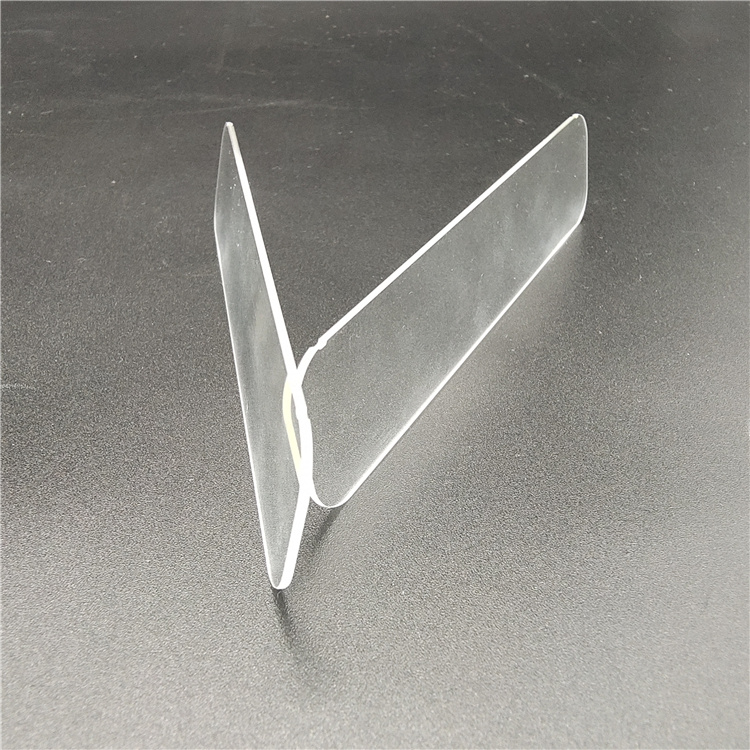
Custom Extra White 0.5mm 1mm 1.5mm 2mm Low Iron Tempered Glass Chemical Strengthened
Low-iron glass for optical windows, sensor lenses and high-brightness displays where green tint and haze are unacceptable.
View product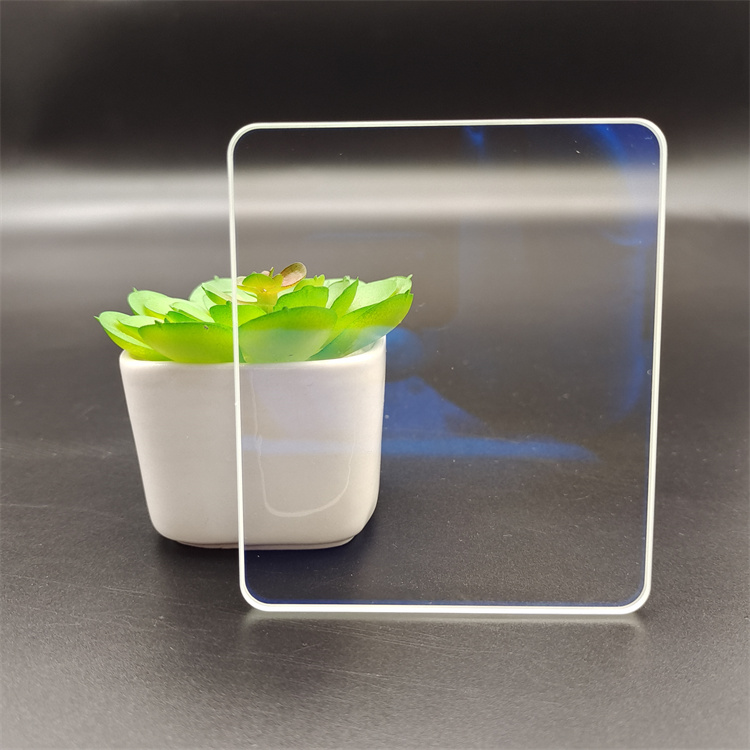
Both Sides Anti Reflective AR Coating 1mm 2mm 3mm 4mm Ultra Clear Tempered Glass
Double-sided AR coating improves contrast, light transmission and readability for medical monitors, camera windows and bright industrial HMIs.
View product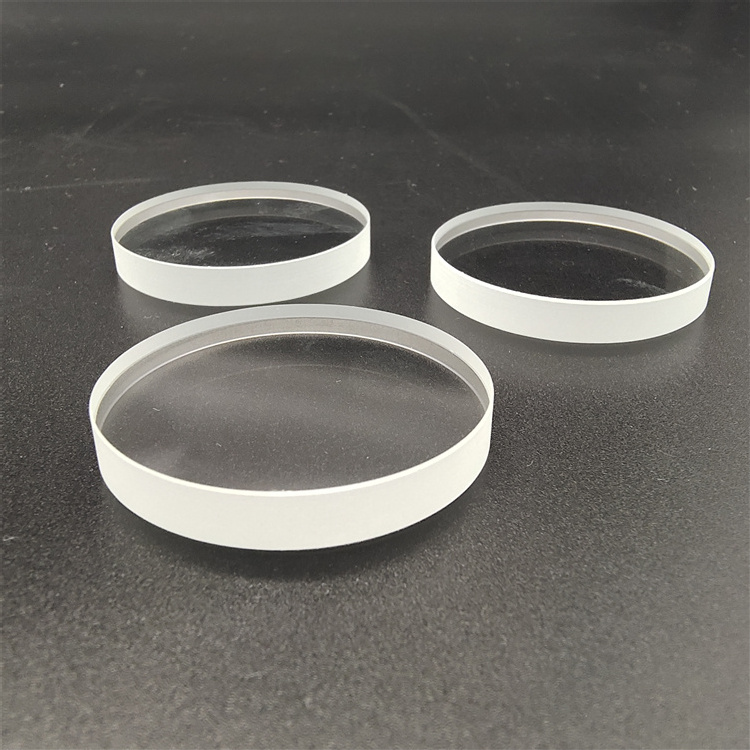
Full Tempered 30mm Diameter 3mm 4mm 5mm 6mm 8mm Thickness Ultra Clear Round Tempered Glass
Precision round glass for LED optics, sensor covers and circular control elements, with edge and tolerance options specified to drawing.
View product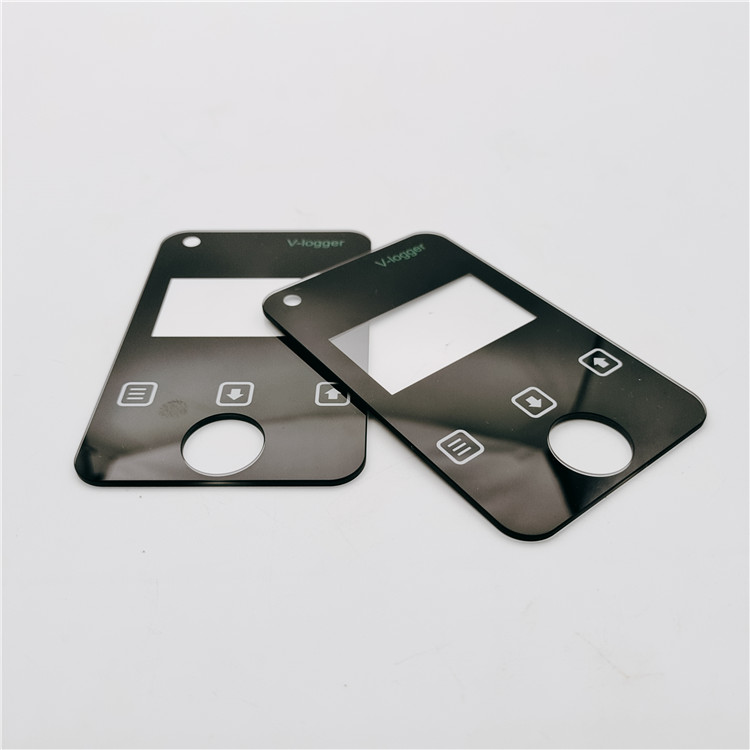
Customized Cut 1mm 2mm 3mm 4mm Instrument Printed Tempered Glass With Holes
Printed instrument windows with CNC holes for buttons, sensors and fasteners; color matching and transparent display windows available.
View product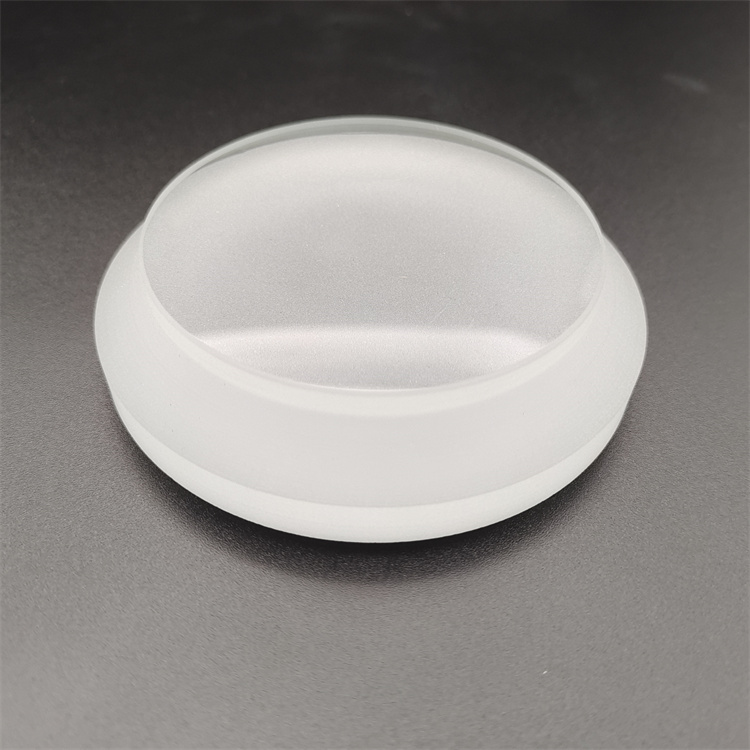
Customized Industrial Lighting Solid Flat Ultra Clear Frosted Tempered Glass with Beveled Step Edge
Frosted and beveled lighting glass for architectural luminaires, commercial fixtures and high-end LED systems.
View product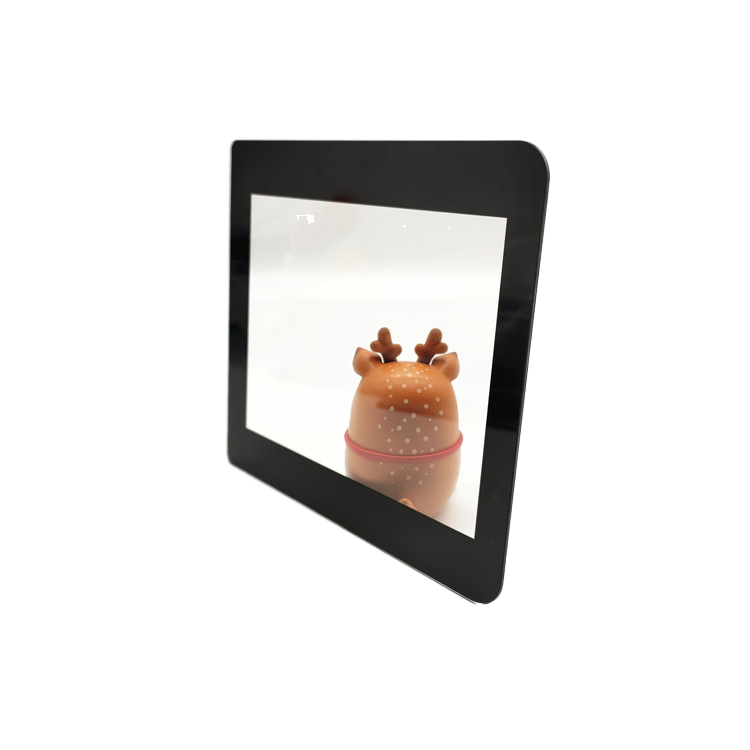
Industrial Use Electronic Glass 1mm/2mm/3mm/4mm Tempered Glass Display Screen Window Protection Cover
Durable protective covers for industrial HMI, kiosk, equipment and outdoor display windows with optional optical treatments.
View product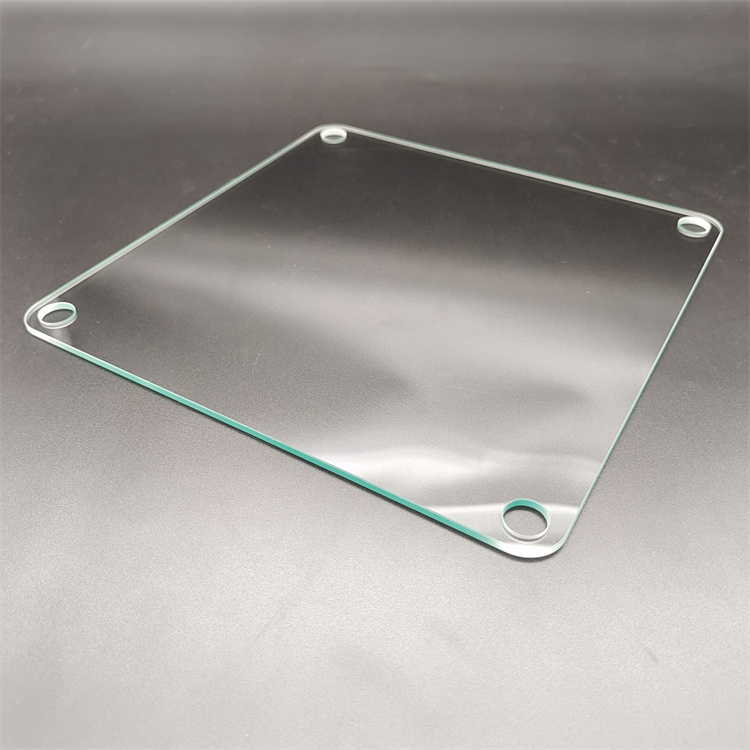
Factory Sale Customized Shape Decorative Glass Cover Hole Drilling Glass Panel Soda-lime Tempered Glass Sheet With Holes
Custom-shaped decorative and functional panels with drilled holes for switches, sensors and mounting hardware.
View product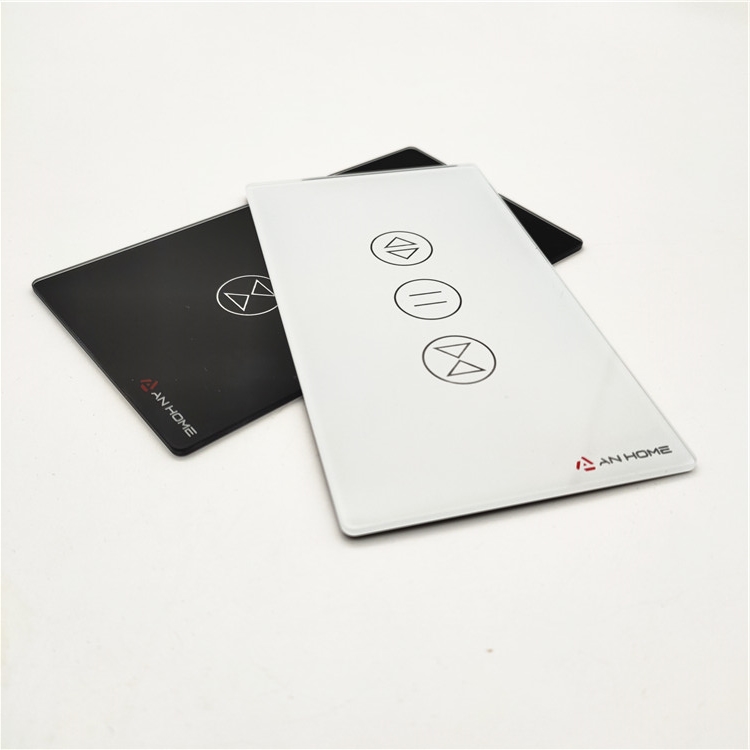
Home Smart WiFi Remote Control Touch Tempered Glass Screen-Printed Glass Switch Glass Panels Curtain Control Glass
Screen-printed switch glass for smart-home touch controls, curtain panels and WiFi-enabled wall switches.
View productVerified Production and Export Signals for U.S. Buyers
San Francisco sourcing teams need more than a product photo. They need evidence of repeatable processing, communication speed and production capacity. The figures below are drawn from the supplier profile data referenced in the original company information.
What Defines a High-Performance Silk Screen Glass Component?
In Bay Area product programs, printed glass is usually an interface, not a decorative afterthought. It must survive handling, cleaning, touch use, optical inspection and installation — while keeping artwork, windows, holes and coatings aligned.
Substrate Clarity
Low-iron glass removes the green edge tone of standard float glass, which matters for white appliance panels, high-brightness displays and premium lighting.
Ink and Print System
Silk screen and ceramic printing can create logos, icon fields, hidden-wiring masks and transparent windows. Color matching and ink durability should be reviewed with the drawing.
Strengthening Route
Thermal tempering and chemical strengthening are selected by thickness, edge geometry, hole placement and the mechanical risk profile of the final assembly.
Surface Treatments
AR reduces reflection, AG diffuses glare and AF resists fingerprints. Combinations should be specified as a stack, because the final optical result depends on substrate, thickness and coating order.
The most reliable specification is a drawing-plus-application brief, not a thickness alone. For San Francisco teams, that brief should include viewing distance, indoor or outdoor use, touch frequency, cleaning method, expected annual quantity, target installation method and whether the glass will be assembled into a sealed module or exposed to coastal air and changing light conditions. A manufacturer who asks these questions early is usually better prepared to protect the artwork and process route later.
Local Applications Across San Francisco and the Bay Area
From South San Francisco life-science instruments to Mission District commercial retrofits and Bay Area hardware startups, printed glass often sits between the user and the technology. These are the applications where the specification details matter most.

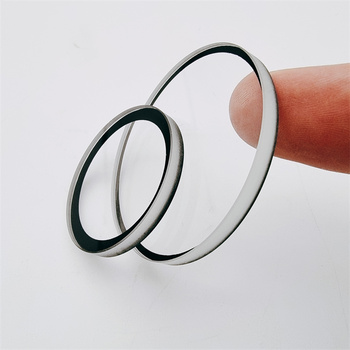
Touch & Display Electronics
Cover glass for capacitive touch modules, LCD windows and control interfaces. AR and AF coatings help improve readability and touch feel in bright offices and showrooms.
Commercial and Architectural Lighting
Frosted, beveled and printed glass for LED fixtures, wall washers and high-end luminaires used in hospitality, retail and office renovation projects.
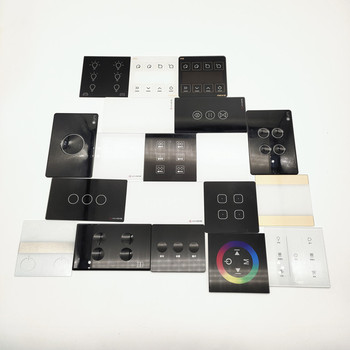
Smart Buildings & Switches
Screen-printed wall switch glass for WiFi curtain control, lighting scenes and access interfaces in multi-tenant residential and commercial buildings.
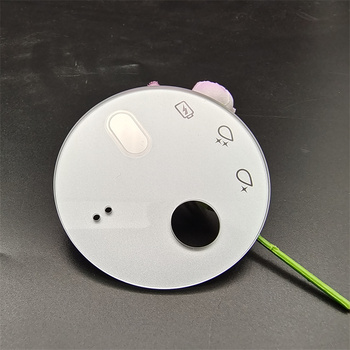
Home Appliances
Printed control panels for kitchen, laundry and household devices, with transparent windows, icon fields and heat-resistant ceramic inks where required.

Medical & Industrial Instruments
Display windows and HMI covers for laboratory, life-science and electrical equipment. AR glass and clean-edge processing support optical clarity and inspection.
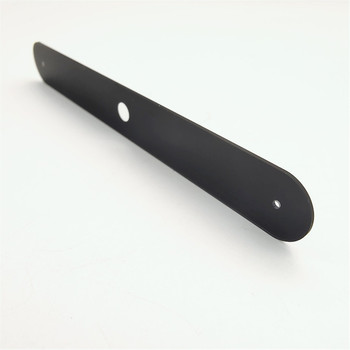
Kiosks, Cameras & Outdoor Devices
Protective cover glass with precision cut-outs for Bay Area EV charging, parking access, security cameras and outdoor digital signage.
Local Procurement Trends That Reward the Right Glass Partner
Search intent in the Bay Area is shifting from broad “glass manufacturer” queries to specific application language: printed touch glass, AR display windows, anti-glare kiosk covers, smart switch panels and chemically strengthened low-iron glass. That shift rewards suppliers who can discuss the application, not just quote a sheet size.
High-Mix, Low-Volume Customization
Hardware startups and specialist OEMs need different outlines, print colors, windows and coatings before volumes grow. Clear sampling rules and engineering review shorten the path from prototype to production.
Glare and Fingerprint Control
Outdoor kiosks, EV chargers and bright lobby interfaces make AG and AF treatments part of the user experience. Buyers increasingly compare surface stacks rather than simple glass thickness.
Traceability and Supply Resilience
Export buyers want predictable packaging, inspection records and a process route that stays under one roof. In-house cutting, polishing, drilling, tempering, printing and coating reduce hand-off risk.
AR vs AG vs AF vs Ultra Clear: A Practical Buyer Matrix
This matrix reflects the selection logic used in early engineering review. Treatments can be combined — for example, AG plus AF for outdoor touch kiosks, or AR plus AF for medical display windows.
| Glass Type | What It Solves | Typical Applications | Engineering Tip |
|---|---|---|---|
| Ultra Clear Low-Iron | Removes green tint for truer color and brighter optical windows | Display covers, LED lamps, premium appliance panels | Pair with white or light printing to avoid a greenish edge tone |
| AR Anti-Reflective | Cuts surface reflection and boosts contrast and transmittance | Medical monitors, camera windows, industrial HMIs | Specify single- or double-sided coating; double-sided gives the largest gain |
| AG Anti-Glare | Diffuses glare from sunlight, overhead lighting and outdoor environments | Outdoor kiosks, EV chargers, signage, vehicle HMIs | Choose haze level by viewing distance — finer haze suits high-resolution screens |
| AF Anti-Fingerprint | Repels oil and sweat to keep touch surfaces cleaner | Capacitive touch panels, smart switches, POS terminals | Apply as the final layer over AR or AG for touch products |
| Silk Screen Printed Tempered | Hides wiring, adds logos, icons and transparent display windows | Switch plates, appliance controls, instrument panels | Send Pantone codes, ink coverage and window dimensions with the drawing |
Final optical values depend on glass thickness, substrate and coating stack. Sample testing is recommended before mass production.



Inside the Manufacturer: Jaswe Glass as a San Francisco Export Partner
Dongguan Jaswe Glass Co., Ltd. processes custom tempered glass, ultra clear glass, silk screen printed glass, switch glass, AR / AG / AF coated glass, LED lighting glass and electrical equipment glass from Dongguan, China. For San Francisco buyers, the practical advantage is not simply a low unit price; it is the ability to keep cutting, CNC shaping, edge polishing, hole drilling, tempering, printing and coating aligned under one quality system.
With more than 80 skilled workers and 26 glass processing machines, the company reports monthly output above 200,000 pieces. That capacity supports both sample-stage customization and repeat production for display, lighting, appliance and instrument programs. Average response time is reported at under 3 hours, with a 96.61% response rate and a 26% buyer reorder rate — useful signals for overseas buyers who need clear communication during specification changes.
“Scientific management, careful manufacture, high quality service, striving for excellence.”
San Francisco teams often need concise answers on thickness, edge type, print colors, coating stacks, hole placement and packaging. Jaswe’s engineering review step is designed to test manufacturability before samples are made, so the conversation stays focused on the application rather than repeated drawing corrections.
- Location
- Dongguan, Guangdong, China
- Employees
- 51–100 people
- Main Markets
- America · Europe · Asia
- Equipment
- 26 machines incl. tempering furnace
- Capacity
- 200,000+ pieces per month
- Supplier Status
- On-site verified · 6 years
From San Francisco Drawing to Export Packing: Five Clear Steps
A transparent workflow helps U.S. buyers compare quotations on the same basis. The process below reflects the company’s in-house capability and export-focused service model.
Send Requirements
Drawing, thickness, edge, printing, coating, application and annual volume.
Engineering Review
Manufacturability check and process route discussion before sampling.
Sampling
Physical samples for fit, color, optical appearance and touch feel approval.
Mass Production
Batch production with inspection at cutting, edging, tempering, printing and coating stages.
Packing & Shipping
Interleaved, edge-protected export packing for the Dongguan-to-San Francisco route.
San Francisco Buyer FAQ: Silk Screen Glass Sourcing, Sampling and Shipping
These are the questions most often raised by U.S. buyers evaluating a custom glass manufacturer for the first time. Clear answers help reduce quotation cycles and avoid mismatched expectations.
What glass thickness can be processed for silk screen glass projects?
What is the minimum order quantity for custom printed glass?
Can you match Pantone colors and transparent display windows?
What is the difference between AR, AG and AF glass?
How do you protect glass during export from Dongguan to San Francisco?
How do I start a custom glass project from San Francisco?
Which processes are completed in-house?
Request Your Custom Glass Catalog and Engineering Review
Have a drawing or application brief ready? Share your thickness, edge, printing, coating and quantity requirements. A clear specification package is the fastest path to a manufacturable sample and a reliable San Francisco supply plan.
Recommended starting information: DXF, DWG or PDF drawing · application · annual quantity · target sample date · shipping destination · any optical or touch requirements.