8 Soda Lime Glass Products Recommended for Bien Hoa Production
The eight products below match common drawings received from electronics, appliance, lighting and industrial-control factories in Bien Hoa. Each card preserves the original product URL so your team can verify dimensions, treatments and customization options. Where the application permits, these items can be produced on soda-lime glass substrates; the engineering team confirms substrate suitability before sampling.
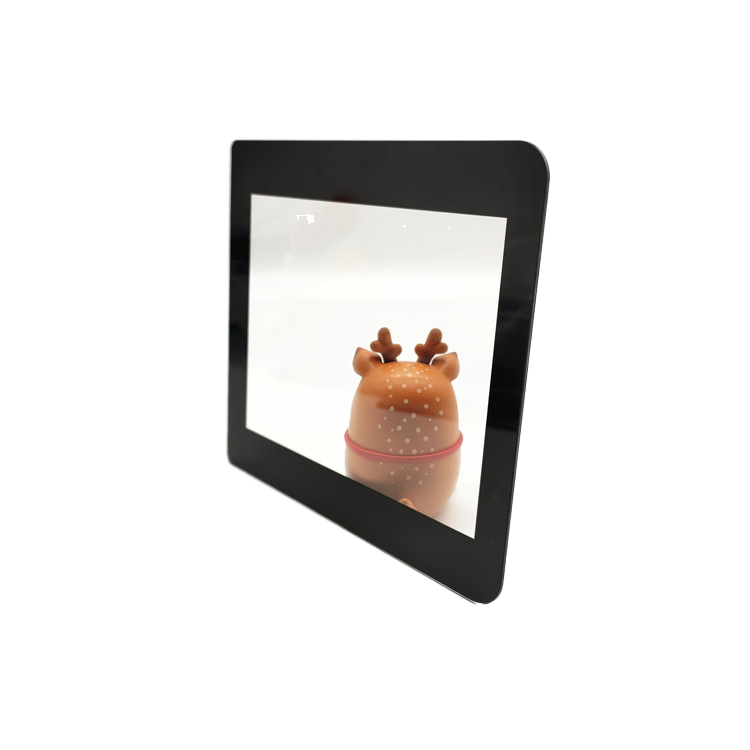
Industrial Use Electronic Glass 1mm/2mm/3mm/4mm Tempered Glass Display Screen Window Protection Cover
For HMI windows, display bezels and industrial control covers in Bien Hoa assembly.
View specification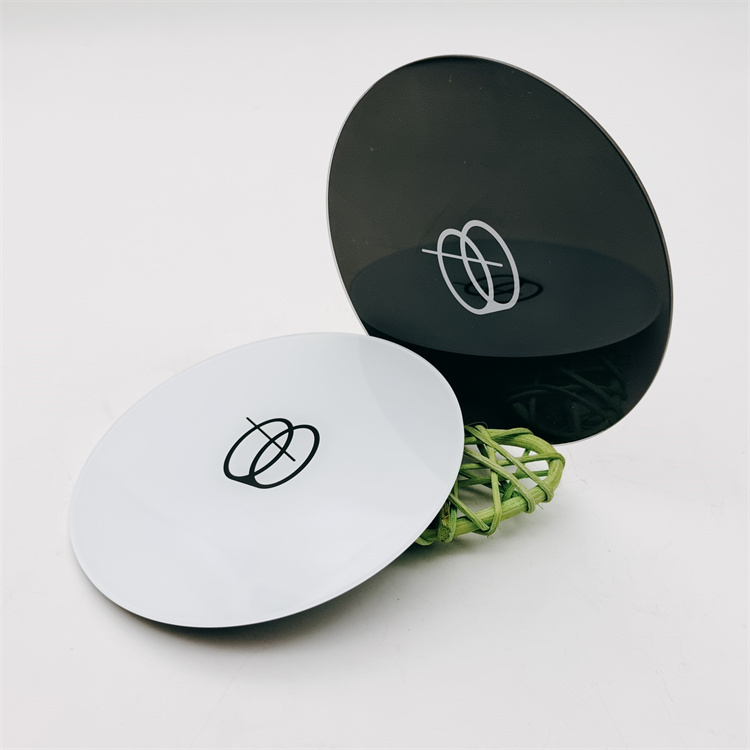
Black White Silk Screen Printing Toughened Glass Round Tempered Glass for Electric Appliance
Printed soda-lime glass for appliance panels, button windows and decorative control surfaces.
View specification
Both Sides Anti Reflective AR Coating 1mm 2mm 3mm 4mm Ultra Clear Tempered Glass
AR-coated cover glass for high-contrast monitors, medical displays and optical windows.
View specification
Custom Extra White 0.5mm 1mm 1.5mm 2mm Low Iron Tempered Glass Chemical Strengthened
Ultra-clear, chemically strengthened thin glass for touch modules and premium appliance panels.
View specification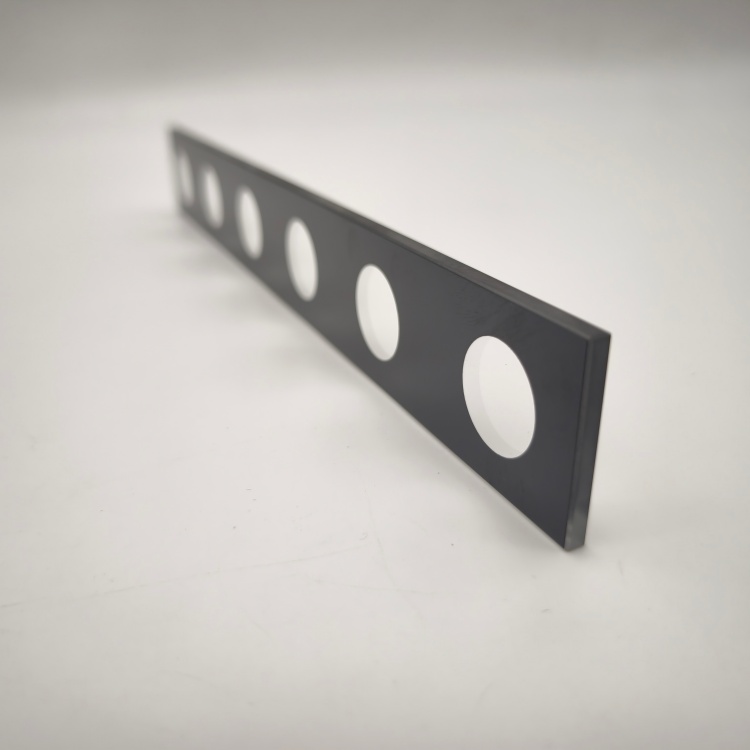
Black Printed Polished Smooth Matte Edge Linear Tempered Glass for LED Wall Washer Light
Linear lighting covers with printed borders and controlled edge finish.
View specification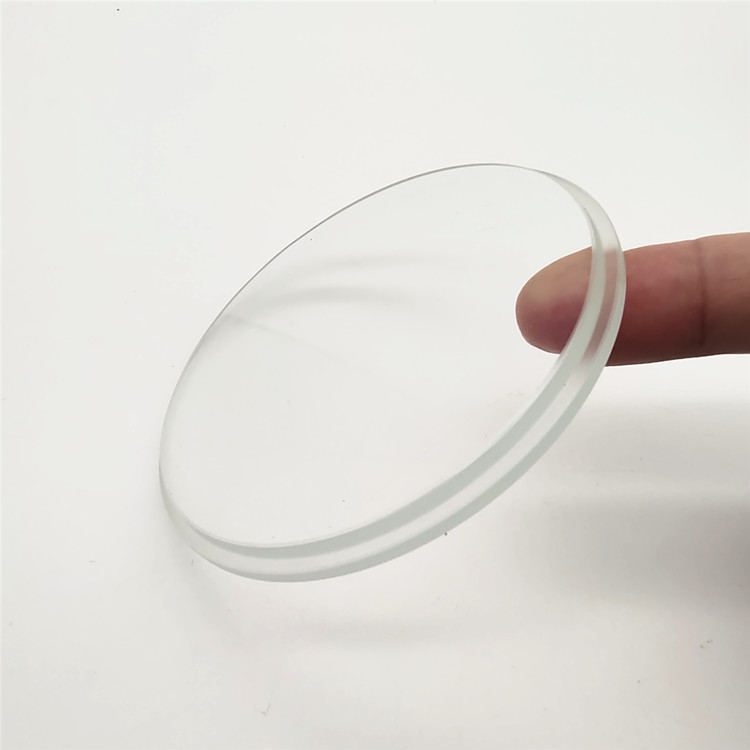
Factory Price 2mm 3mm 4mm 5mm 6mm 8mm 10mm Tempered Step Edge Glass
Step-edge tempered panels for fixtures, control boxes and equipment windows.
View specification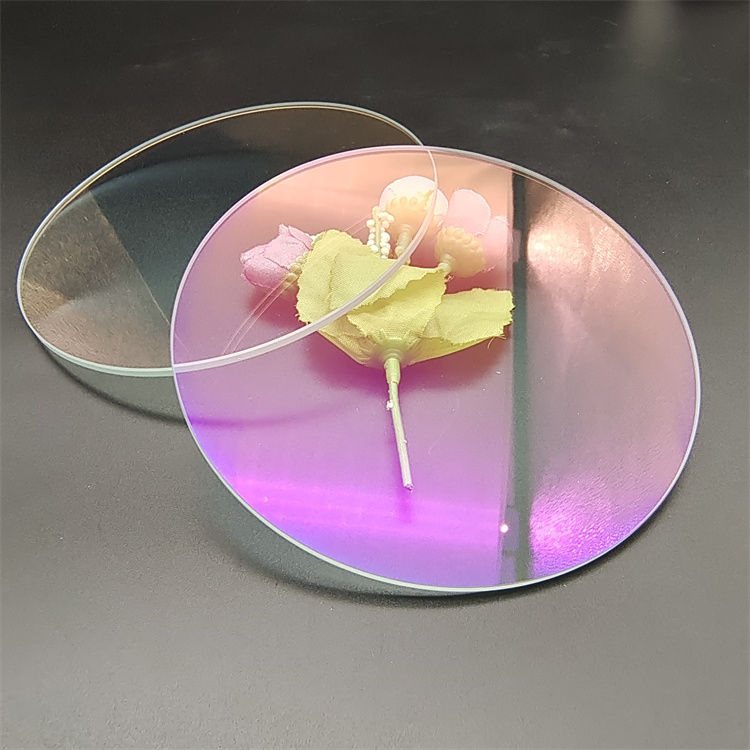
Premium Quality Ultra Clear Anti Reflective Solid High Strength 1mm 2mm 3mm 4mm 5mm 6mm Flat Tempered Glass Coating
High-strength flat cover glass with anti-reflective coating for demanding display windows.
View specification
Small Size Ultra Thin 0.5mm 0.7mm 1mm Tempered Glass Panel With Adhesive Tape for Screen Protection
Ultrathin adhesive-backed glass for compact displays and screen protection.
View specificationSoda Lime Glass in Bien Hoa: A Component, Not a Commodity
Bien Hoa is one of southern Vietnam's most practical places to source components for electronics, appliances, lighting and industrial equipment. The city sits inside the Dong Nai industrial corridor, close to Ho Chi Minh City and the Cat Lai and Cai Mep port system, with factory clusters in Bien Hoa Industrial Park, Amata, Bien Hoa 2, Long Binh, Long Thanh and Nhon Trach. For procurement teams in these clusters, searching for soda lime glass manufacturers and suppliers in Bien Hoa is rarely about buying a plain sheet of glass. The glass is a visible, touchable, printable and sometimes optical component that must survive assembly, cleaning, handling and end-user use.
Soda-lime glass is the workhorse substrate for most of these applications. Its composition — silica, sodium oxide and calcium oxide — gives a flat, clear, economical glass that is widely available in thicknesses from 0.2 mm to 19 mm. It accepts thermal tempering, chemical strengthening, CNC cutting, edge polishing, hole drilling, silk-screen printing, ceramic printing and optical coatings. That process flexibility is why soda-lime glass appears in display covers, appliance control panels, LED lighting covers, switch plates, instrument windows and equipment fascias. It is not the right choice for every extreme environment; high thermal shock, aggressive chemical contact or very high service temperature may call for borosilicate or fused silica. But for most indoor and outdoor electronic assemblies in Bien Hoa, soda-lime glass offers the best balance of cost, supply and manufacturability.
The most expensive soda-lime glass is the one that fails at assembly. A 0.2 mm edge chip, a 0.1 mm print shift, a coating haze or a warped panel can stop a production line. That is why experienced buyers specify more than thickness. They define visible area, outer profile, corner radius, hole diameter, edge finish, print colors, coating side, flatness, packing method and inspection criteria. In our engineering reviews, the fastest projects are the ones where the RFQ includes a DXF or DWG drawing plus the application, annual volume and a photo of the assembly. The drawing controls geometry; the application controls the process route.
Information gain for buyers: do not use AR, AG and AF as interchangeable "anti-glare" upgrades. AR (anti-reflective) coating reduces surface reflection and raises light transmission. AG (anti-glare) treatment diffuses reflected light so the display remains readable under strong ambient light. AF (anti-fingerprint) is an oleophobic top layer for touch surfaces. A medical monitor may benefit most from AR; an outdoor kiosk may need AG plus AF; a smart switch may need ultra-clear glass, printed icons and AF. The right stack depends on the light source, viewing distance and touch frequency.
Fast substrate check for Bien Hoa projects
- 0.5–1.1 mm: low-iron or ultra-clear glass, chemically strengthened for touch covers and compact displays.
- 1.1–4 mm: thermally tempered soda-lime glass for display windows, appliance panels and control fascias.
- 4–10 mm: LED fixture covers, step-edge panels and equipment windows; confirm edge and hole stress relief.
- 10–19 mm: heavier industrial windows; tempering and flatness must be validated before mass production.
Final substrate and strengthening route are confirmed after drawing review and sample testing.
Localized Soda Lime Glass Applications in Bien Hoa and Dong Nai
The same soda-lime substrate can be specified in very different ways. These six application scenarios reflect how factories in and around Bien Hoa typically use custom glass.
Display and touch modules
LCD, TFT and capacitive touch modules assembled in Bien Hoa's electronics parks need cover glass with clean edges, stable flatness and optional AR or AF treatment. The glass protects the display stack while preserving touch sensitivity and optical clarity.
Home appliance control panels
Printed tempered glass is used on cooker hoods, washing machines, refrigerators and small appliances. Silk-screen or ceramic printing can hide circuitry, create icon windows and match appliance color schemes.
LED lighting fixtures
Round, square and linear soda-lime covers are used in downlights, panel lights and wall washers. Black printed borders, matte edges and high light transmission are common requirements.
Industrial HMI and electrical equipment
Instrument windows, meter covers and control panels need impact resistance and print alignment. Step-edge glass and drilled holes are often required for mounting, sensors and buttons.
Smart switches and building control
Touch switch panels benefit from ultra-clear low-iron glass, precise icon printing and an AF coating that reduces fingerprints. Edge quality matters because the panel is visible and handled daily.
Security, camera and sensor covers
Small, thin chemically strengthened glass with precision cut-outs and AR coating can improve optical performance in camera and sensor assemblies. Flatness and coating uniformity are critical.
Soda Lime Glass Procurement Trends in Bien Hoa
Bien Hoa buyers are not only comparing price per piece. They are responding to product thinning, coating requirements and pressure to shorten assembly time. Four trends are shaping RFQs.
Thinner, chemically strengthened covers
Portable and compact devices are pushing cover glass toward 0.5–1.1 mm. At these thicknesses, chemical strengthening is often more suitable than thermal tempering. Buyers should specify surface quality and edge treatment because thin glass is less forgiving in handling.
Application-specific coatings
AR, AG and AF are moving from optional upgrades to application-specific requirements. Outdoor kiosks ask for AG+AF; high-contrast monitors ask for AR; touch panels ask for AF. Combined stacks require sample approval before mass production.
Printed glass that replaces assembly steps
Instead of separate labels, fascias and light masks, factories want printed glass that combines decoration, transparent windows and touch zones. This reduces parts count, but it raises the importance of artwork review and color control.
Supply chain resilience
Buyers in Dong Nai are balancing local stock with factory-direct imports. They want stable export packing, clear sample approval, documentation and repeatable quality across production lots. Small-batch flexibility is valuable during new product introduction or model changes.
How to Write a Soda Lime Glass RFQ for a Bien Hoa Production Line
A complete RFQ reduces back-and-forth and helps a supplier quote the correct process, not just the lowest glass price. Use this checklist.
| RFQ parameter | Recommended specification | Why it matters for Bien Hoa assembly |
|---|---|---|
| Substrate and thickness | Soda-lime float, 0.5 / 0.7 / 1.0 / 2.0 / 3.0 / 4.0 mm; specify low-iron if color is critical. | Thickness affects strength, weight, touch sensitivity, optical appearance and the strengthening route. |
| Strengthening | Thermal tempering for 2 mm and above; chemical strengthening for thin 0.5–1.1 mm covers. | Thin glass cannot be treated as a scaled-down version of thick tempered glass; handling and edge quality change. |
| Visible area and printing | Provide DXF, DWG or PDF with display window, icons, borders, corner radii and Pantone colors. | Print alignment and window size directly affect assembly fit, light leakage and final product appearance. |
| Edge and holes | Flat polished, pencil, step or matte edge; define hole diameter, chip tolerance and countersink requirements. | Edge chips and hole cracks are common causes of field failures and line stoppages. |
| Optical treatment | AR, AG, AF or a combination; state single- or double-sided coating and target transmittance. | Coating choice should follow the light environment and touch use, not a generic "anti-glare" label. |
| Tolerance and packing | Length, width, thickness, flatness, interleaving, edge protection and carton or crate requirements. | Export packing to Vietnam must protect printed and coated surfaces during sea or air freight. |
| Documentation | Drawing revision, material certificate if required, inspection report and sample approval record. | Clear documents shorten incoming inspection and make repeat orders easier to control. |
AR, AG, AF, or Clear? A Quick Decision Guide
Optical treatments are often confused in early sourcing discussions. The table below gives a practical starting point.
| Glass type | Problem it solves | Typical use in Bien Hoa | Specification tip |
|---|---|---|---|
| Ultra-clear low-iron | Reduces the green tint of standard float glass. | Premium appliance panels, LED covers, display windows. | Pair with white or light printing to avoid a green edge tone. |
| AR anti-reflective | Lowers surface reflection and raises light transmission. | Medical monitors, industrial displays, optical windows. | Double-sided coating usually gives the largest contrast gain. |
| AG anti-glare | Diffuses glare from sunlight or overhead lighting. | Outdoor kiosks, industrial HMIs, digital signage. | Choose haze level by viewing distance and screen resolution. |
| AF anti-fingerprint | Repels oil and sweat on touch surfaces. | Capacitive touch panels, smart switches, POS terminals. | Apply as the top layer over AR or AG for touch products. |
Why Jaswe Glass Is a Practical Soda Lime Glass Supplier for Bien Hoa Buyers
An overseas supplier should be evaluated on process control and communication, not only unit price. Dongguan Jaswe Glass Co., Ltd. is a glass processing company in Dongguan, China, serving custom tempered, ultra-clear, printed, AR, AG and AF coated glass applications.
The supplier profile lists 26 glass processing machines, 80+ skilled workers and monthly output above 200,000 pieces, with main markets in America, Europe and Asia. It also lists 51–100 employees, annual revenue of US$2.5M–US$5M and an on-site verified supplier status of six years.
Those facts matter to Bien Hoa buyers because they indicate whether a supplier can support both sampling and repeat production. A factory that controls cutting, CNC shaping, edge polishing, hole drilling, tempering, silk-screen and ceramic printing, AG processing and AR/AF coating under one roof can review the whole process route before making a sample. That reduces the risk of a drawing that looks feasible at the glass-cutting stage but fails at printing, coating or tempering.
Communication speed is another practical filter. The supplier profile reports an average response time of ≤3 hours, a 96.61% response rate and a 26% buyer reorder rate. For a buyer in Bien Hoa, these data points do not replace sample testing, but they help screen suppliers before sending a drawing.
Supplier snapshot
- LocationDongguan, Guangdong, China
- Employees51–100
- Annual revenueUS$2.5M–US$5M
- Main marketsAmerica · Europe · Asia
- Equipment26 machines incl. tempering furnace
- Supplier statusOn-site verified · 6 years
Engineering review before sampling
Share DXF, DWG or PDF drawings; the team checks thickness, edge, holes, printing, coating and assembly risk.
In-house process chain
Cutting, CNC shaping, polishing, drilling, tempering, silk-screen and ceramic printing, AG and AR/AF coating.
Production scale with custom MOQ
26 machines, 80+ workers and 200K+ pieces per month; many custom items start at 100–500 pieces.
Export-ready QC and packing
Stage inspection at cutting, edging, tempering, printing and coating, with interleaved and edge-protected packing.
From Drawing to Delivery: Four Steps
A clear process keeps sample approval, production and export packing predictable for buyers in Bien Hoa.
Send your RFQ
Include drawing, thickness, edge type, printing colors, coating requirement, application, annual volume and delivery destination.
Engineering review
The team checks manufacturability, substrate choice, strengthening route and print or coating sequence before quoting.
Sample approval
Physical samples are reviewed for fit, color, optical appearance and handling before mass production is released.
Production and export packing
In-process inspection, final check, protective packing and shipping coordination with the buyer's forwarder.
Soda Lime Glass FAQ for Bien Hoa Buyers
Practical answers for purchasing teams comparing local stock, distributors and factory-direct custom glass suppliers.
Do you supply soda lime glass to Bien Hoa and Dong Nai?
Should I buy from a Bien Hoa distributor or a factory-direct supplier?
What is the minimum order quantity for custom soda lime glass?
Which thickness should I choose for a display cover?
What is the difference between AR, AG and AF coating?
Can you print logos, Vietnamese text and transparent windows?
How is glass packed for export to Vietnam?
What files are needed for a quotation and sample?
Request the Soda Lime Glass Catalog for Your Bien Hoa Project
Compare thicknesses, coatings, printing options and process capabilities in one document. Share a drawing and the engineering team will review manufacturability before sampling.