Recommended Special-Shaped Glass Products for Electronic Control Panels
Each product below can be produced to drawing with custom outlines, holes, edge profiles, printing colors, adhesive backing, and optical coatings. Product URLs are the original catalog pages so Jakarta wholesalers and OEM buyers can compare specifications directly.
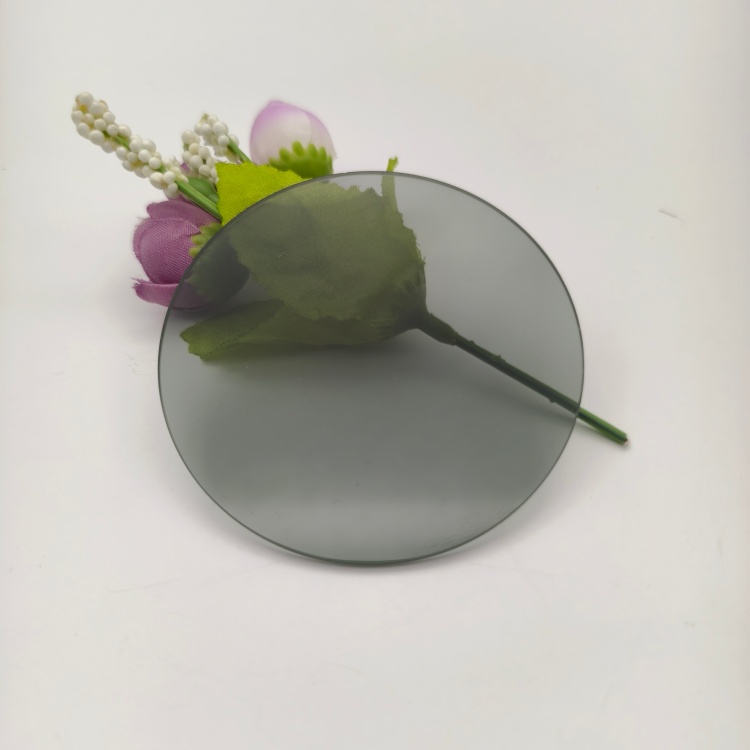
Factory Customized High Strength 2mm 3mm 4mm 5mm Tempered Black Glass Bulletproof & Decorative Flat Surface
A decorative black tempered face for appliance fascias, switch surrounds, equipment panels, and control plates that need a flat, durable, high-contrast surface.
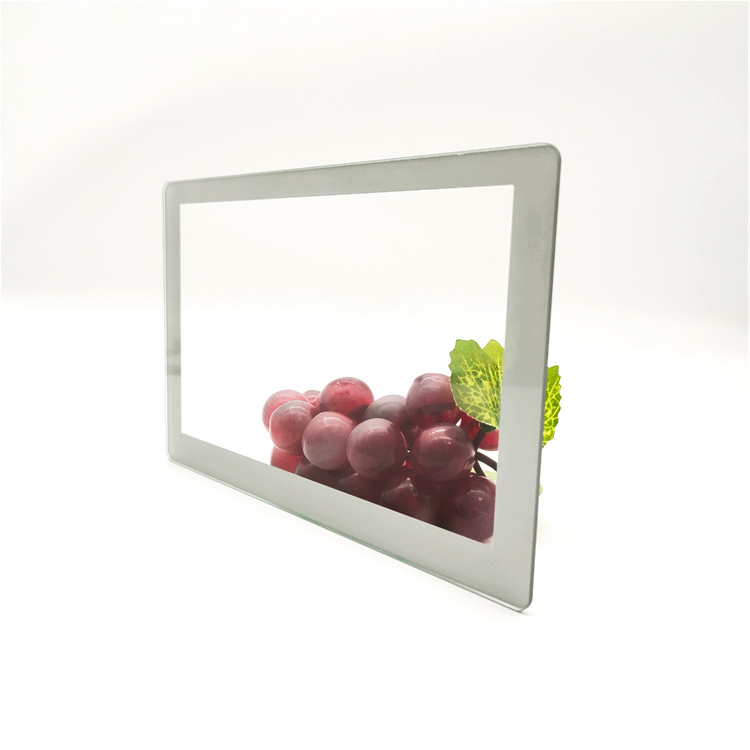
Customized High Strength Anti Glare Frosted Finish Tempered Glass LED/LCD Display Touch Panel for Monitor Screen Protector
An anti-glare frosted cover for LED / LCD windows and touch panels installed near windows, lobby lighting, retail displays, or outdoor-adjacent kiosks.
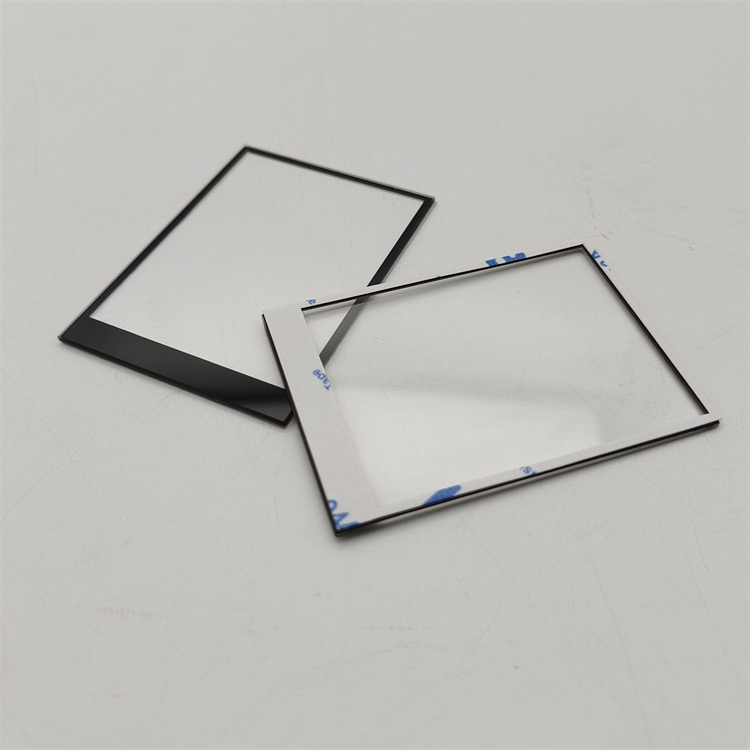
Small Size Ultra Thin 0.5mm 0.7mm 1mm Tempered Glass Panel With Adhesive Tape for Screen Protection
Ultra-thin cover glass with adhesive for compact controllers, membrane keypads, sensor windows, and space-constrained electronic control assemblies.
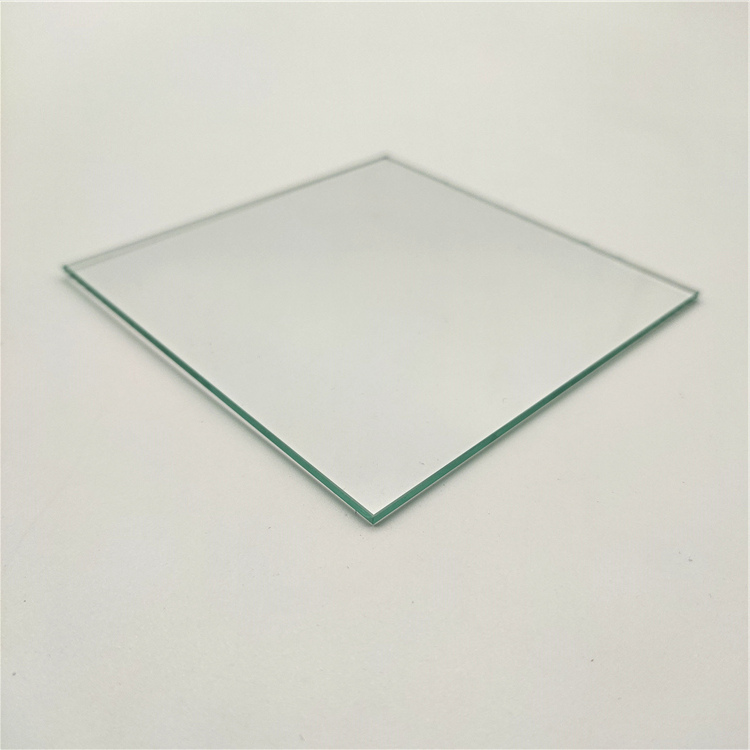
Fast Delivery Custom 1mm clear Glass Sheet
A practical clear glass sheet for prototypes, maintenance replacements, low-volume Jakarta orders, and quick-fit control-panel windows.
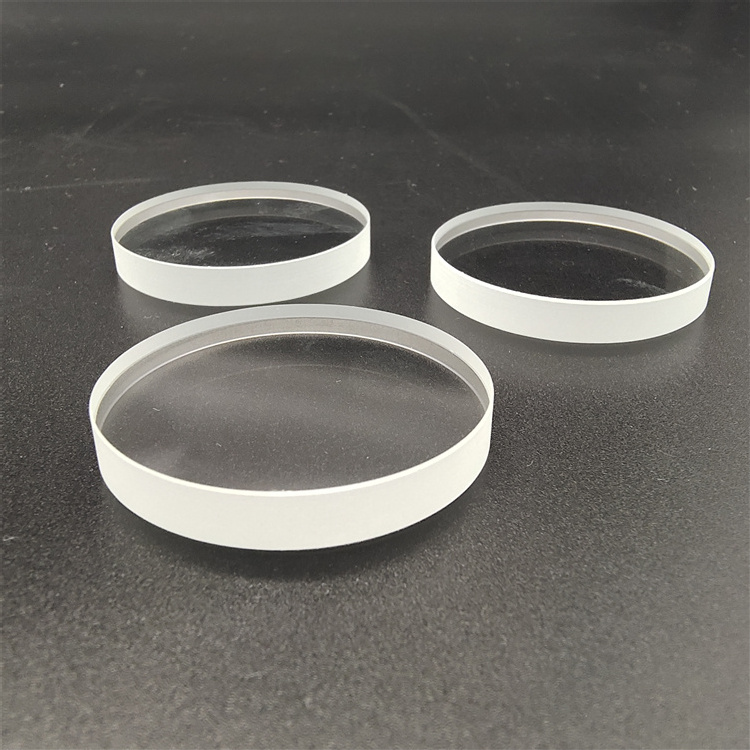
Full Tempered 30mm Diameter 3mm 4mm 5mm 6mm 8mm Thickness Ultra Clear Round Tempered Glass
Round ultra-clear tempered glass for gauges, indicator lenses, circular control openings, sensor ports, and circular display windows.

Customized Ultra Clear 0.5mm 0.7mm Thickness Ultra Thin Tempered Glass
Low-iron ultra-clear glass for optical windows and display covers where color fidelity, brightness, and slim profile matter.
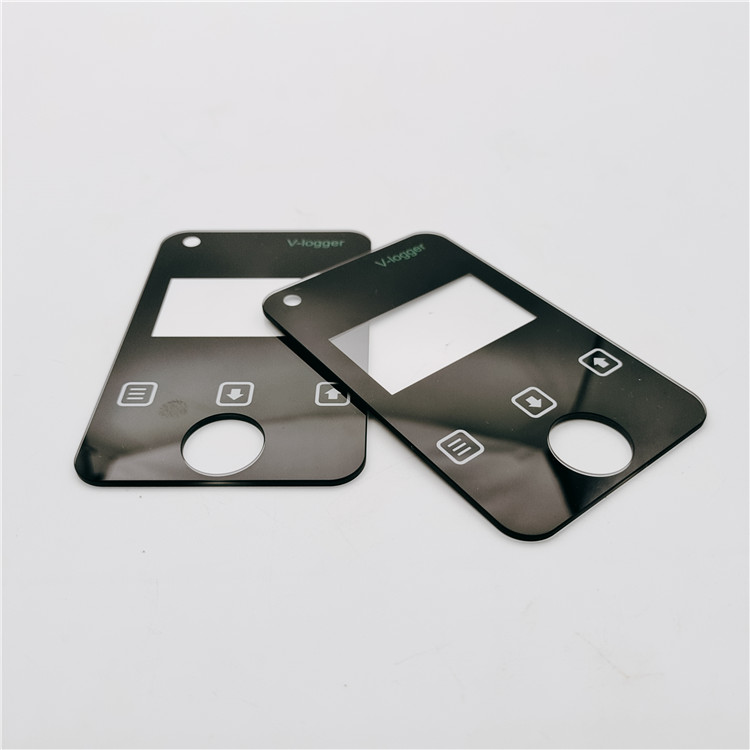
Customized Cut 1mm 2mm 3mm 4mm Instrument Printed Tempered Glass With Holes
Instrument glass with printed graphics and drilled holes for buttons, LEDs, sensors, and custom meter-window apertures.
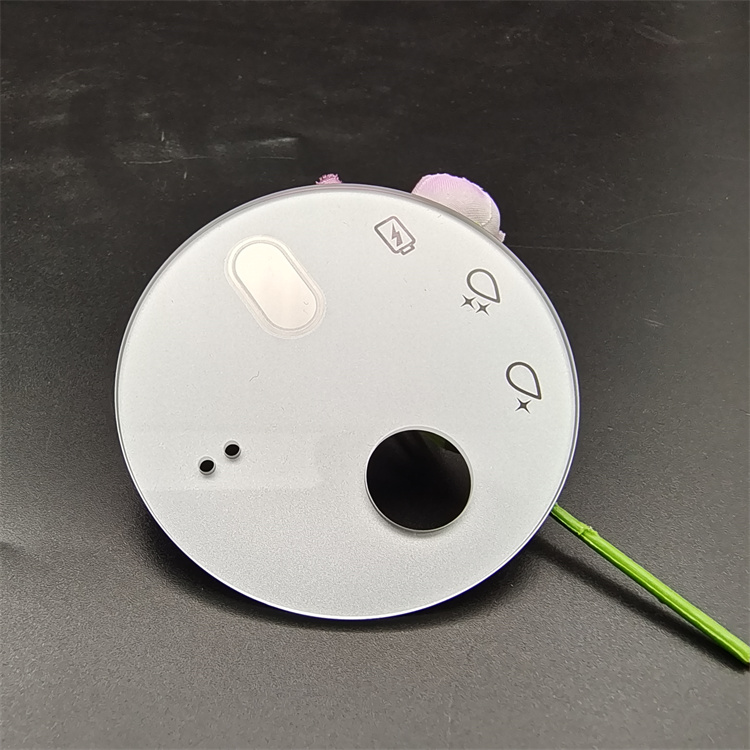
Customized 0.5mm 0.7mm 1mm 2mm 3mm 4mm 5mm 6mm Cut Holes Printed Round Tempered Glass Panels for Home Appliance
Printed round and shaped panels with cut holes for home-appliance controls, electronic interfaces, and decorative fascia plates.
Why Special-Shaped Glass Is Not a Commodity Cover Glass
A rectangular glass blank is a starting material. A control-panel glass is an engineered interface that has to fit a housing, align with a display, protect electronics, survive cleaning, and still look precise after installation.
For Jakarta equipment makers, system integrators, and wholesalers, the demand for special-shaped glass for electronic control panels usually begins with a design constraint: a round LED display, a D-shaped meter window, a notched opening for a cable connector, a cut-out for an emergency stop, a slot for a fingerprint sensor, or a non-rectangular outer profile that follows the industrial design of the enclosure. Standard square glass cannot solve that problem cleanly. The glass must be CNC cut, drilled, edge polished, tempered, printed, and possibly coated to work as a reliable front panel.
The information gain in a real project is rarely the glass itself. It is the sequence of decisions around the glass. Three variables affect cost and yield more than most buyers expect: outline complexity, hole-to-edge distance, and print-plus-coating stack. A sharper internal corner can concentrate stress. A hole placed too close to an edge can reduce breakage resistance. Multiple print passes plus AR and AF coatings add handling steps and inspection points. These are not reasons to avoid custom glass; they are reasons to involve an experienced processor during drawing review.
Jaswe Glass reviews each drawing for manufacturability before sampling. The review covers glass thickness, edge type, hole diameter, print registration, transparent window position, coating compatibility, and packing method. For a Jakarta buyer comparing suppliers, that review process is often more valuable than a low initial quotation, because a panel that fails at assembly or installation creates far more cost than a small difference in unit price.
Where Special-Shaped Control Glass Earns Its Place in Jakarta
Jakarta’s mix of high-rise buildings, transport infrastructure, retail modernization, electronics assembly, and humid tropical conditions creates practical requirements that differ from a generic catalog order.
Building Automation and HVAC Panels
Rounded corners, printed icons, transparent display windows, and anti-fingerprint surfaces for wall-mounted controllers, chiller panels, and BMS interfaces used in offices, hotels, and apartments.
Public Transport and Payment Kiosks
Tempered glass covers with AG anti-glare treatment for ticket machines, information kiosks, access-control readers, and self-service terminals exposed to bright lobby or platform lighting.
Retail POS and Digital Signage
Printed bezel masks, AR-coated display windows, and easy-clean AF surfaces for POS terminals, price-check displays, digital menu boards, and shopping-mall wayfinding screens.
Industrial Power and Utility Cabinets
Instrument glass with holes for indicators, switches, and sensors; high-strength tempered panels for inverters, distribution equipment, and factory automation controls.
Smart Home and Appliance Interfaces
Black decorative glass, ceramic-printed borders, and custom-shaped windows for smart switches, kitchen appliance panels, water heaters, and embedded touch controls.
LED Lighting and Signage Controllers
Ultra-clear and printed glass for LED covers, lighting control plates, and signage modules where edge finish, light transmission, and masking accuracy are visible to end users.
Jakarta Market Trends Shaping Special-Shaped Glass Demand
Buyers in Jakarta are not simply requesting “tempered glass.” They are asking for a front-panel component that supports faster assembly, cleaner aesthetics, and more predictable installation across humid, high-use environments.
Touch-first control surfaces
Smart-building retrofits, modern retail, and appliance upgrades are pushing more projects toward flat glass faces with printed icons, transparent windows, and AF coatings. The glass becomes part of the user experience, not just a protective cover.
Import programs need drawing discipline
Wholesalers and OEMs serving Jakarta increasingly work with DXF, DWG, and PDF drawings to reduce fit disputes. Suppliers that can review manufacturability, supply samples, and repeat production consistently are preferred over trading desks that only quote generic sheets.
Climate-aware specification
Humidity, bright ambient light, cleaning chemicals, and frequent touching influence material and coating choices. AG reduces glare; AF improves touch feel and cleaning; proper enclosure sealing remains essential and should be designed by the equipment maker.
AR, AG, AF, Ultra-Clear, and Printed Tempered Glass for Jakarta Projects
This comparison helps engineers, purchasers, and wholesalers choose the right glass route before requesting samples. Treatments can be combined, but the process sequence and application environment should be reviewed together.
Why Jaswe Glass Fits Jakarta Wholesale and OEM Programs
Dongguan Jaswe Glass Co., Ltd. is a glass processing manufacturer in Dongguan, Guangdong, China, serving electronics, appliance, lighting, display, switch, and electrical-equipment customers across America, Europe, and Asia.

In-house processing keeps critical steps under one roof. Cutting, special-shaped and CNC cutting, edge polishing, hole drilling, tempering, silk-screen and ceramic printing, AG processing, and AR / AF coating are handled as one coordinated production flow. That matters for control-panel glass because a printed panel that arrives after a subcontractor has already damaged an edge is no longer a finished part.
The factory operates with 26 glass processing machines and more than 80 workers, including operators with over eight years of hands-on glass processing experience. Monthly output exceeds 200,000 pieces of processed glass. For buyers serving Jakarta, this capacity supports repeat wholesale orders, mixed-model projects, and scheduled replenishment rather than one-off sample supply.
Jaswe Glass is on-site verified and has recorded a 96.61% response rate, an average response time of 3 hours or less, and a 26% buyer reorder rate on its third-party trade profile. Those figures are useful for procurement teams comparing communication reliability, not only piece price.
“Scientific management, careful manufacture, high quality service, striving for excellence.”
Eight In-House Capabilities That Support Special-Shaped Control Glass
The most reliable custom glass supplier is not the one with the longest catalog. It is the one that can control the process steps that determine fit, appearance, strength, and installation yield.
Precision and CNC Cutting
Automatic cutting and CNC shaping for rounds, notches, slots, D-shapes, irregular outlines, and custom control-panel profiles.
Edge Polishing
Pencil, flat, beveled, stepped, and matte edge options for safe handling, clean appearance, and stable assembly.
Hole Drilling
Holes and countersinks for buttons, sensors, cameras, knobs, indicators, screws, and other control-panel features.
Thermal Tempering
Tempering strengthens glass for impact resistance and safer breakage behavior in public, retail, and industrial environments.
Silk-Screen and Ceramic Printing
Multi-color logos, icons, borders, black masks, and transparent display windows with color matching and registration control.
AG Anti-Glare Processing
Diffused matte surface treatment that keeps displays readable under bright lobby, window, and outdoor-adjacent lighting.
AR Anti-Reflective Coating
Optical coating that lowers reflection and raises light transmission for brighter, higher-contrast display windows.
AF Anti-Fingerprint Coating
Oleophobic top layer for touch surfaces, smoother glide, fewer smudges, and easier cleaning in high-use interfaces.
From Drawing to Delivery in Five Controlled Steps
A transparent workflow helps Jakarta importers, wholesalers, and OEM teams plan samples, installation trials, and repeat production without avoidable surprises.
Send Requirements
Share a DXF, DWG, or PDF drawing plus thickness, edge type, printing, coating, application, and estimated annual volume.
Engineering Review
Jaswe engineers check manufacturability, tooling, hole-to-edge distance, print windows, coating route, and packing.
Sampling
Physical samples allow fit, color, edge, transparency, and optical treatment approval before mass production.
Mass Production
Batch production with in-process inspection at cutting, edging, drilling, tempering, printing, coating, and final visual check.
Packing and Dispatch
Interleaved, edge-protected, and labeled export packing designed for humid storage and long-distance freight handling.
Practical Quality Controls for Jakarta-Bound Control Glass
For wholesale and OEM programs, quality is not only dimensional accuracy. It is the ability to repeat the same fit, print position, edge appearance, and packed condition across multiple shipments.
Incoming Glass Selection
Substrate type and thickness are matched to the drawing, application, and optical requirement before cutting begins.
Print and Window Inspection
Logos, icons, borders, black masks, and transparent windows are checked for registration and visible defects.
Edge and Hole Review
Polished edges, drilled holes, notches, and cut-outs are inspected for chipping, cracks, and fit-critical dimensions.
Export Packing
Parts are separated, edge-protected, and labeled to reduce breakage risk during freight, warehouse handling, and assembly-line unpacking.
Jakarta’s tropical climate and warehouse conditions make packaging a real part of quality. A visually perfect panel that arrives with edge chips or surface abrasion is still a rejected part. Jaswe Glass packs custom control-panel glass with interleaving and edge protection, and can coordinate labels, batch identification, and packing arrangements based on the buyer’s assembly process.
For buyers comparing suppliers, ask for evidence of process control, not only product photos. A capable supplier should be able to explain how a hole is placed relative to a printed window, how glass is supported during tempering, how AG or AR treatment affects inspection, and how repeated orders are matched to the approved sample. These details are the practical foundation of E-E-A-T in custom glass sourcing: experience, expertise, authority, and trust expressed through process.
FAQ for Jakarta Importers, Wholesalers, and Electronic Control Panel OEMs
These are the questions most often raised by overseas buyers sourcing special-shaped glass for control panels, appliances, LED fixtures, and display interfaces.
Can you manufacture special-shaped glass for electronic control panels?
Yes. We process custom outlines, rounded corners, D-shapes, notches, slots, holes, countersinks, and printed windows. Send a DXF, DWG, or PDF drawing with dimensions, thickness, edge requirement, printing colors, coating, and estimated quantity. Engineering review is recommended before sampling.
What is the minimum order quantity for custom control-panel glass?
Most custom items start at 100 to 500 pieces, depending on size, printing, coating, and packing. Standard clear tempered pieces can often be supplied in smaller sample quantities for evaluation. MOQ should be confirmed after drawing review because complex printing or multi-layer coating affects setup cost.
Which glass thickness should I choose for a Jakarta control panel?
Our processing range covers ultra-thin electronic-grade glass from 0.2 mm up to 19 mm flat tempered glass. Common display and touch-cover thicknesses are 0.5, 0.7, 1, 2, 3, and 4 mm. The right choice depends on panel size, support, impact risk, sealing, and the type of touch or display module behind the glass.
What is the difference between AR, AG, and AF glass?
AR anti-reflective coating reduces surface reflection and improves contrast. AG anti-glare treatment diffuses reflected light so the display stays readable under strong ambient lighting. AF anti-fingerprint coating is an oleophobic top layer that resists smudges on touch surfaces. They can be combined, but the stack should match the application and cleaning method.
Is coated glass enough for humid Jakarta environments?
Coating improves optical performance and touch cleanliness, but it is not a replacement for proper enclosure sealing. For humid or frequently cleaned installations, the equipment designer should specify gaskets, adhesive, venting, and condensation control. We can recommend glass thickness, edge treatment, and coating compatibility based on the housing design.
Can you combine printed graphics, holes, tempering, and AR or AG coating?
Yes, but process sequence matters. Printing, drilling, tempering, and coating all affect handling and inspection. Our engineers review the drawing to decide the safest production route. When optical coatings and fine print are combined, sample approval is strongly recommended before mass production.
How do we control quality before shipment?
Quality control includes dimensional checks, edge and hole inspection, print registration review, visual inspection, and packing verification. For repeat wholesale programs, approved samples and written specifications should be kept as the reference standard. Inspection photos or batch records can be discussed during order review.
What information is needed to start a quotation?
Send the drawing, glass thickness, outline and hole tolerances, edge type, printing colors, transparent window details, surface treatment, application, estimated annual quantity, and delivery terms. If you are a Jakarta wholesaler, include the mixed-model quantity plan and whether you need consolidated packing for multiple projects.
Five Checks Before You Approve a Special-Shaped Glass Supplier for Jakarta Programs
Price is only one part of landed cost. Evaluate whether the supplier can protect your installation schedule, brand appearance, and repeat-order consistency.
1. In-House Control
Confirm who cuts, drills, tempers, prints, and coats the glass. Fewer handoffs usually mean tighter accountability.
2. Print Registration
For control panels, a small print shift can expose wiring or misalign a logo with a light window. Ask about registration control.
3. Edge and Hole Quality
Inspect polished edges and drilled holes under suitable lighting. Chips and micro-cracks become field failures.
4. Packing Discipline
Ask how parts are separated, edge-protected, labeled, and packed for humid storage and multi-stage freight handling.
5. Communication Record
Response time, sample follow-up, and reorder consistency are leading indicators of what production support will feel like after PO release.
Request a Special-Shaped Glass Quote for Your Jakarta Control-Panel Project
Send your drawing, thickness, quantity, printing requirement, coating choice, and target application. Our engineers will review manufacturability and recommend a practical process route for sampling or wholesale production.