8 Custom Glass Products for Stuttgart Wholesale and OEM Projects
These glass items match the practical needs of Stuttgart-area buyers: readable display windows, printed control panels, architectural lighting covers, compact touch interfaces and industrial equipment glass. All product URLs are preserved for direct specification review.
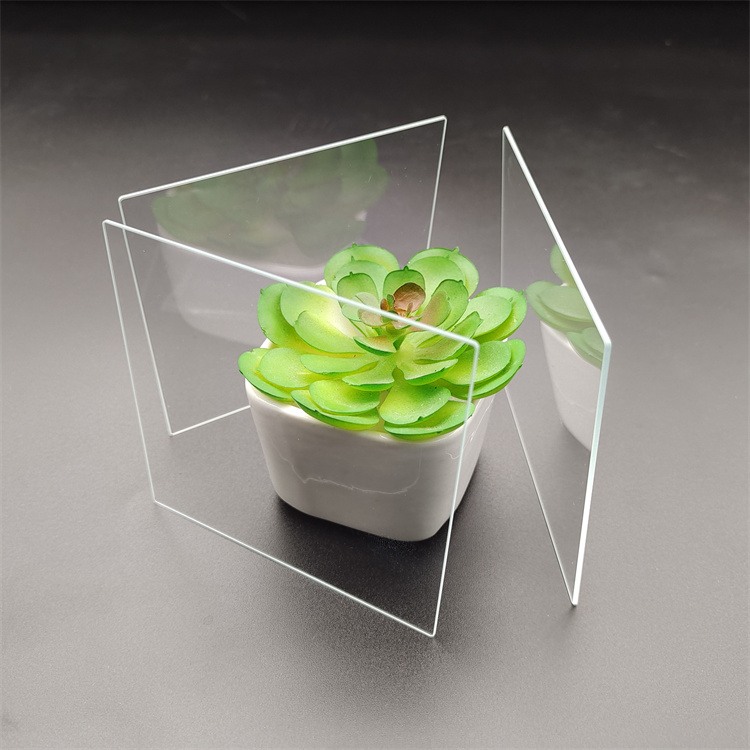
Custom 1mm 2mm 3mm 4mm 5mm Tempered Extra Clear Glass Panel for LCD Screen / LED Light / Electronic Appliance Cover
A versatile extra-clear panel for display windows, LED covers and appliance control surfaces where color neutrality and clean edges matter.
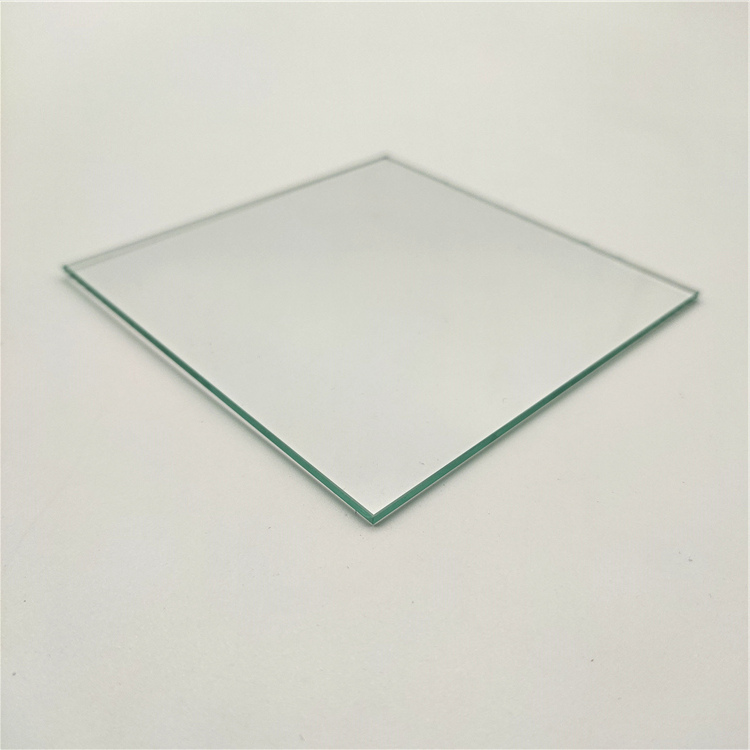
Fast Delivery Custom 1mm clear Glass Sheet
A practical option for prototype builds, design validation and bridge volumes before serial tooling is released.
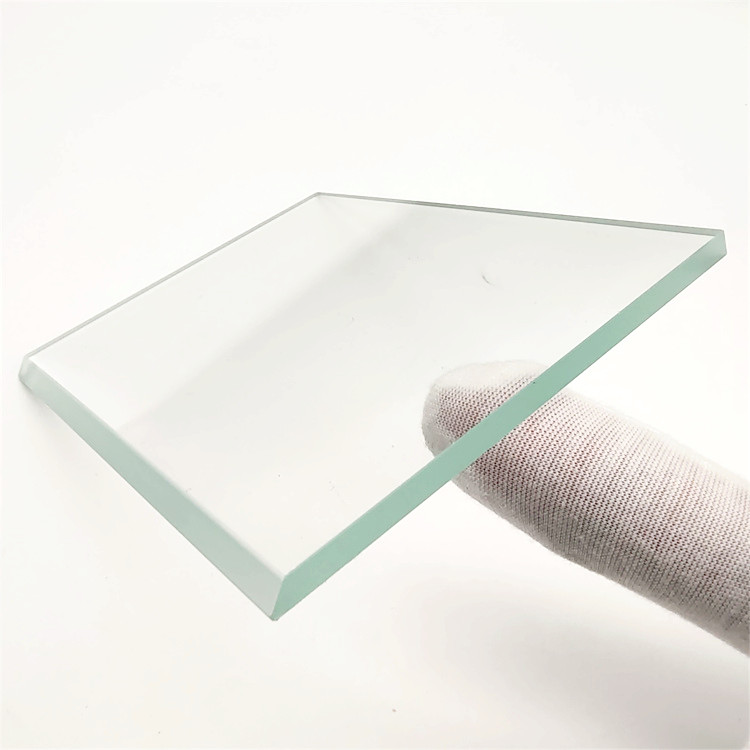
Customized Small Size 3mm 4mm 5mm 6mm Beveled Edge Tempered Glass
Premium small-format glass for switch plates, control windows and compact equipment panels with a visible beveled edge.
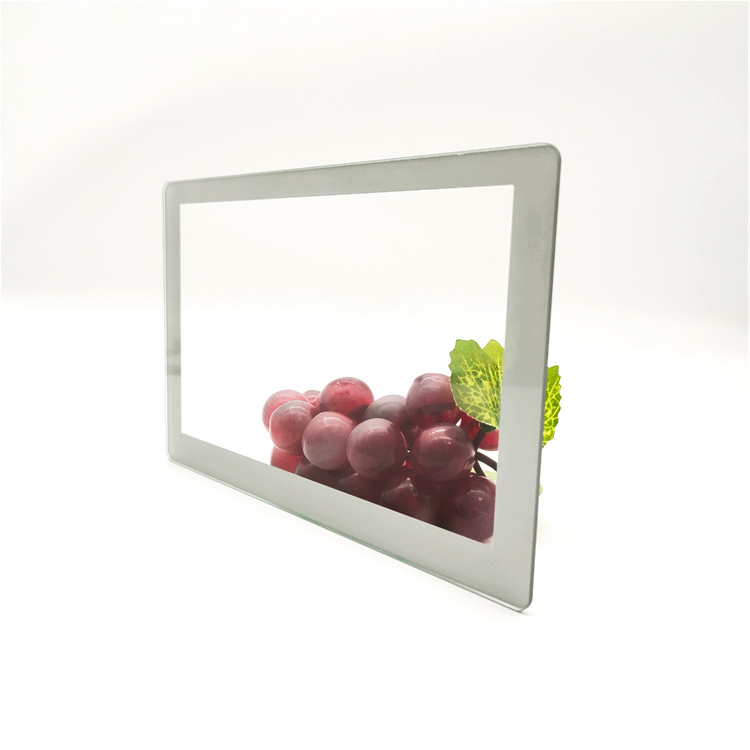
Customized High Strength Anti Glare Frosted Finish Tempered Glass LED/LCD Display Touch Panel for Monitor Screen Protector
Recommended for machine HMI and industrial monitors that must stay readable under overhead shop lighting.
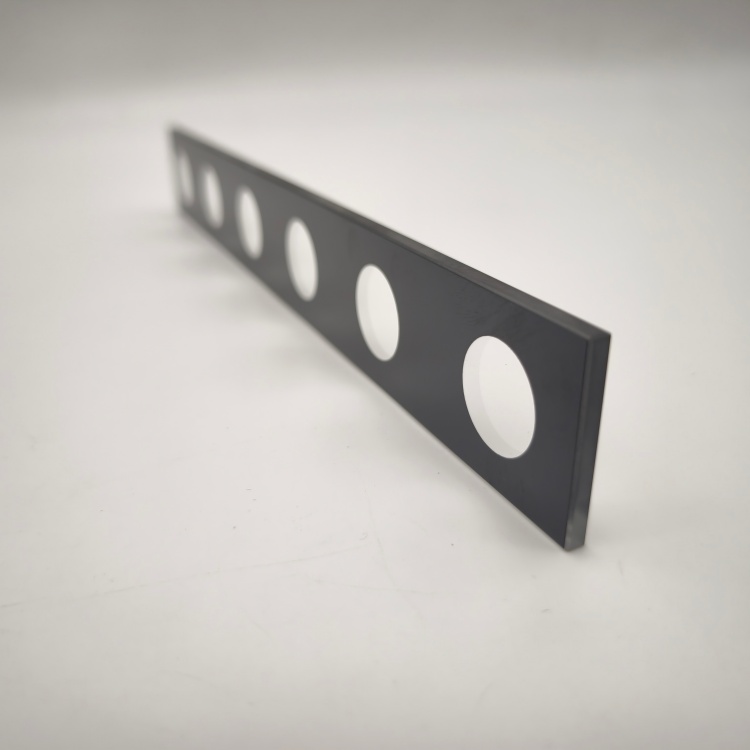
Black Printed Polished Smooth Matte Edge Linear Tempered Glass for LED Wall Washer Light
A linear lighting cover that combines a clean black print with a matte edge for architectural wall-washer fixtures.
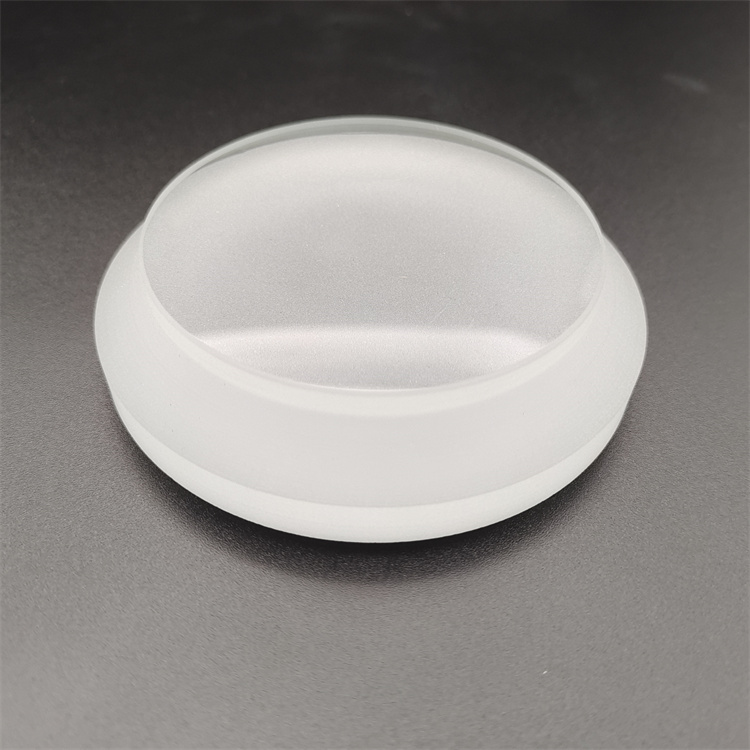
Customized Industrial Lighting Solid Flat Ultra Clear Frosted Tempered Glass with Beveled Step Edge
For high-end industrial luminaires and equipment windows that need a stepped fit, frosted diffusion and a refined edge.
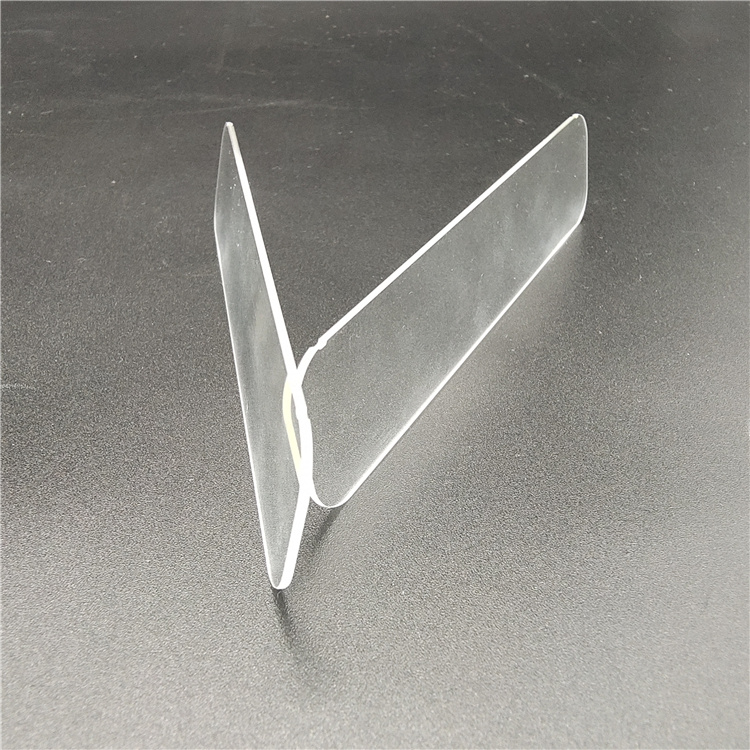
Custom Extra White 0.5mm 1mm 1.5mm 2mm Low Iron Tempered Glass Chemical Strengthened
A thin, color-neutral cover glass for compact electronics, sensor windows and touch interfaces with tight space limits.
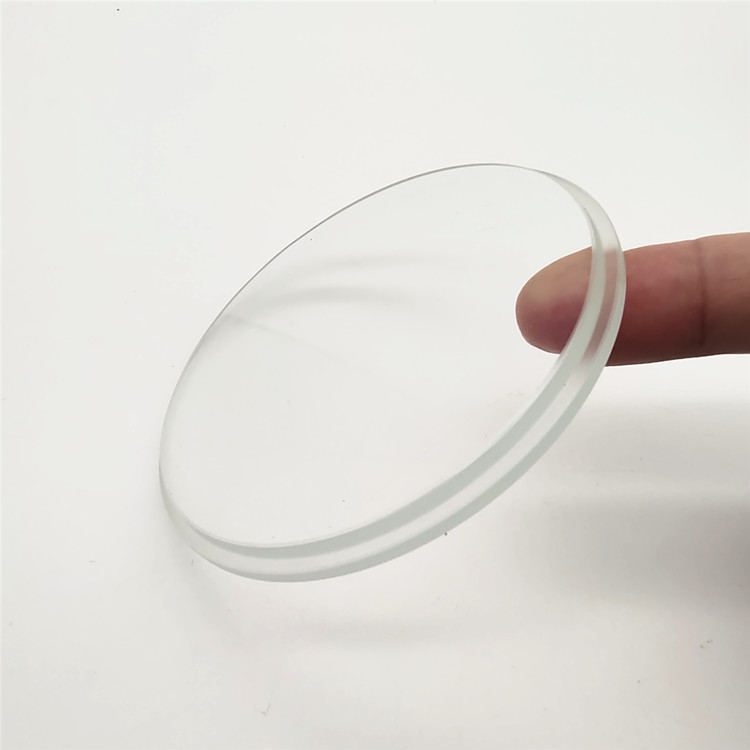
Factory Price 2mm 3mm 4mm 5mm 6mm 8mm 10mm Tempered Step Edge Glass
A cost-conscious step-edge solution for equipment windows, display covers and wholesale replacement panels.
Need a specification that is not listed? Share your drawing, thickness, edge type, printing colors and coating requirement. Get a Quote
Why Precision Buyers in Stuttgart Look Beyond the Price per Square Meter
The region’s engineering culture rewards repeatability, optical clarity and documentation as much as unit cost.
Stuttgart is one of Europe’s most concentrated engineering markets. Automotive suppliers, machine-tool builders, automation integrators, measurement-equipment specialists, lighting brands and smart-building OEMs all operate within a relatively short distance. Their glass requirements rarely fit a catalogue-only model. A buyer may need a 0.5 mm low-iron window with a printed border, a 3 mm anti-glare panel with an AF coating, a 4 mm silk-screen printed switch plate, or a 6 mm stepped cover for an industrial luminaire.
Because these components sit at the interface between electronics and the user, the cost of a poor specification is high. A reflective display can slow an operator during a test procedure. A visible printing defect can reject an entire appliance run. A sharp edge can create handling risk. A glass that is dimensionally correct but optically different from the approved sample can disrupt a serial production line. That is why the best wholesale glass partner for Stuttgart is not simply the supplier with the lowest quote; it is the supplier that can translate a drawing into a repeatable process and explain the trade-offs before a sample is approved.
Dongguan Jaswe Glass Co., Ltd. supports this type of sourcing with an in-house process chain for cut-to-shape glass, CNC shaping, edge polishing, hole drilling, tempering, silk screen and ceramic printing, AG processing, AR coating and AF coating. The company’s published profile includes 80+ skilled workers, 26 glass processing machines and monthly output above 200,000 pieces. For Stuttgart buyers, those figures matter only when they translate into stable samples, documented specifications and repeatable production.
Four Stuttgart Market Signals That Shape Glass Specifications
These are the practical triggers that lead procurement teams and engineers in Baden-Württemberg to request custom glass rather than a standard sheet.
Readability Under Industrial Lighting
Machine shops, test cells and assembly lines often combine bright overhead lighting with glossy displays. AG frosted glass, AR coating or a combined AG + AF stack can reduce reflections while keeping touch surfaces clean.
Integration With Automation and Machine Tools
Stuttgart’s machine-tool and automation clusters require HMI windows that resist frequent cleaning, fit flush into enclosures and remain readable at an angle. Edge quality and hole position are as important as optical treatment.
Architectural Lighting and Building Technology
LED wall washers, downlights and smart-building controls use glass as a visible design element. Black printing, matte edges, low-iron substrates and controlled diffusion help fixtures look consistent across a project.
Serial Production Requires Evidence
Industrial buyers want sample approval, dimensional reports where agreed, packaging that survives export transit and repeat production that matches the approved golden sample.
What Is Changing in Custom Glass for Stuttgart OEMs and Integrators
The direction is clear: thinner glass, smarter optical coatings and printed front panels that combine branding with electronics.
Thin Low-Iron Glass for Compact Controls
Compact smart switches, sensor windows and portable equipment increasingly use 0.5 mm to 2 mm low-iron glass. The goal is a color-neutral edge, lower weight and a premium feel without making the housing thicker.
AR, AG and AF as a Combined System
Single treatments are still common, but Stuttgart buyers increasingly ask for combinations. AG + AF improves readability and smudge resistance; AR + AF improves contrast on high-value test equipment; printed glass can integrate all three.
Printed Glass Replacing Plastic Front Panels
Silk screen and ceramic printing allow icons, windows, logos and borders to be integrated into one tempered glass part. The result is a more scratch-resistant front panel for appliances, wall switches and instrument housings.
Supply Resilience and Repeatability
Dual sourcing and supplier risk reviews put more weight on process control. When a Stuttgart buyer approves a glass sample, the next production batch must match it in color, haze, edge finish and dimensional fit.
Glass Recommendation by Stuttgart Application
Use this fast selection matrix to shortlist a product series before sending a drawing for engineering review.
Machine-Tool HMI and Touch Panels
For HMI covers used near machine tools and automation cells, specify extra-clear tempered glass with AR + AF for high-transmission touch panels. If strong overhead light is the main problem, AG frosted tempered glass with AF is often more comfortable.
Recommended: Extra clear tempered 1–5 mm · AR / AG / AF optionsLED Wall Washers and Architectural Fixtures
Black printed linear tempered glass helps hide internal structure, control light spill and give wall-washer fixtures a crisp architectural line. Matte edge treatment reduces visual distractions on visible edges.
Recommended: Black printed linear tempered · Matte edgeAutomotive Test Equipment and Measurement Windows
Test rigs and measurement systems need windows that stay readable under changing light. Anti-glare frosted tempered glass with printed borders can hide mounting areas and reduce glare without compromising the sensor view.
Recommended: Anti-glare frosted tempered · Printed borderSmart Switches and Building Controls
Wall switch glass is both a cover and a design surface. Thin low-iron tempered or chemically strengthened glass supports printed icons, transparent touch windows and a flat front panel for modern building controls.
Recommended: 0.5–2 mm low-iron glass · Ceramic printingAppliance Control Panels
Extra-clear 1–5 mm tempered panels are commonly used for appliance control surfaces, display windows and LED indicator areas. Beveled or polished edges create a finished look for visible front panels.
Recommended: 1–5 mm extra clear tempered · Printed windowsPrototypes, Samples and Bridge Volumes
For early design validation, custom 1 mm clear glass sheet can shorten the loop between mechanical design and fit testing. Once the design is proven, transfer the specification into serial production with the same edge and printing controls.
Recommended: Fast delivery 1 mm clear glass sheetAR vs AG vs AF vs Ultra-Clear: How Stuttgart Engineers Should Choose
Each treatment solves a different problem. The most expensive option is not automatically the right option; the optical target and the user environment decide.
AR Anti-Reflective
AR coating lowers surface reflection and can improve contrast and light transmission. It is often specified for display windows, camera covers and industrial monitors where the viewer needs to see the screen rather than the glass surface.
AG Anti-Glare
AG treatment diffuses reflected light. It is useful for outdoor kiosks, machine HMI and displays placed under strong ambient light. Haze level and viewing distance should be discussed together; a texture that helps at two meters may be too diffuse for high-resolution inspection.
AF Anti-Fingerprint
AF coating is an oleophobic top layer for touch surfaces. It improves finger glide and makes cleaning easier. For Stuttgart touch-control programs, AF is often combined with AR or AG rather than used in isolation.
Ultra-Clear Low-Iron Glass
Standard float glass can show a green edge. Low-iron glass reduces that tint for a truer color appearance. It is especially relevant for white appliance panels, architectural lighting, display windows and printed glass with light colors.
Where Custom Glass Creates Value in the Stuttgart Industrial Ecosystem
From test halls to smart buildings, the same physical material must satisfy different mechanical, optical and aesthetic expectations.
Automotive Supplier Test Rigs
Protective windows for test benches and measurement cells need clean visibility, safe edges and stable dimensions. Printed borders can hide mounting hardware while AG or AR treatment helps operators read data screens without reflections.
Machine-Tool HMI and Automation Panels
Touch covers should resist daily cleaning and accidental contact. Tempered glass with AF coating improves the user experience, while AR or AG treatment makes status indicators and process data easier to read.
Architectural LED Fixtures
Wall washers, downlights and linear fixtures use glass covers for aesthetics and protection. Black printing, matte edges, frosted diffusion and ultra-clear low-iron substrates help lighting designers achieve consistent results.
Smart Building Controls
Stuttgart’s building-technology sector integrates glass into switch plates and room controllers. Printed icons, sensor windows and touch areas can be combined on one glass panel with a flat, easy-to-clean surface.
Appliance and Electronics
Control panels for kitchen and household appliances benefit from extra-clear tempered glass with printed windows and indicator areas. Beveled edges and precise cut-outs give a premium finish.
Laboratory and Measurement Equipment
Sensor covers and instrument windows often require thin glass, tight tolerances and optical consistency. Low-iron chemically strengthened glass can support compact designs where conventional glass is too thick or too green.
Why Jaswe Glass Works as a Wholesale Processing Partner for Stuttgart Buyers
The strength of a custom glass factory is measured by process integration, engineering communication and repeatability after sample approval.
One In-House Process Chain
Cutting, CNC shaping, edge polishing, hole drilling, tempering, silk screen and ceramic printing, AG processing and AR/AF coating are coordinated under one roof. Fewer handoffs mean fewer quality gaps between subcontractors.
Engineering Review Before Quotation
Jaswe reviews drawings for manufacturability before sampling. That conversation can reveal whether a hole is too close to an edge, whether a print color needs a white backup layer, or whether a step edge is the cleanest way to fit an enclosure.
Flexible MOQ for Development and Serial Supply
Most custom glass items start at 100 to 500 pieces depending on size, printing and coating. Standard clear tempered pieces can be supplied in smaller sample quantities for evaluation before a Stuttgart buyer commits to a wholesale program.
Repeatability for Approved Samples
Custom glass is only useful when production matches the golden sample. Jaswe’s process controls cover printing color, coating, edge finish and dimensional fit so approved parts can be repeated across orders.
Export-Ready Packing
Glass shipped to Germany must survive handling and transit. Interleaved, edge-protected export packing can be discussed during the RFQ so the packaging suits the panel size, quantity and transport route.
Responsive Communication Metrics
The company’s published trade profile shows an average response time within 3 hours, a 96.61% response rate and a 26% buyer reorder rate. For overseas buyers, fast technical replies can shorten the sample and approval cycle.
Six Process Gates from Stuttgart Drawing to Shipped Glass
A clear workflow reduces ambiguity and gives procurement teams a practical way to audit progress.
Drawing and RFQ Review
Share a DXF, DWG or PDF drawing with thickness, outline, holes, edge type, printing, coating, application and estimated annual volume.
Material and Process Selection
Review low-iron versus clear glass, tempering versus chemical strengthening, and AR, AG or AF treatment against the operating environment.
CNC Cutting, Edging and Drilling
Shape the outline, polish or bevel the edge, and drill holes for sensors, screws, buttons or light guides before strengthening.
Tempering or Strengthening
Apply the appropriate strengthening route. Thin electronic glass may require chemical strengthening, while thicker cover glass can be thermally tempered.
Printing and Optical Coating
Apply ceramic inks, silk-screen graphics, AR coating, AG processing or AF coating according to the approved sample and viewing requirement.
Final Inspection and Export Packing
Inspect dimensions, appearance, printing and edge quality before protective packing for export to Stuttgart or the wider European market.
What Stuttgart Buyers Commonly Ask a Custom Glass Factory
These answers are written for engineering, purchasing and quality teams evaluating an overseas glass processing partner.
Can Jaswe Glass supply wholesale quantities to the Stuttgart market even though the factory is in Dongguan?
Yes. Jaswe supplies custom processed glass from Dongguan to international buyers, including Europe and Asia. For Stuttgart projects, the practical route is to approve samples first, confirm the drawing and packaging, then plan serial production and export shipment. Buyers should confirm Incoterms, shipping method and any import documentation requirements before the order is released.
What is the minimum order quantity for custom glass?
Most custom items start at 100 to 500 pieces depending on size, printing and coating. Standard clear tempered pieces can be supplied in smaller sample quantities for evaluation. For a Stuttgart buyer, the best approach is to state both the prototype quantity and the expected annual volume so the process and pricing can be reviewed together.
Which glass thicknesses are most relevant for displays, HMI and control panels?
The most requested display and touch-cover thicknesses are 0.5, 0.7, 1, 2, 3 and 4 mm. Jaswe’s broader range covers ultra-thin electronic-grade glass from 0.2 mm up to 19 mm flat tempered glass. The right thickness depends on impact risk, enclosure design, weight targets, coating process and the required edge profile.
How should a Stuttgart engineering team choose between AR, AG and AF glass?
AR reduces surface reflection and is useful when display contrast and transmission matter. AG diffuses reflected light and is suitable for strong ambient lighting or outdoor readability. AF reduces fingerprints and improves touch feel. They can be combined; for example, AG + AF for bright touch environments or AR + AF for high-clarity touch displays. Samples should be tested under the actual viewing light where possible.
Can you match printed colors, logos and transparent window areas?
Silk screen and ceramic printing can reproduce logos, icons, borders and transparent windows. Send artwork, Pantone or RAL references where relevant, the window size and the glass side on which printing should appear. Color appearance changes with glass type, ink system, lighting and backing; an approved physical sample is the safest reference for serial production.
What drawings and specifications should be included in an RFQ?
Provide a DXF, DWG or PDF drawing with dimensions, thickness, corner radii, hole positions, edge type, printing colors, coating requirement, application, annual quantity and any packaging requirement. If a product will be used in a known environment, state the cleaning chemicals, operating temperature, indoor or outdoor exposure, and whether touch performance is critical.
Can samples be made before mass production?
Yes. Sampling is the normal route for custom display, control-panel and lighting glass. The sample review should cover fit, edge appearance, printing color, optical effect, coating appearance and any functional test the buyer requires. Once approved, the sample becomes the reference for production control.
What about RoHS, REACH or material declarations for glass and coatings?
Documentation requirements should be raised at the RFQ stage. The final scope depends on the glass substrate, inks, coatings, adhesives and any assembled components. For Stuttgart programs, it is useful to list every substance or declaration requirement in the RFQ so the applicable documentation can be reviewed before quotation and sample approval.
What to Put in an RFQ for a Faster, More Accurate Stuttgart Glass Quote
A drawing alone is not enough for an optical or printed glass part. The RFQ should describe what the glass must do, not only how it is shaped.
Optical Requirement
State whether the priority is high transmission, low reflection, glare diffusion, smudge resistance or color neutrality. If possible, describe the viewing light and distance.
Mechanical and Environmental Context
Note impact risk, cleaning methods, outdoor exposure, temperature range and mounting method. These details influence thickness, edge type and strengthening choices.
Printing and Appearance
Include artwork, Pantone or RAL references, transparent window dimensions, printed side, edge appearance and whether the panel is visible when installed.
Supply and Repeatability
Share prototype quantity, annual demand, packaging expectation, delivery term and any documentation requirement. Repeatability starts with a complete specification.
Send Your Drawing for a Stuttgart-Ready Glass Quotation
Tell us the thickness, quantity, application, edge type, printing colors and coating requirement. The Jaswe team will review manufacturability and recommend a practical process route for your display, control panel, LED lighting or appliance glass project.
Get a Quote