8 Custom Tempered Glass Products for Yokohama Projects
These eight product routes cover the most common Yokohama inquiries: industrial lighting covers, drilled display panels, OEM screen protectors, beveled small glass, high-strength instrument windows, ultra-clear LED covers, silk-screen printed display glass and custom small tempered pieces. All dimensions, holes, edge profiles, printing colors and coatings are reviewed against your drawing before sampling.
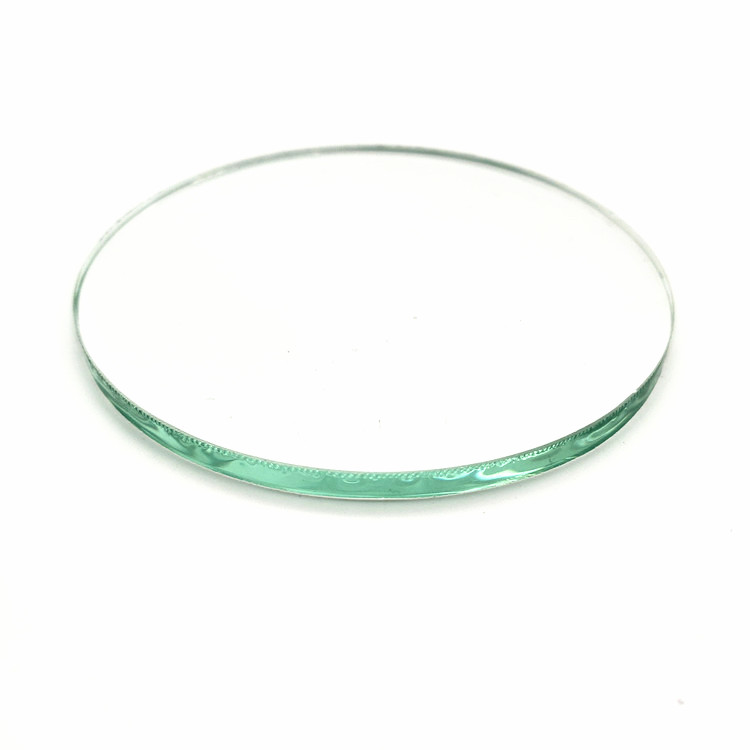
Customized Clear Flat Solid Tempered Glass Pieces 1mm-19mm for Industrial Lighting and Various Applications
A practical first choice for Yokohama lighting fixture makers, equipment enclosures and general industrial covers that need clear flat tempered glass with custom outlines.
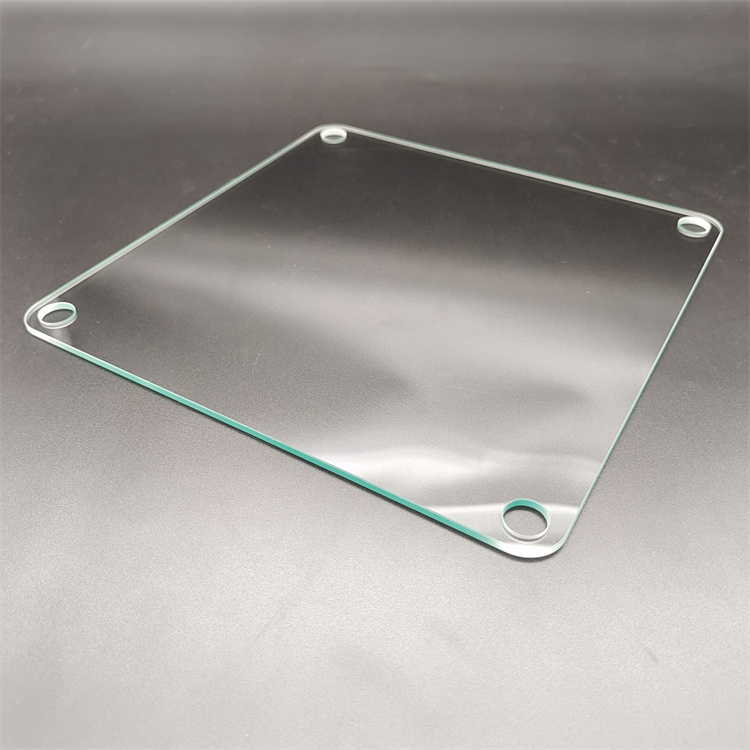
Factory Sale Customized Shape Decorative Glass Cover Hole Drilling Glass Panel Soda-lime Tempered Glass Sheet With Holes
For control boxes, sensors, camera windows and instrument covers where holes and decorative outlines must align with surrounding hardware.
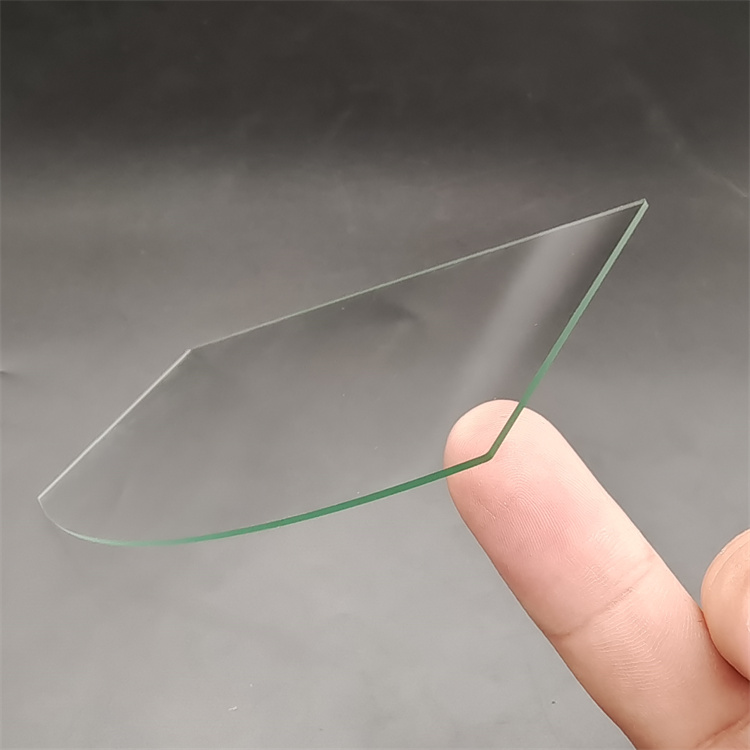
Any Size Custom 0.5/0.7/1/1.5/2/3mm Tempered Glass Screen Protector, Round Rectangle Triangle Customized Tempered Glass Oem Odm
A flexible route for Yokohama electronics brands and product designers testing thin cover glass in round, rectangular, triangular or freeform shapes.
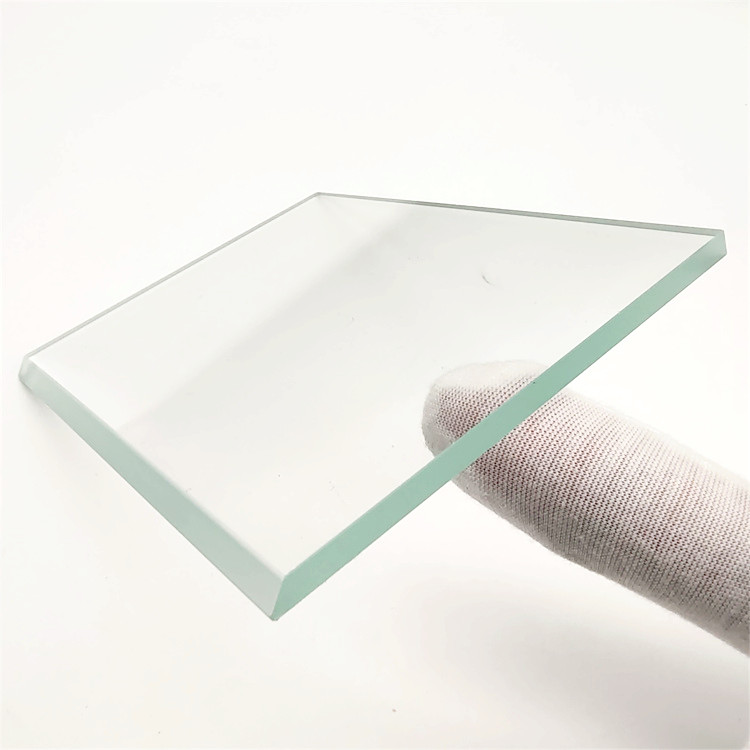
Customized Small Size 3mm 4mm 5mm 6mm Beveled Edge Tempered Glass
Small-format glass for switches, meters, optical windows and compact equipment covers where edge appearance and handling safety matter.
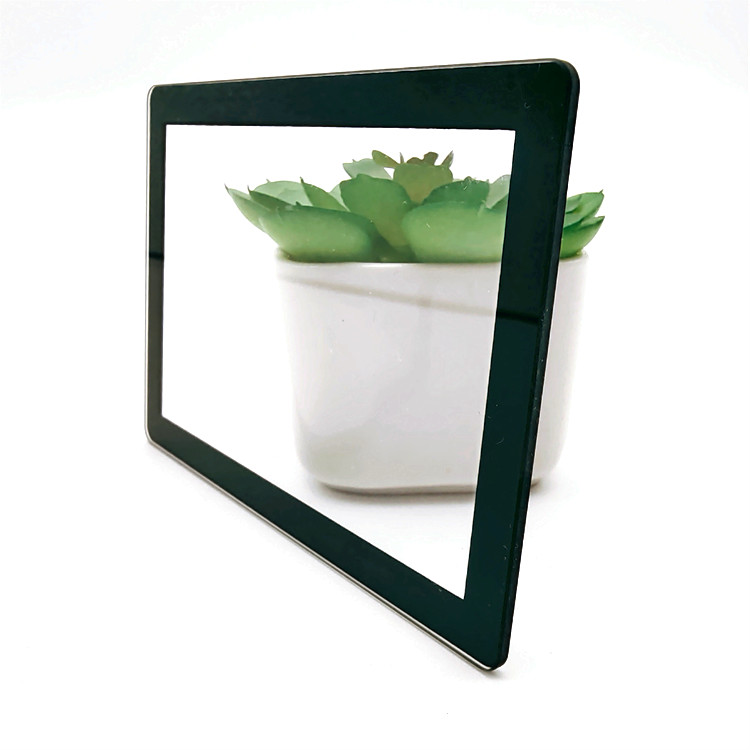
High Quality 0.5mm-6mm Solid Industrial Display Screen Tempered Glass with Printed Design High Strength & Bulletproof Protection
Designed for Yokohama equipment builders that need a durable printed display window with strong substrate and controlled optical appearance.
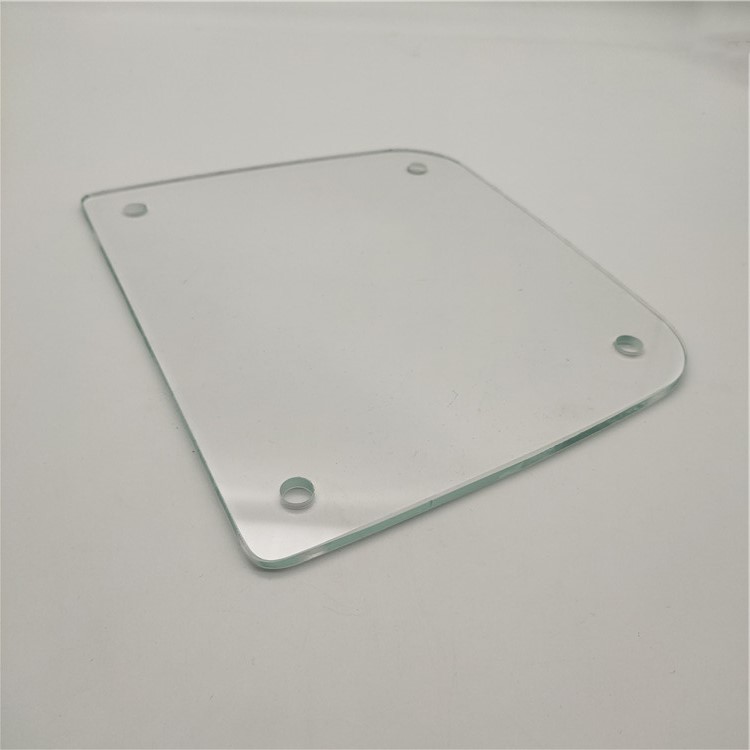
Ultra Clear Tempered Glass Customized Design with Cut Holes for Led Light Cover
Low-iron glass for LED fixtures where a neutral view of the light source, printed borders and clean cut-outs are important.
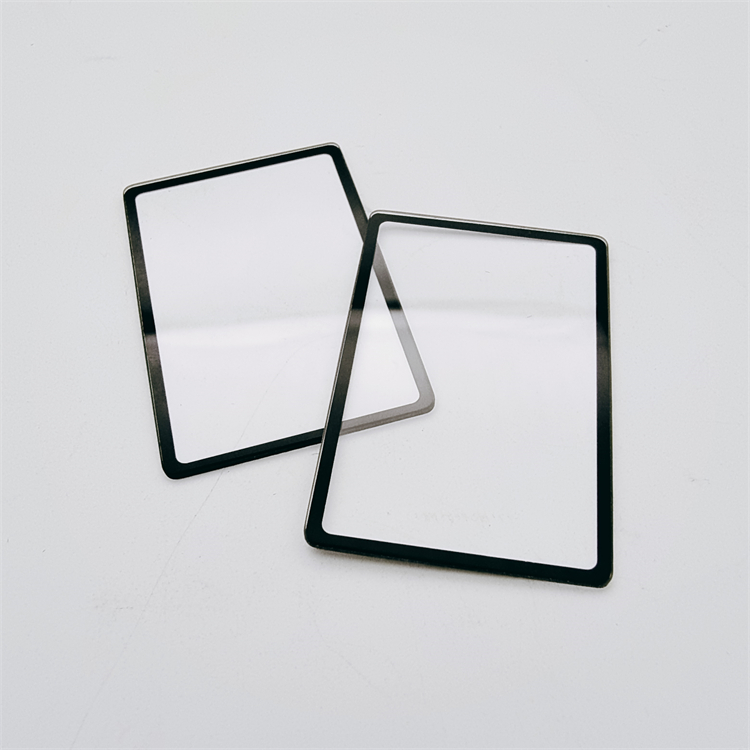
0.5mm 0.7mm 1mm 2mm 3mm Good Price OEM Wholesale Custom Premium Silk Screen Printing Tempered Glass Display Screen Industrial
Printed glass for control panels, appliance interfaces and touch key windows where logo, icon and window alignment must be repeated consistently.
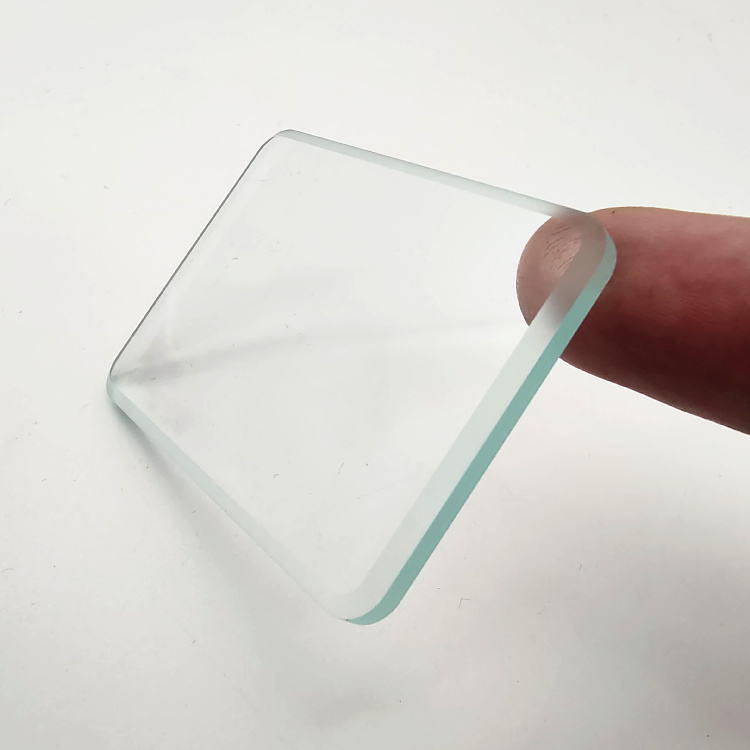
Custom Small Dimensions Tempered Beveled Edge Glass for Sale
For Yokohama buyers sourcing compact glass components with a finished edge, controlled dimensions and repeat-order consistency.
One Supplier for Cutting, Drilling, Polishing, Tempering, Printing and Coating
Yokohama buyers usually compare more than unit price. They compare drawing feedback speed, tolerance discipline, color consistency, packaging protection and export communication. Keeping critical processes under one roof in Dongguan helps remove the quality gaps that appear when glass moves between subcontractors.
Where Tempered Glass Is Used Across Yokohama Industries
Yokohama combines automotive and mobility supply chains, port logistics, advanced manufacturing, smart-building technology, lighting design and marine electronics. The same tempered glass product family can serve these sectors, but the surface treatment, thickness, printing and packing requirements are not identical.

Automotive & EV Interfaces
Yokohama and the wider Kanagawa manufacturing belt support automotive electronics, charging equipment and mobility startups. Glass covers for HMI panels may require printed black masks, AR/AF treatment, precise hole positions and edge quality that supports clean assembly.
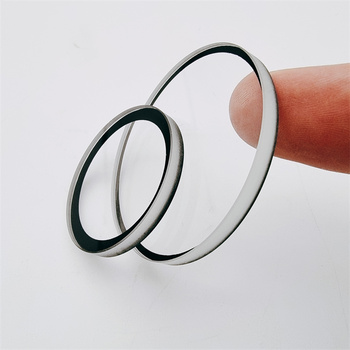
Port Logistics & Outdoor Terminals
Around Yokohama Port, warehouse control screens, gate terminals and outdoor service interfaces face strong ambient light. AG anti-glare treatment can diffuse reflections, while AF coating helps keep touch surfaces cleaner during daily use.
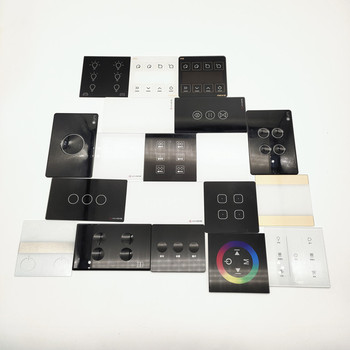
Smart Buildings & Touch Switches
Minato Mirai and redevelopment projects favor clean interfaces. Silk-screen printed glass panels can carry icons, backlit windows, logos and transparent touch areas while remaining easy to clean.
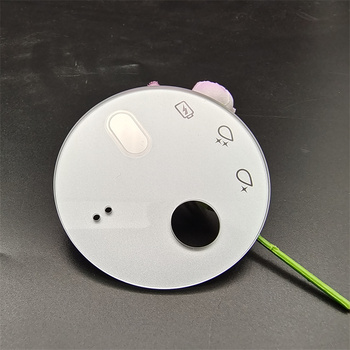
Home Appliances & Control Panels
For appliance brands and contract manufacturers, thin printed glass can replace plastic covers with a more premium surface. Color matching, window clarity and adhesive compatibility are reviewed before mass production.

Industrial Instruments & Equipment
Yokohama equipment builders often need meter windows, HMI covers and inspection windows. Here the priorities are dimensional repeatability, hole alignment, scratch resistance and stable printing.

Marine & Security Devices
Harbor equipment, camera housings and security interfaces can use printed cover glass with cut-outs. The glass itself is inert, but edge sealing, hardware choice and packaging still need to suit humid coastal environments.
What Is Changing in Yokohama Glass Procurement
Yokohama buyers are not simply replacing one glass supplier with another. Many projects are moving toward thinner covers, multi-functional surfaces, shorter product cycles and stronger documentation. These shifts affect how a tempered glass exporter should quote and support the account.
More Thin-Glass Reviews
Requests for 0.5 mm, 0.7 mm, 1.1 mm and 2 mm covers are increasing in compact electronics and appliance interfaces. Thin glass is not automatically interchangeable with thicker tempered glass, so the strengthening and handling route must be confirmed by application.
AR / AG / AF Combinations
Outdoor terminals, touch kiosks and automotive displays often combine anti-reflective, anti-glare and anti-fingerprint functions. The coating stack should be tested together with printing and adhesive because optical results can change after assembly.
Design-Led Printed Glass
Smart switches, appliances and building interfaces treat glass as a visible design surface. Buyers ask for color approval, icon clarity, window edges and print durability to be checked on the final glass, not only on a printed paper proof.
Sample-First Verification
Yokohama procurement teams increasingly want a traceable sample stage: drawing revision, material, thickness, edge, print color, coating and packing method. This reduces surprises when a design moves from prototype to repeat order.
Matching Glass Type to Yokohama Product Requirements
Use this practical matrix during early supplier comparison. It is not a substitute for drawing review, but it helps align engineering, purchasing and design teams before requesting samples.
| Yokohama Application | Recommended Glass Route | Why It Fits | Procurement Check |
|---|---|---|---|
| EV charging / automotive HMI | Printed tempered cover glass with AR + AF, 1.1–3 mm | Improves contrast, reduces fingerprints and supports clean black-mask borders. | Confirm viewing angle, touch sensitivity, adhesive compatibility and print color on a physical sample. |
| Port-side outdoor terminals | AG + AF treated display glass, 2–4 mm | Diffuses strong ambient light and keeps touch surfaces easier to clean. | Define haze level, transmission target and surface durability expectations before sampling. |
| Smart switch / building control | Silk-screen printed tempered glass, 0.5–2 mm | Combines icons, transparent windows and premium surface appearance. | Approve Pantone codes, window boundary, backlight behavior and cleaning method. |
| LED lighting fixtures | Ultra-clear low-iron tempered glass with cut holes | Maintains a neutral appearance and clean light output. | Check hole location, edge finish, border print and heat exposure in the fixture design. |
| Industrial instruments | High-strength printed screen cover glass, 0.5–6 mm | Provides a durable window with custom outline, print and drilled features. | Review hole-to-edge distance, corner radius, tolerance and packing for thin formats. |
| Small beveled components | Small-size tempered glass with beveled edges, 3–6 mm | Delivers a finished edge and precise compact dimensions for compact assemblies. | Confirm bevel width, safe handling requirements and whether mixed-SKU packing is needed. |
Final optical and mechanical values depend on substrate, thickness, printing, coating stack and end use. Yokohama buyers should approve performance on a physical sample before mass production.



Dongguan Jaswe Glass Co., Ltd. — Engineering Support for Yokohama Buyers
Dongguan Jaswe Glass Co., Ltd. is a custom glass processing company based in Dongguan, Guangdong, China, serving buyers in America, Europe and Asia. We process tempered glass, ultra-clear display glass, touch screen cover glass, silk-screen printed glass, switch glass, electrical equipment glass, LED lighting glass and AR / AG / AF coated glass. For Yokohama projects, this means a supplier that can discuss application, drawing, material, print, coating and export packing in one technical conversation.
Many production problems are not visible in a catalog photo. They appear at the drawing stage: a hole too close to a tempered edge, a print window that does not match the touch sensor, or a thin cover glass that needs a different packing method. Our process reviews these risks before quoting, which is important for Yokohama buyers who need repeatable production rather than one-time samples.
"Scientific management, careful manufacture, high quality service, striving for excellence." This internal quality principle guides how we review samples, control processes and respond to buyer feedback.
Send an InquiryOne-Roof Processing
Cutting, CNC shaping, edge polishing, drilling, tempering, silk-screen printing, ceramic printing and coating are coordinated under one quality system.
Custom Size & Shape
Rounds, rectangles, notches, slots, drilled holes, stepped edges and irregular outlines can be reviewed against DXF, DWG or PDF drawings.
In-Process Quality Control
Checks at cutting, edging, drilling, tempering, printing and coating help catch dimensional and cosmetic issues before export packing.
AR / AG / AF Coating
Optical and touch-surface treatments can be combined to meet glare, reflection, fingerprint and readability requirements.
Print Color Matching
Logos, borders, icons and display windows can be reviewed for color, opacity and edge alignment on the chosen glass substrate.
Export Packing
Interleaved, edge-protected and labeled packing plans are discussed for fragile thin glass, printed surfaces and mixed SKUs.
Fast Engineering Reply
Average response within 3 hours and a 96.61% buyer response rate support active RFQ communication for overseas projects.
Repeat-Order Discipline
A 26% buyer reorder rate reflects the value of consistent specifications, packaging and communication after the first shipment.
From Yokohama RFQ to Packed Glass in Four Controlled Steps
A transparent process matters when the buyer and supplier are in different markets. Our workflow is designed to make the drawing, sample, production and shipping stages easy to audit.
Drawing & Spec Review
Send DXF, DWG or PDF drawings with thickness, edge type, holes, printing colors, coating, application and estimated annual quantity. We review manufacturability before sampling.
DFM Feedback & Sample
Potential risks are flagged — hole-to-edge distance, thin-glass handling, print windows, coating choice and packing. A physical sample is then produced for fit, color and optical review.
Production & Inspection
Mass production follows the approved sample and drawing revision. In-process inspection covers dimensions, appearance, print alignment and edge quality before packing.
Export Packing & Shipping
Glass is protected for international transit and labeled for easy receiving. We coordinate with the buyer’s forwarder or discuss shipping terms for Yokohama Port delivery.
Questions Local Buyers Ask Before Ordering Custom Glass
These are the practical questions Yokohama-based buyers and their engineering teams commonly raise during supplier comparison and sample planning.
Can you ship custom tempered glass to Yokohama and support export packing?
What is the typical minimum order quantity for a Yokohama project?
How long does sampling and production usually take?
Can you review Japanese drawings and point out production risks?
What is the difference between AR, AG and AF glass for Yokohama displays?
How do you protect thin or printed glass during delivery to Japan?
How should a Yokohama buyer start a custom tempered glass inquiry?
Send Your Yokohama Glass Drawing for Engineering Review
Share your specification and get manufacturability feedback on thickness, tempering, printing, hole placement, coating and export packing.
info@jasweglass.com