Eight Custom Glass Products Frequently Evaluated by Japanese Buyers
These eight product families are practical starting points for Japanese procurement teams comparing thickness, printing, edge finish, coating and assembly requirements. Every item can be customized to your drawing, and the original product links are preserved below.

Small Size Ultra Thin 0.5mm / 0.7mm / 1mm Tempered Glass Panel with Adhesive Tape
A tape-ready ultra-thin glass format for compact screen protection, small display windows and bonded cover-glass assemblies. The adhesive option helps Japanese electronics teams reduce assembly steps and protect fragile display edges.
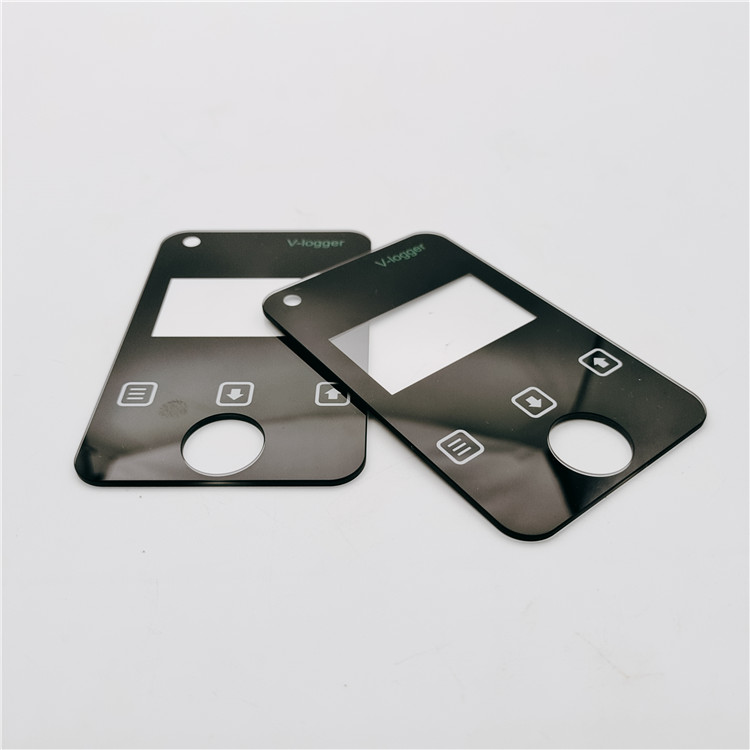
Customized Cut 1mm 2mm 3mm 4mm Instrument Printed Tempered Glass with Holes
Printed instrument glass with drilled holes for meter windows, control panels, sensor apertures and equipment fascia. Hole positions, print colors and transparent display windows are reviewed together before sampling.
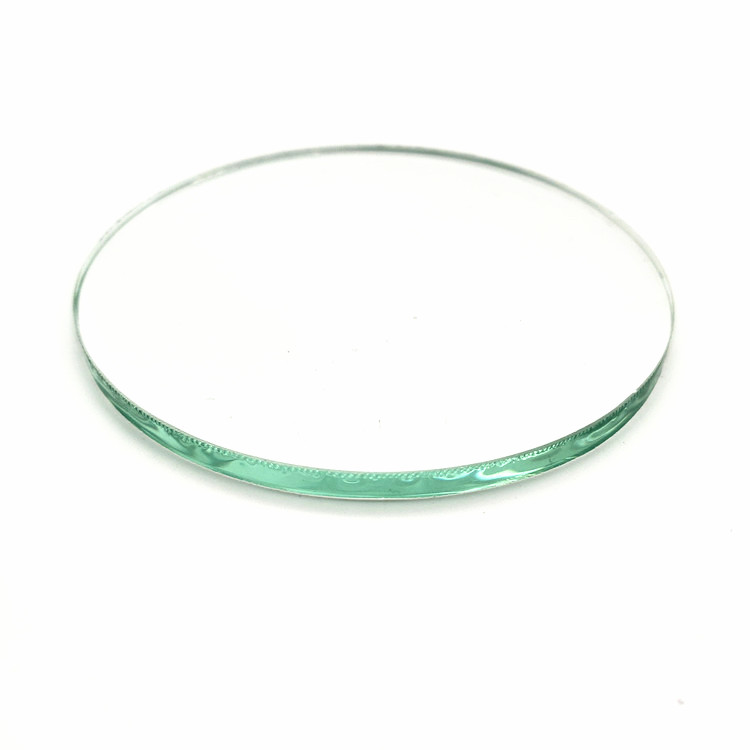
Customized Clear Flat Solid Tempered Glass Pieces 1mm–19mm for Industrial Lighting
Clear flat tempered glass from 1 mm to 19 mm for industrial lighting, machine guards and equipment covers. Choose low-iron glass for color-neutral LED fixtures or standard clear glass for cost-sensitive covers.
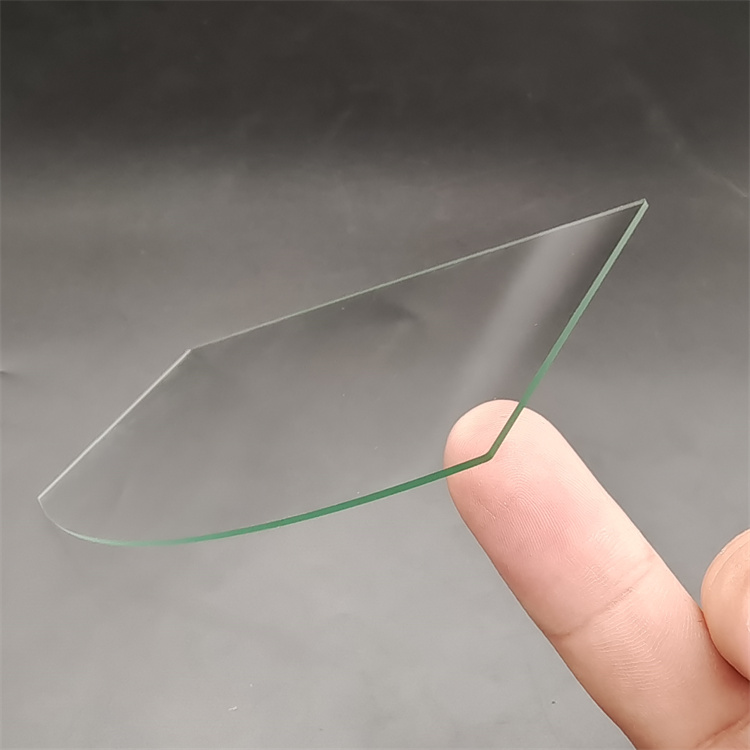
Any Size Custom 0.5–3mm Tempered Glass Screen Protector — Round, Rectangle, Triangle OEM / ODM
Flexible OEM / ODM cover glass in round, rectangle, triangle or freeform outlines. This is a practical route for Japanese smart-home, POS and wearable projects that need rapid shape changes during product development.
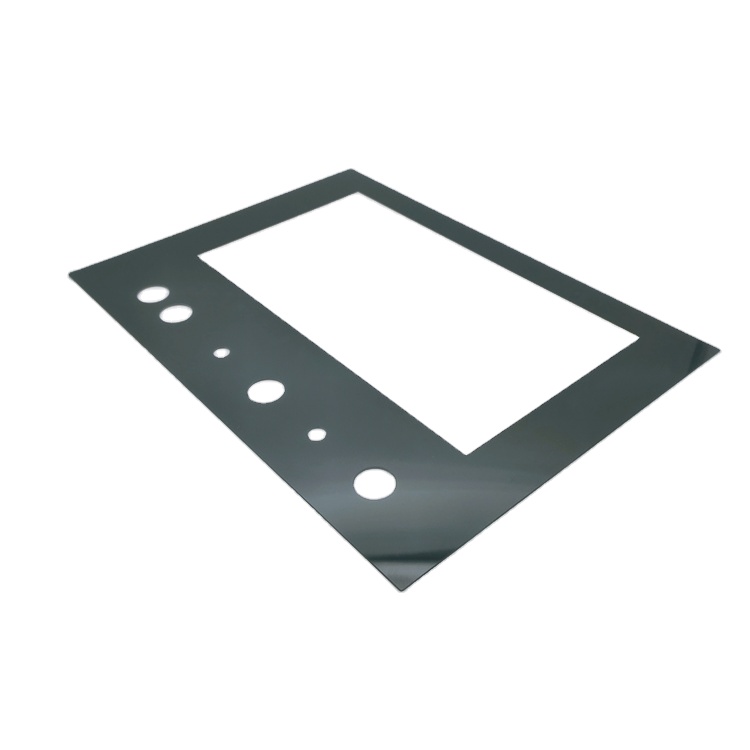
Customized Printed 0.5–6mm Flat Tempered Glass Screen Protector with Cut Holes
Printed flat tempered glass for appliance control panels, instrument windows and touch interfaces. Silk-screen and ceramic print options can hide wiring, define touch zones and carry brand graphics on the glass surface.
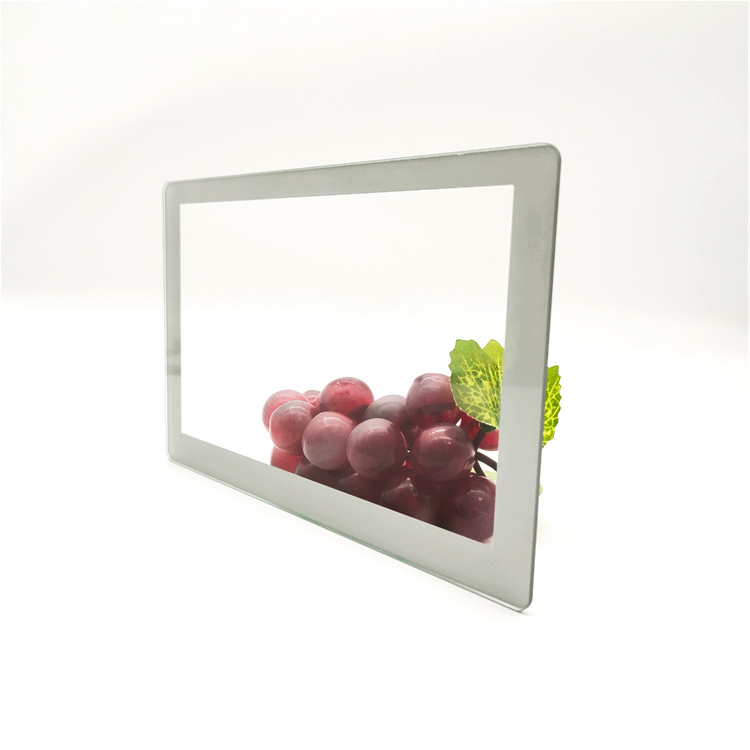
Customized High Strength Anti-Glare Frosted Tempered Glass Touch Panel for Monitor Screens
Anti-glare frosted tempered glass for touch panels and monitor screens. AG diffusion improves readability under strong indoor lighting or outdoor daylight while retaining a smooth, cleanable touch surface.
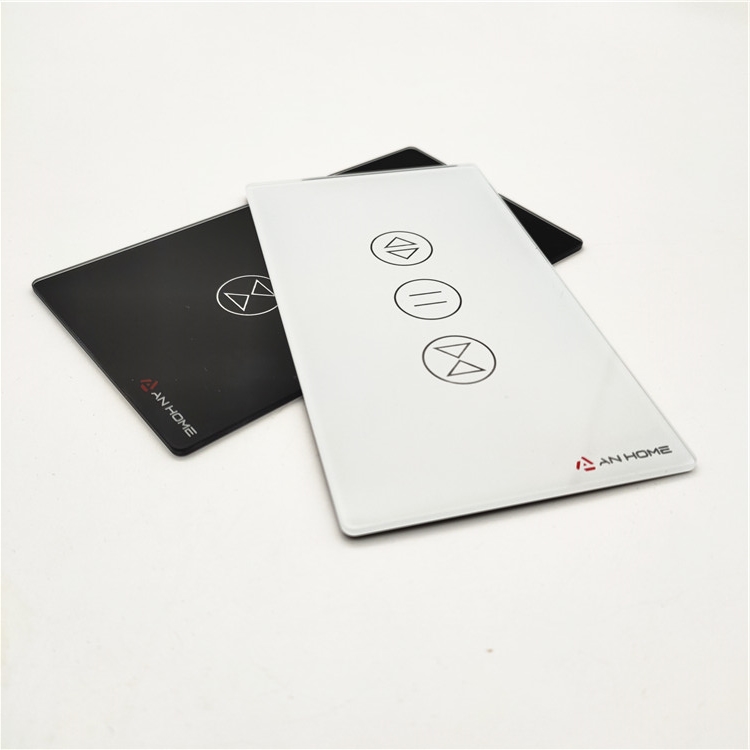
Home Smart WiFi Remote Control Touch Tempered Glass Switch Panel for Curtain Control
Smart WiFi and remote-control touch glass switch panels for curtain control and home automation. Printed icons, touch keys, borders and transparent windows can be customized to match a Japanese smart-home product line.
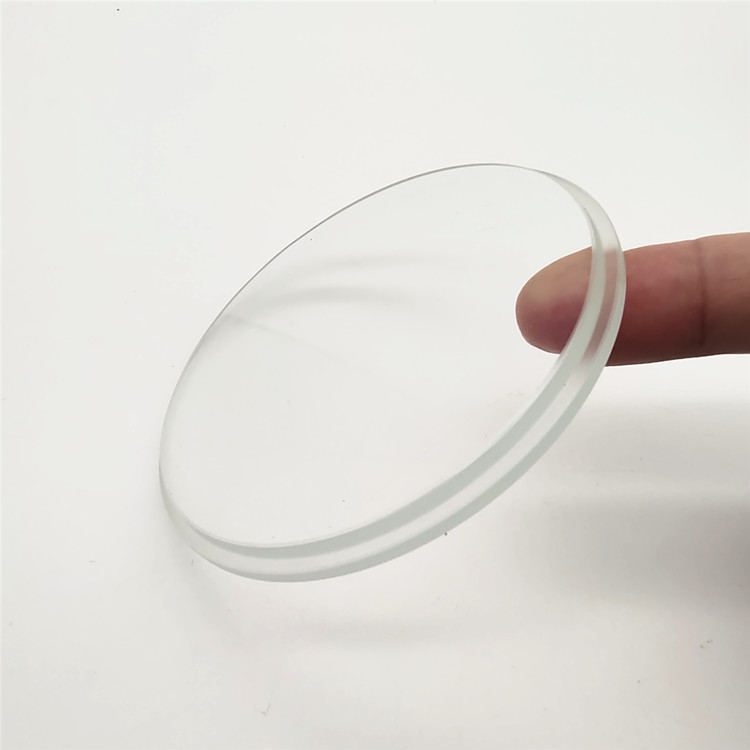
Factory Price 2mm–10mm Tempered Step Edge Glass
Tempered step-edge glass for industrial, lighting and equipment applications where a stepped edge, precise outline or robust edge profile is required. Step geometry and edge quality can be discussed during drawing review.
A Japan-Ready Glass Supply Base, Not a Trading Pass-Through
Dongguan Jaswe Glass Co., Ltd. processes custom tempered glass, ultra-clear glass, silk-screen printed glass, switch glass, AR / AG / AF coated glass, LED lighting glass and electrical equipment glass under a single quality system. For Japanese buyers, the value is not only price — it is predictable drawing review, stable sampling and export packing that protects finished glass in transit.
Where Tempered Glass Is Used in Japanese Product Programs
Japanese manufacturers often combine compact product design, high visual standards and strict assembly discipline. That makes glass specification a cross-functional decision between design, electrical, quality and procurement teams. These are the most common application scenarios we review with Japan-focused buyers.
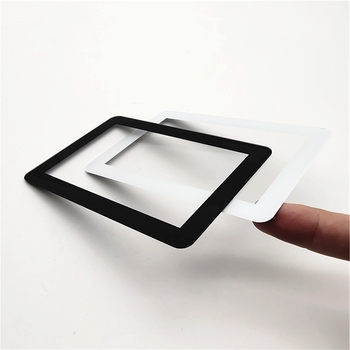
Touch & Display Electronics
POS terminals, vending interfaces, elevator panels and smart-home controls often need printed windows, precise holes and AF touch surfaces. A clean edge and consistent print window are usually more important than simply choosing the thinnest glass.
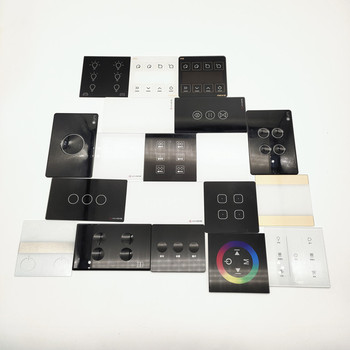
Smart Home & Switch Panels
Glass switch plates are used in Japanese smart-home renovation, hotel rooms and high-end residential projects. Common requirements include touch-key clarity, color consistency, hidden wiring masks and a surface that resists fingerprints.
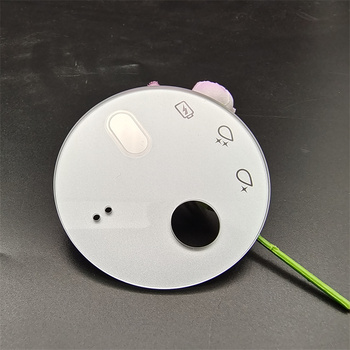
Home Appliances
Japanese kitchen and household appliances frequently use printed glass control panels. Buyers care about icon alignment, transparent display windows, heat resistance and whether the printed ink remains stable through normal cleaning cycles.
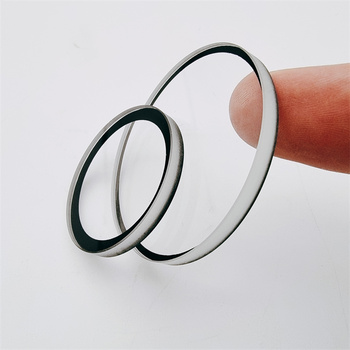
LED Lighting Fixtures
Downlights, linear lights and wall washers benefit from ultra-clear low-iron glass with clean edges and optional black or white ceramic borders. For Japan, neutral color rendering and consistent light transmission are common review points.
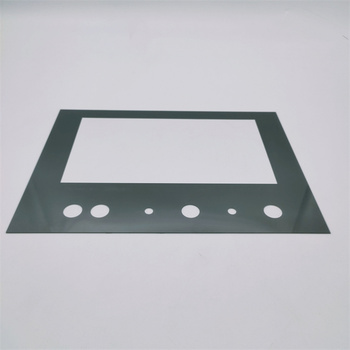
Industrial Instruments & FA
Factory automation, measurement equipment and electrical cabinets use printed instrument windows with holes for sensors, knobs and display zones. Clear tolerances and repeatable hole positions reduce assembly friction for Japanese equipment makers.
Security & Camera Devices
Printed lens covers and device windows require careful cut-outs, low distortion and clean surfaces. For outdoor or entrance-monitoring products, AR or AG treatment can improve visibility without changing the internal optical design.
Japan-Focused Procurement Trends Buyers Should Plan For
Semantic search intent for “tempered glass suppliers serving Japan” often comes from engineering and sourcing teams who need more than a product list. They want to know how a factory fits Japanese product development rhythms, quality expectations and logistics realities.
High-mix, Low-volume Development
Japanese product teams often move from prototype to pilot in small batches, then scale after internal approval. A supplier that can handle 100–500 piece custom runs, document samples and keep the same process route into mass production reduces revalidation work.
Touch Surfaces Everywhere
From smart-home switch plates to retail POS and elevator controls, glass is no longer only a cover — it is the user interface. Anti-fingerprint coating, printed icons, transparent windows and uniform backlighting are increasingly specified together.
Outdoor Readability & Humidity
Japan’s bright summer sunlight, rainy season and coastal humidity make display readability and packaging protection important. AG diffuses glare, AR raises contrast, and moisture-barrier export packing helps protect printed and coated glass before assembly.
Energy-Efficient LED & Compact Design
LED lighting and compact equipment continue to replace older fixtures. Ultra-clear low-iron glass avoids the green edge tint of standard float glass, which matters in premium lighting, appliance and display covers where color neutrality is visible.
How to Specify Glass for Japan: Thickness, Coating and Print
Use this buyer-oriented matrix to align product design with manufacturability before requesting samples. Final optical values depend on thickness, substrate, printing, coating stack and the measurement method agreed by both teams.
| Glass type / thickness | Best-fit Japanese application | Engineering note before sampling |
|---|---|---|
| 0.2–0.7 mm ultra-thin glass | Compact electronics, sensor windows, small display covers and bonded screen protection | Review handling method, adhesive type, flatness, edge quality and packing method. Ultra-thin glass performance depends as much on assembly as on the glass itself. |
| 0.7–2 mm cover glass | POS, smart-home switches, appliance panels, industrial HMIs and touch interfaces | Define print window, icon color, AF / AG coating and whether the glass is bonded to a display module or mounted with a frame. |
| 2–6 mm printed tempered glass | Control panels, LED fixtures, instrument windows and equipment covers | Choose low-iron glass for color-critical covers. Confirm whether edges are flat polished, pencil polished, matte or stepped. |
| 8–19 mm heavy tempered glass | Machine guards, industrial lighting, equipment windows and larger covers | Discuss weight, fixing method, hole locations and required impact resistance. Tempering and hole design should be reviewed together. |
| AR / AG / AF coated glass | Outdoor displays, medical-style monitors, factory HMIs and touch panels | AR reduces reflection, AG diffuses glare and AF repels fingerprints. Coatings can be combined, but the final stack should be tested on a physical sample. |
For Japanese RFQs, send DXF, DWG or PDF drawings with marked critical dimensions, edge requirements, hole tolerance, print colors and the intended cleaning or assembly process. If a drawing follows JIS-style conventions, our engineers can review it and confirm assumptions in writing before sampling.
Five Steps from Drawing to Export Packing
The workflow is intentionally simple for overseas buyers: clarify the drawing, sample the critical attributes, then lock the process route for mass production.
Send Requirements
Drawing, thickness, edge type, holes, printing colors, coating, application and estimated annual quantity.
Engineering Review
Manufacturability check, risk points and process route confirmation before sampling.
Sampling
Physical samples for fit, color, print window, edge finish and optical appearance.
Mass Production
Batch production with inspection at cutting, edging, drilling, tempering, printing and coating stages.
Packing & Shipping
Interleaved, edge-protected export packing prepared for sea or air freight to Japan.



Why Japanese Buyers Vet the Factory, Not Only the Price
Dongguan Jaswe Glass Co., Ltd. is located in Dongguan, Guangdong — a deep part of China’s electronics and appliance supply chain. The company processes and exports tempered glass, display glass, touch screen glass, silk-screen printed glass, switch glass, AR / AG / AF coated glass, electrical equipment glass and LED lighting glass.
Most of the 80+ operators have more than eight years of hands-on glass processing experience. That matters on tight-tolerance jobs such as ultra-thin 0.2 mm cover glass or multi-color printing with transparent display windows, where small handling errors become visible defects. With 26 glass processing machines and monthly output above 200,000 pieces, the factory can support both pilot builds and repeat production.
“Scientific management, careful manufacture, high quality service, striving for excellence.”
- Location
- Dongguan, Guangdong, China
- Employees
- 51–100 people
- Annual revenue
- US$2.5M – US$5M
- Main markets
- America · Europe · Asia
- Equipment
- 26 machines incl. tempering furnace
- Supplier status
- On-site verified · 6 years
For Japanese buyers, the practical advantage is a single team covering cutting, CNC shaping, polishing, drilling, tempering, printing and coating. That shortens the communication loop when a drawing changes or when a sample needs a fast manufacturability opinion.
Processes That Support Japanese Quality Expectations
Keeping critical steps under one roof reduces quality gaps between subcontractors and makes correction faster during sample approval.
Precision & CNC Cutting
Automatic cutting plus CNC shaping for rounds, notches, slots and irregular outlines.
Edge Polishing
Pencil, flat, beveled, stepped and matte edges for safe handling and clean appearance.
Hole Drilling
Holes and countersinks for buttons, sensors, cameras, knobs and mounting screws.
Thermal Tempering
Tempering strengthens glass for impact resistance and controlled breakage behavior.
Silk Screen & Ceramic Printing
Multi-color logos, icons, borders and display windows with color matching.
AG Anti-Glare Processing
Diffused matte surface that keeps screens readable under strong light.
AR Anti-Reflective Coating
Optical coating that lowers reflection and raises light transmission for brighter displays.
AF Anti-Fingerprint Coating
Oleophobic layer for touch screens — smoother glide, fewer smudges and easier cleaning.
Shipping Custom Glass to Japan: What to Lock Down Early
Glass quality can be damaged by weak packing long before it reaches the assembly line. For Japan-bound orders, confirm packing, freight route and documentation at the same time as the drawing approval.
Freeze the Drawing Early
Lock dimensions, tolerance, edge finish, print colors, coating and packaging before mass production. Late changes to hole positions or print windows are usually the biggest source of rework.
Protect Every Edge
Use interleaved paper or film, edge protection, moisture-barrier wrapping and reinforced cartons where needed. Ultra-thin and printed glass may require additional separators and orientation marks.
Choose the Freight Route
Production orders can move by sea through major South China ports or by air for urgent samples and pilot runs. Incoterms, consolidation and the buyer’s freight forwarder should be confirmed before booking.
Document the Inspection
Photos, sample approval records and packing details help align the Japanese quality team, trading company and factory. Where project-specific material declarations are required, discuss them before the PO is released.
Frequently Asked Questions from Japanese Buyers
These questions reflect the practical concerns we see when overseas buyers compare glass factories for Japanese electronics, appliance and industrial projects.
What is the minimum order quantity for custom glass shipped to Japan?
Most custom items start at 100 to 500 pieces, depending on size, printing, coating and glass thickness. Standard clear tempered pieces can often be supplied in smaller sample quantities for evaluation. For Japanese pilot projects, confirm the sample quantity and the intended mass-production quantity together so the process route does not need to be redefined later.
Can we receive samples before mass production?
Yes. Sampling is the normal route for custom printed, coated, drilled or stepped-edge glass. The sample should be reviewed for dimensions, print window, color, edge finish, coating appearance and packing method. For touch products, test the AF surface with the cleaning method your assembly line will actually use.
What should a Japanese RFQ include?
Send a DXF, DWG or PDF drawing; glass thickness; overall dimensions and critical tolerances; edge type; hole positions; printing colors or Pantone references; transparent window size; coating requirement (AR, AG, AF or combinations); application; estimated annual quantity; and any packing or documentation requirements. Mark which dimensions are critical for assembly.
Which coating is better for bright Japanese environments — AR, AG or AF?
AR anti-reflective coating is used to reduce surface reflection and increase display contrast. AG anti-glare treatment diffuses reflected light and is often chosen for outdoor signage, factory HMIs and bright retail environments. AF anti-fingerprint coating is an oleophobic top layer for touch surfaces. For outdoor touch equipment, AG + AF is a common combination; confirm final appearance on a physical sample.
How do you reduce scratches and edge chips during export packing?
Packing is matched to glass thickness, size, printing and coating. Typical measures include interleaving, edge protection, moisture-barrier wrapping, reinforced cartons and pallet protection. Ultra-thin glass, printed display windows and large covers may require additional separators or custom trays. Share your receiving and unpacking process so the packing method can be agreed before shipment.
What lead time should we plan for?
The engineering reply is usually fast — the listed average response time is within 3 hours. Actual sampling and production lead time depend on glass thickness, coating, printing, quantity and current capacity. For Japan-bound projects, allow time for sample approval, packing confirmation and freight booking rather than planning only around production days.
Can you review JIS-style drawings and communicate with our Japanese team?
Our engineering communication is primarily in English. We can review drawings with dimension callouts and confirm assumptions in writing before sampling. Many Japanese buyers work through a trading company or an English-speaking engineering contact, which helps keep specifications clear. If a drawing follows JIS-style conventions, flag any company-specific tolerances or inspection methods in the RFQ.
How do we start a custom glass project for Japan?
Send your drawing, application, thickness, coating / printing requirement and estimated annual volume. The engineering team will review manufacturability and recommend a practical process route before samples are made. You can start with the inquiry button below or email info@jasweglass.com with your files and target schedule.
Send a Drawing, Get a Manufacturability Review
Share DXF, DWG or PDF files with thickness, edge, printing, coating and estimated annual quantity. Our engineers will review the glass specification and recommend the next sampling step for your Japan-bound project.
info@jasweglass.com