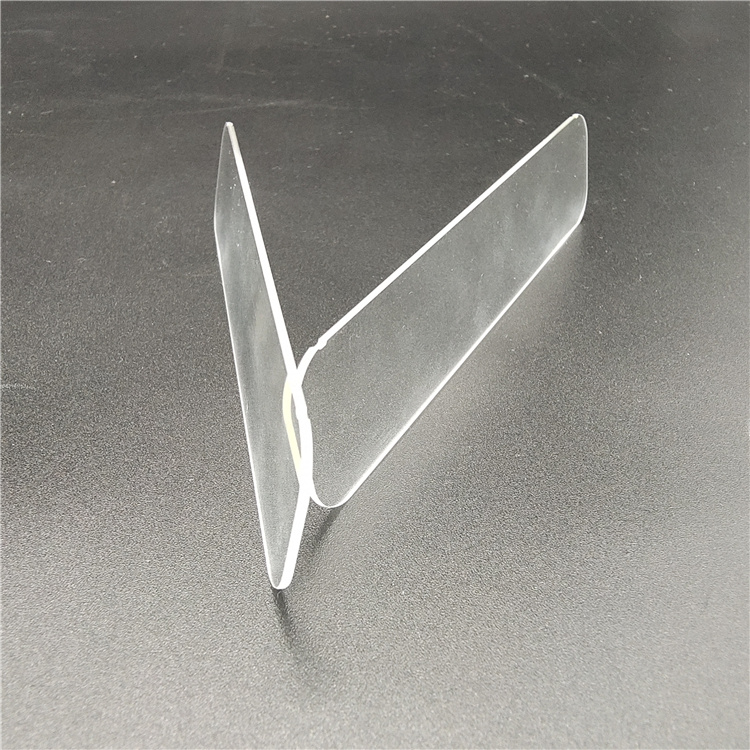
Custom Extra White 0.5mm 1mm 1.5mm 2mm Low Iron Tempered Glass Chemical Strengthened
Ultra-clear low-iron glass for black-printed touch windows, optical display covers and chemically strengthened thin panels.
Factory-direct tempered, printed and AR/AG/AF-coated black glass for medical, automotive, electronics and industrial programs crossing the U.S.–Mexico border.
From ultra-thin chemically strengthened glass to step-edge industrial panels, these formats cover the most requested RFQs from Baja California buyers.
Ultra-clear low-iron glass for black-printed touch windows, optical display covers and chemically strengthened thin panels.
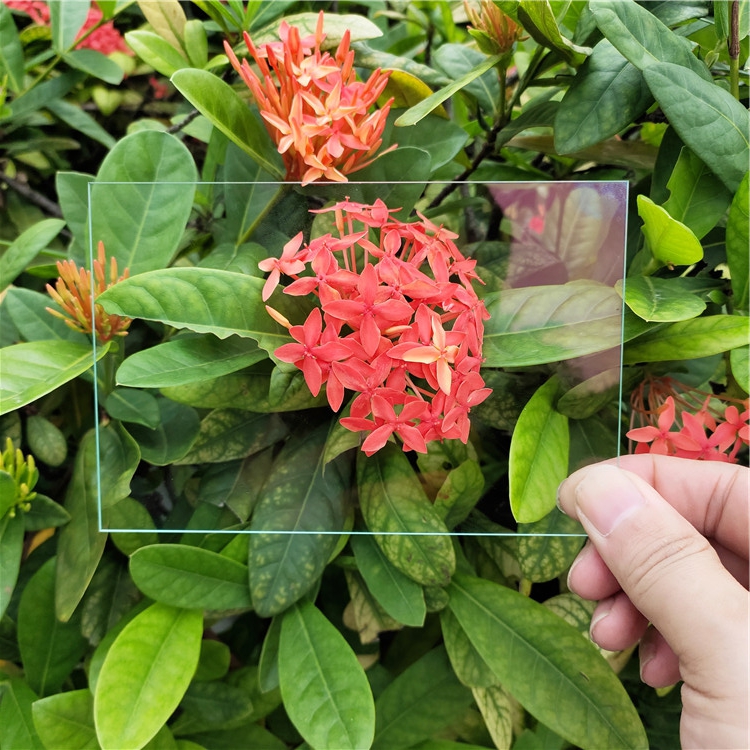
Anti-reflective tempered glass for HMI windows, instrument displays and high-transmittance optical covers.

Thin electronic-grade glass for compact devices, touch covers and space-constrained control interfaces.
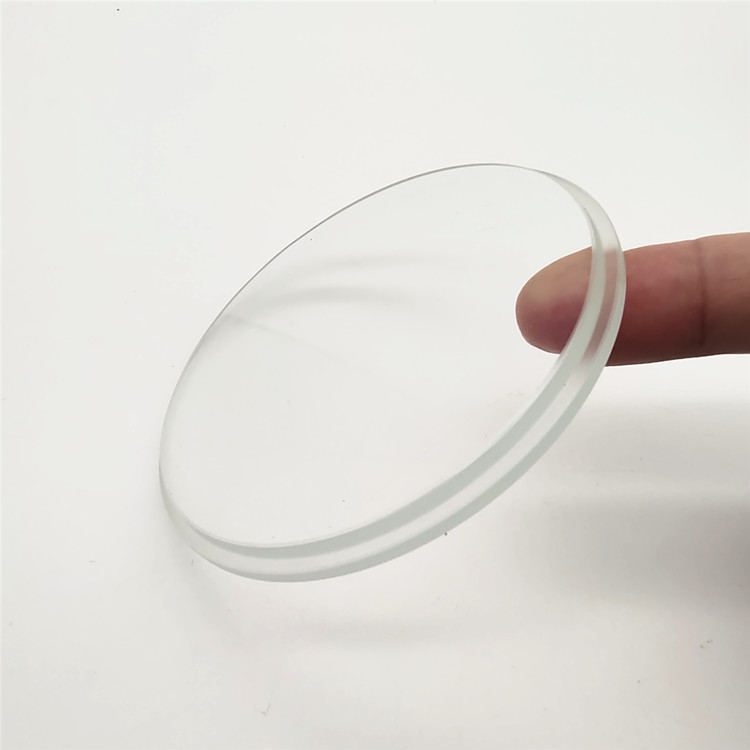
Step-edge tempered glass that can replace a separate bezel and simplify industrial display assembly.
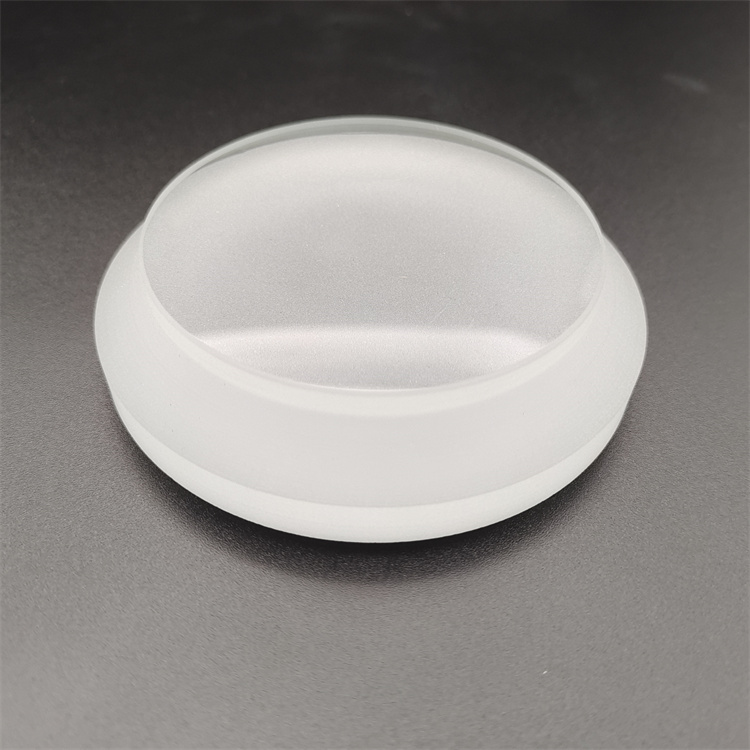
Frosted ultra-clear glass with a beveled step edge for LED fixtures, architectural lighting and diffused display windows.
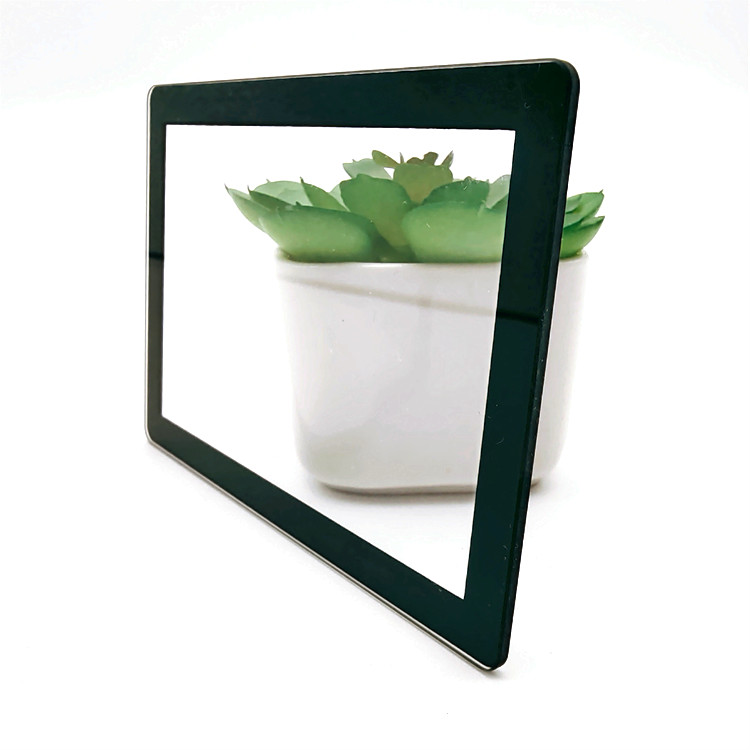
Printed display glass for industrial controls, rugged instruments and protection-focused front panels.
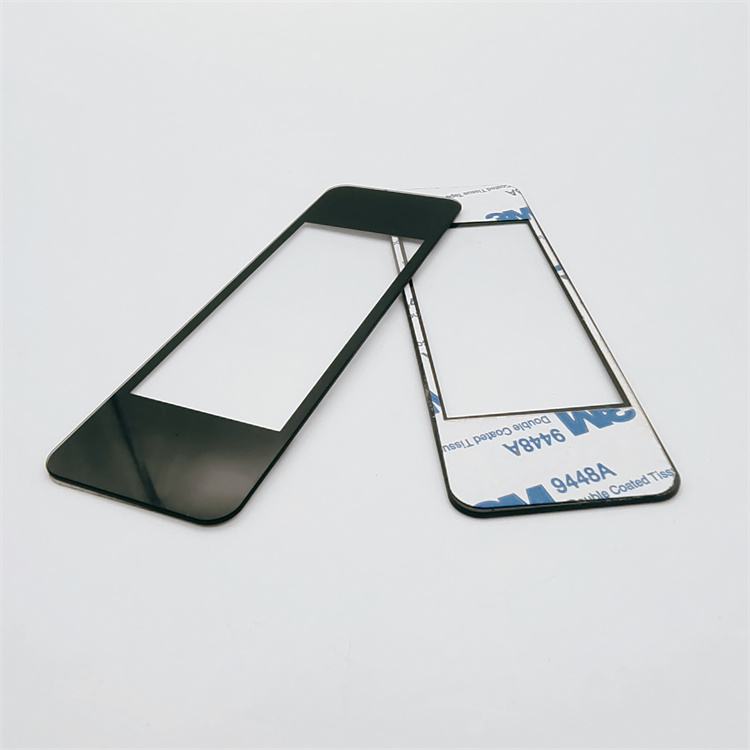
Adhesive-backed cover glass for faster final assembly, cleaner bonding and fewer handling steps in Tijuana production lines.
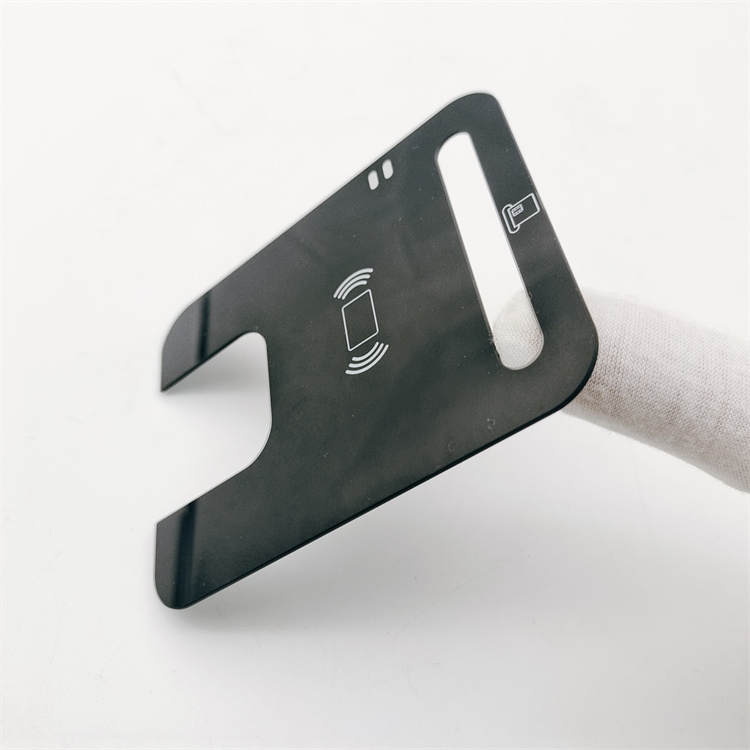
Printed cover glass with precision holes for card readers, POS terminals, kiosks and instrument windows.
All eight items can be produced with custom black printing, transparent display windows, drilled holes, 3M adhesive, AR/AG/AF coatings and export-grade packing. The product links above open detailed specifications.
Tijuana is no longer just a low-cost assembly address. It is a cross-border engineering ecosystem where medical, automotive, consumer electronics, aerospace and industrial automation teams expect factory-direct transparency. For black glass panels, the buying decision is rarely about one price point. It is about optical consistency, printed opacity, edge quality, coating durability and documentation that supports just-in-time production on both sides of the border.
For a purchasing team in Baja California, a black glass panel is often a small component with a large impact. It defines the perceived quality of a display window, protects a touch interface, hides internal wiring, carries brand graphics and sometimes becomes part of the structural stack. If the black ink is too thin, the panel can look gray under backlight. If the edge is poorly polished, the assembly line discovers it after bonding. If the coating does not match the display brightness, users experience reflections instead of clarity. That is why serious buyers evaluate a supplier as a manufacturing partner, not as a catalog wholesaler.
When Tijuana sourcing teams benchmark the top 10 black glass panel factory and wholesaler candidates, they should look for evidence of process control, sample discipline and export execution. The term “top 10” should not mean a generic directory list. It should mean a shortlist of suppliers that can prove how they cut, strengthen, print, coat, inspect and pack custom black glass for North American programs.
Cutting, CNC shaping, edge polishing, drilling, tempering, silk-screen printing, ceramic printing, AG processing and AR/AF coating should sit inside a traceable quality system. Subcontracting every step makes defect tracing slow.
Black ink looks simple, but opacity, pinholes, edge definition and color shift under different lighting separate a premium cover from a commodity panel. Ask for first-article samples and a light-box check.
Ultra-thin 0.5–1 mm covers need chemical strengthening or carefully controlled thermal processing, not just cutting. Confirm the strengthening route before approving a drawing.
AR, AG and AF coatings change optical and tactile performance. Specify single- or double-sided coating and test the full stack with your display, adhesive and cleaning process.
Most custom items start around 100–500 pieces, depending on size, printing and coating. A supplier that can provide evaluation samples reduces the risk of a costly first production run.
Tijuana buyers need stable packing, clear labels, commercial documents and a response rhythm that supports just-in-time builds. Fast engineering replies are part of the product.
The same black surface can serve very different engineering purposes. Matching thickness, printing and coating to the actual use case is the fastest way to avoid over-specification or field failures.
Black-printed windows with AR or AF coating reduce glare and fingerprint noise while keeping diagnostic screens clean and readable in clinical environments.
Center-stack, cluster and charging-interface covers often need AG treatment, ceramic-printed black borders and reliable performance through temperature cycles.
Ultra-clear 0.5–1 mm glass with precise print and 3M adhesive supports slim industrial designs and faster final assembly in cross-border production.
2–4 mm tempered panels with stepped edges, drilled holes and anti-glare surfaces protect controls in busy factory cells and equipment cabinets.
AG plus AF black glass with durable print maintains readability under sunlight, rain exposure and heavy public touch use.
Printed black switch plates with touch windows combine decorative finish with scratch resistance, easy cleaning and stable touch sensitivity.
Frosted or ultra-clear glass with black ceramic borders diffuses light while adding a premium trim to downlights, panels and wall washers.
Printed cover glass with holes for readers, cameras and sensors gives a durable front surface with clear graphics and protected openings.
Nearshoring is changing the way buyers evaluate suppliers. The winning model is not simply “lowest price per piece”; it is predictable engineering, lower line-side risk and packaging that survives a cross-border route.
As more assembly work moves to Baja California, buyers expect shorter decision cycles and fewer surprises at incoming inspection. A black glass supplier that understands production-line handling reduces rework.
Many Tijuana teams keep two qualified sources for critical display components. That makes documentation, revision control and repeatable first-article samples more important than ever.
Single-function glass is no longer enough for many touch and outdoor products. Buyers increasingly ask for AG plus AF, or AR plus AF, on the same black-printed cover.
Commercial invoice, packing list, HS classification, material declarations and inspection reports need to match the approved drawing. Missing paperwork can stop a line even when the glass is correct.
Factory-direct custom processing from Dongguan, combined with a buyer’s customs broker and cross-border consolidation, remains a practical way to balance cost, tooling flexibility and delivery control.
Optical glass can pass final inspection and still fail at the dock. Interleaved packing, edge protection, moisture control and clear labels are now part of supplier evaluation.
Illustrative priority index based on recurring RFQ and engineering-review criteria. It is a planning aid, not a market forecast.
For Tijuana programs, the most successful RFQ is not a one-page price request. It should include a drawing, the display stack, the intended cleaning chemicals, the assembly method, the annual volume and the required delivery model.
Use this matrix to align design intent with the right product family before requesting a quote.
| Application | Recommended format | Critical specification | Product path |
|---|---|---|---|
| Medical display window | 0.5–1.1 mm chemically strengthened ultra-clear glass with AR + AF | Black opacity, window edge definition, coating cleanliness | Low-iron strengthened glass |
| Automotive / EV HMI | 2–3 mm tempered glass with AG treatment and black ceramic print | Haze level, temperature performance, print durability | High-strength display glass |
| Industrial HMI | 3–4 mm tempered step-edge glass with AR or AF coating | Impact resistance, edge profile, hole position | Step-edge tempered glass |
| Smart switch / wall panel | 1–2 mm printed black glass with 3M tape | Color match, adhesive type, touch-window clarity | 1 mm glass with 3M tape |
| Card reader / POS | 1–3 mm printed tempered glass with drilled hole | Hole tolerance, decorative print, edge quality | Printed cover with hole |
| LED lighting trim | 2–4 mm frosted ultra-clear glass with black border | Diffusion level, ceramic print adhesion, edge finish | Frosted industrial glass |
Custom glass sourcing works best when engineering, sampling, production and export packing are connected. Jaswe Glass is built around that one-roof model.
Dongguan Jaswe Glass Co., Ltd. operates from Dongguan — the center of China’s electronics supply chain — with more than 80 workers and 26 glass processing machines. Our product range covers ultra-thin electronic-grade glass from 0.2 mm up to 19 mm flat tempered glass. The most requested thicknesses for display and touch covers are 0.5, 0.7, 1, 2, 3 and 4 mm.
In-house processes include cutting, special-shaped and CNC cutting, edge polishing, hole drilling, tempering, silk-screen and ceramic printing, AG processing and AR/AF coating. That matters for black glass panels because the finished part depends on how print, coating, edge and strength interact. Keeping steps under one quality system shortens lead time and removes the gaps that appear when glass moves between subcontractors.
“Scientific management, careful manufacture, high quality service, striving for excellence.”
Most of our 80+ operators have over 8 years of hands-on glass processing experience. That depth matters on tight-tolerance jobs such as ultra-thin 0.2 mm cover glass or multi-color printing with transparent display windows, where small handling errors become visible defects. For buyers who need third-party evidence, our Ratings & Reviews, Supplier Assessment and Trade Capacity pages are available for review.
Cutting, CNC shaping, edge polishing, drilling, tempering, printing, AG and AR/AF coating are aligned under one production flow.
Support for 0.2 mm electronic-grade glass through 19 mm flat tempered glass gives designers room to optimize thickness for strength, weight and appearance.
Monthly output exceeds 200,000 pieces, with a 26% buyer reorder rate and a 96.61% response rate from third-party trade records.
Send a DXF, DWG or PDF drawing and our team reviews manufacturability before samples are made. This reduces avoidable revisions in print, edge and hole design.
Inspection at cutting, edging, tempering, printing and coating stages helps catch defects before packing, not after the container reaches the border.
Interleaved, edge-protected packing and clear labels support cross-border transfer. Fast replies keep Tijuana sourcing teams aligned with production schedules.
These are the questions that appear most often during cross-border sourcing reviews for custom printed, tempered and coated glass.
Ask for an Incoterm that matches your team’s customs capability — FOB, CIF or DDP through a broker. Confirm the commercial invoice, packing list, HS classification, material declarations and any certificate of conformity. USMCA eligibility is product- and process-specific; do not assume that transfer through Mexico automatically qualifies. Your customs broker should verify origin and duty treatment before the first shipment.
Sampling often takes days to a few weeks depending on coating and printing; mass production is scheduled after sample approval, material readiness and order quantity. A factory with in-house cutting, tempering and printing usually controls more of the critical path than a trading wholesaler, but buyers should still request a written schedule with milestones. For urgent line trials, keep buffer stock until the first production lot is validated.
Most custom items start at 100–500 pieces, depending on size, printing, coating and glass thickness. Standard clear tempered pieces can be supplied in smaller sample quantities for evaluation. For Tijuana buyers, it is often smarter to validate print opacity, coating, edge quality and packaging on a small lot before releasing a larger order.
Yes. Send Pantone or color codes, the transparent window area and whether the black area must be fully opaque or only visually dark. Black ink behavior changes with glass thickness, lighting and coating. For critical displays, request a sample under your product’s actual backlight and ambient light. Low-iron glass helps avoid a green edge tone that becomes visible beside black print.
Choose by mechanical duty, not by trend. Ultra-thin 0.5–1 mm glass suits compact electronics and touch covers; 2–3 mm tempered glass is common for industrial HMI and appliance panels; 4–6 mm formats suit larger displays, outdoor kiosks and high-touch public terminals. Step-edge and printed designs can replace separate bezels, but the edge profile must be defined in the drawing.
AR reduces reflection and increases transmission; AG diffuses reflection for readability under strong light; AF adds an oleophobic top layer that resists fingerprints and makes cleaning easier. They can be combined. For Tijuana medical, automotive and outdoor programs, the right stack depends on display brightness, viewing distance, touch frequency and cleaning chemicals.
Approve a golden sample covering dimensions, black opacity, transparent window edges, holes, coating appearance, tactile feel and packaging. During production, request first-article inspection, in-process checks at printing, tempering and coating, and a final dimensional and visual report before packing. For high-volume programs, define AQL and documentation in the purchase order.
Use interleaved, edge-protected export packing with separated pockets, moisture protection and handling labels. Label boxes with part number, revision, quantity and direction. If a Tijuana buyer uses a consolidation warehouse, the supplier should confirm pack integrity for truck, rail or cross-border transfer, not just air freight.
Email info@jasweglass.com with a DXF, DWG or PDF drawing, thickness, edge type, printed colors, coating requirement, application, annual volume and target delivery. Our engineers review manufacturability before samples are made. If the design is still open, send the display stack and assembly method so the glass format can be optimized before tooling and production.
Share your glass thickness, black print window, edge profile, coating stack, hole positions and estimated annual volume. Our team will reply with process recommendations, sampling steps and export packing details.
Email: info@jasweglass.com