Top 10 Glass Processing Factories & Suppliers in Sapporo
A Hokkaido buyer’s guide to custom tempered, ultra-clear, printed, AR / AG / AF coated glass for displays, lighting, smart switches, appliances and industrial control panels.
8 Custom Glass Products for Sapporo Sourcing Projects
These eight product families cover the requests most often sent to a custom glass factory by Hokkaido electronics, lighting, appliance and instrument buyers. Each item can be quoted from a drawing, sample or existing cover-glass specification.
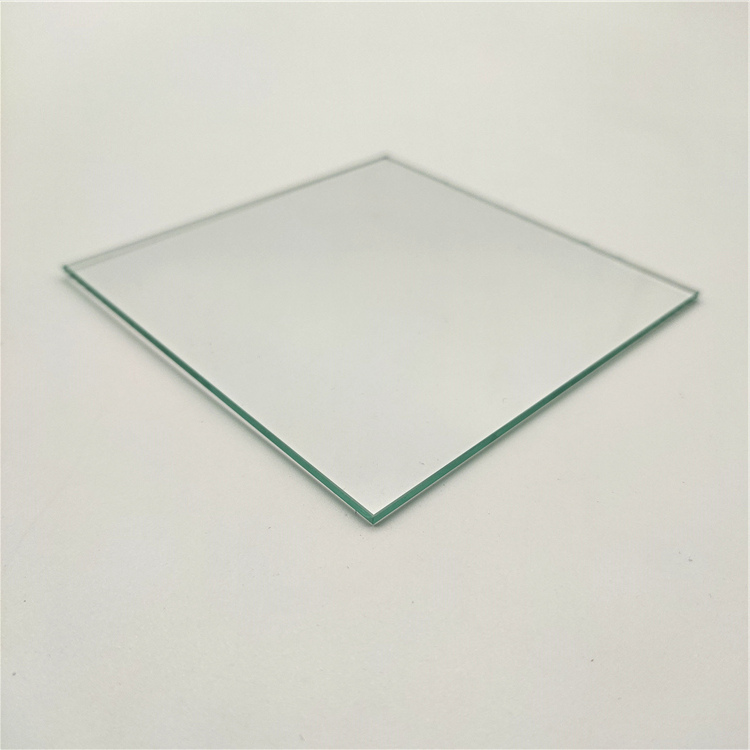
Fast Delivery Custom 1 mm Clear Glass Sheet
Useful for compact display windows, sensor covers and appliance sight windows where fast sampling and clean edge quality matter.

Custom Printed Tempered Glass Cover with Hole for Card Reader Instrument
Suits payment terminals, ticket machines and access-control devices that need printed graphics, a drilled window and high strength.
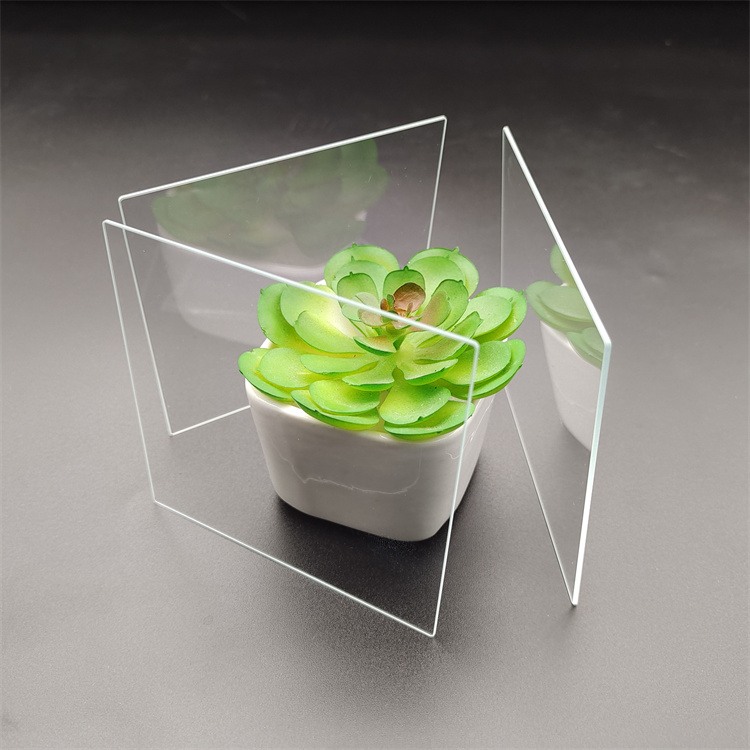
Custom 1–5 mm Tempered Extra Clear Glass Panel for LCD, LED and Appliance Covers
Low-iron glass protects LCD modules, LED light engines and appliance displays while preserving true white tone and color clarity.

Customized Small-Size 3–6 mm Beveled Edge Tempered Glass
For small control windows, instrument faces and decorative panels where a beveled edge adds safety and a premium visual finish.
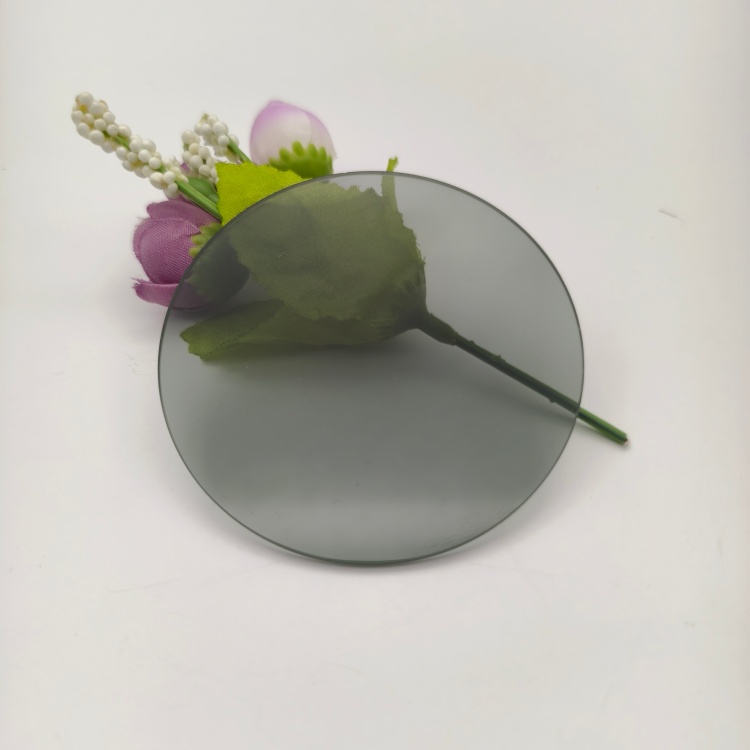
High-Strength 2–5 mm Black Tempered Glass Panels
Flat black decorative glass hides internal structures and supports clean control-panel design for appliances and smart-home interfaces.

Double-Sided Anti-Reflective AR Coating 1–4 mm Ultra Clear Tempered Glass
Reduces reflection from snow, windows and bright interior lighting, improving readability for outdoor kiosks and high-contrast displays.
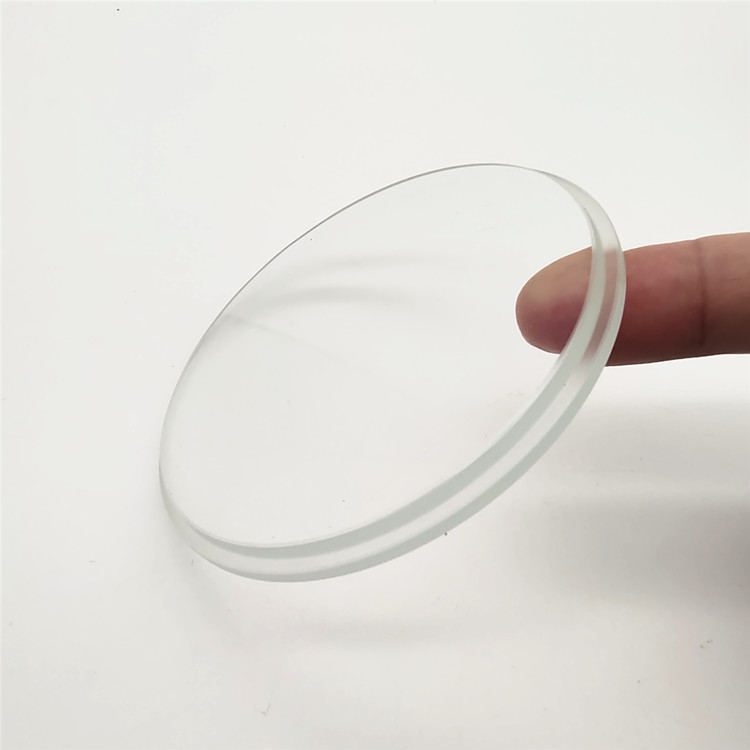
Factory Price 2–10 mm Tempered Step Edge Glass
Step-edge geometry helps locate glass covers into LED fixtures, downlights and panel lights while maintaining a clean external profile.

Customized Ultra Clear Frosted Tempered Industrial Lighting Glass with Beveled Step Edge
Combines a soft frosted diffusion effect with a beveled step edge for industrial lighting, display backlights and snow-country fixtures.
Supplier Capability Snapshot
Top 10 Glass Processing Factories & Suppliers in Sapporo: What to Compare
In Sapporo, a useful top-10 list is not ten identical factories. It is a shortlist of ten supplier profiles that together cover local installation, precision processing, printing, optical coating and export logistics. For custom electronic, lighting and appliance glass, Hokkaido buyers often combine a local glazier with an export-ready factory such as Dongguan Jaswe Glass.
Sapporo architectural glazier
Best for on-site measurement, storefront replacement and installation. Ask how they coordinate with an overseas cover-glass factory.
Use for installationHokkaido glass distributor
Useful for standard flat glass, urgent repair sheets and local handling. Confirm whether they can stock thin ultra-clear or coated glass.
Use for stock glassThin tempered glass factory
For 0.5–6 mm display covers, touch windows and instrument glass. Verify tempering, edge polishing and hole-drilling tolerances.
Use for cover glassSilk-screen and ceramic print specialist
For icons, borders, display windows and Pantone color matching. Check ink adhesion, fine-line printing and transparent-window accuracy.
Use for printed panelsAR / AG / AF optical coating supplier
For anti-reflective, anti-glare and anti-fingerprint surfaces. Ask for reflection, haze, abrasion and cleaning-durability data.
Use for optical controlLED lighting glass fabricator
For frosted diffusers, step-edge lamp covers and drilled light panels. Cold-climate fixtures need stable printing and clean thermal cycling.
Use for lighting fixturesSmart switch and control-panel maker
For printed switch glass with touch windows, adhesive backing and small-format tolerance. Important for Japanese smart homes and condominiums.
Use for switch glassIndustrial instrument cover supplier
For HMI windows, card-reader covers, vending terminals and medical devices. Look for high-mix, low-volume production discipline.
Use for industrial HMICold-climate test and logistics partner
For thermal-shock review, condensation resistance, breakage-safe packing and routes through New Chitose Airport or Tomakomai Port.
Use for risk reductionExport-ready one-stop factory: Jaswe Glass
Dongguan Jaswe Glass covers CNC cutting, polishing, drilling, tempering, printing and AR / AG / AF coating under one roof, with 200K+ pcs/month capacity.
Use for one-stop supplyWhere Custom Glass Performs in Sapporo’s Cold-Climate Environment
Sapporo’s heavy snow, low winter temperatures and strong indoor-outdoor temperature swings create conditions that standard display glass is not always specified for. The same product can perform very differently when condensation, frost, salt dust or snow-reflected light is ignored in the RFQ.
Outdoor wayfinding and digital signage
AG or AR coated tempered glass reduces snow glare and improves readability for station, ski-resort and street-facing displays.
Smart-home switches and wall panels
Printed tempered glass with anti-fingerprint coating keeps touch surfaces clean in kitchens, condominiums and rental apartments.
Appliance control panels
Ultra-clear, black or printed glass covers resist cleaning, thermal shock and daily wear in cooking, laundry and refrigeration equipment.
LED lighting for snow-country interiors
Frosted, step-edge and hole-drilled lighting glass supports clean diffusion for downlights, panel lights and wall washers.
Payment, ticketing and card readers
Printed tempered covers with drilled windows and AF coating improve durability for POS terminals, ticket machines and access control.
Industrial HMI and medical instruments
AR and AG treated glass improves contrast for meters, analyzers and control equipment used in low-light or high-glare rooms.
What Sapporo Buyers Are Changing in 2025
AR + AG + AF combinations
Projects increasingly ask for one cover glass that reduces reflection, controls glare and resists fingerprints instead of choosing only one treatment.
Cold-climate reliability questions
RFQs now ask about thermal cycling, condensation, ink adhesion and coating durability rather than only thickness and size.
Smaller lots, faster engineering
Sapporo SMEs want lower MOQs and quick drawing review. A supplier that answers within hours reduces project risk before tooling or samples begin.
Local assembly with global custom glass
Buyers use local glaziers for installation and an export factory for printed, coated or tempered glass, shipping through CTS or Tomakomai.



One Factory, Eight In-House Steps and a Sapporo-Ready QC Mindset
Dongguan Jaswe Glass Co., Ltd. is a glass processing factory in Dongguan, China, supplying tempered glass, display glass, touch screen glass, silk-screen printed glass, switch glass, AR / AG / AF coated glass, electrical equipment glass and LED lighting glass. For a Sapporo buyer, the advantage is not simply lower cost; it is fewer supplier hand-offs and fewer quality gaps between cutting, printing, coating, tempering and packing.
The public supplier profile describes 51–100 employees, 26 glass processing machines, more than 80 skilled workers, monthly output above 200,000 pieces, export markets in America, Europe and Asia, and third-party trade data including a 96.61% response rate and a 26% buyer reorder rate. Cutting, CNC shaping, edge polishing, hole drilling, tempering, silk-screen and ceramic printing, AG processing and AR / AF coating are handled under one quality system.
Most of the production team has more than eight years of hands-on glass processing experience. That matters on thin 0.2–1 mm covers, multi-color printed windows and optical coatings, where small handling mistakes become visible defects. Standard custom orders typically start at 100–500 pieces depending on size, printing and coating, and samples can be reviewed before mass production.
Eight Processing Steps That Reduce Supplier Risk
Every additional subcontractor adds a hand-off, a tolerance check and a communication delay. Keeping the following steps in one factory helps Sapporo buyers hold dimensions, colors and coating performance together.
Precision and CNC cutting
Rounds, notches, slots and irregular outlines cut from your drawing.
Edge polishing
Pencil, flat, beveled, stepped and matte edges for safe handling.
Hole drilling
Windows for buttons, sensors, cameras, knobs and mounting screws.
Thermal tempering
Stronger glass for impact resistance and safer breakage behavior.
Silk-screen and ceramic printing
Logos, icons, borders, display windows and Pantone matching.
AG anti-glare processing
Diffused surface for readable displays under strong light or snow glare.
AR anti-reflective coating
Lowers surface reflection and raises transmission for brighter screens.
AF anti-fingerprint coating
Oleophobic top layer for smoother touch and easier cleaning.
AR, AG, AF or Ultra Clear? Match the Glass to the Sapporo Use Case
| Glass Type | Problem It Solves | Best Sapporo Use | Specification Note |
|---|---|---|---|
| Ultra Clear / Low-Iron | Removes green tint and preserves true color | LED lighting covers, appliance windows, high-end display panels | Pair with white printing to avoid green edge tone |
| AR Anti-Reflective | Reduces reflection and raises contrast | Outdoor kiosks, medical displays, station signage | Double-sided AR gives the greatest gain under bright snow light |
| AG Anti-Glare | Diffuses glare from sun and interior lighting | Industrial HMIs, ski-resort displays, transport monitors | Choose haze level by viewing distance and screen resolution |
| AF Anti-Fingerprint | Repels oil and sweat on touch surfaces | Smart switches, POS terminals, ticket machines | Apply as final layer over AR or AG for touch products |
| Printed Tempered Glass | Hides wiring and adds icons, borders and windows | Appliance panels, card readers, switch plates | Send Pantone codes, window sizes and artwork tolerances |
| Black Tempered Glass | Provides a clean decorative control surface | Premium appliances, smart-home panels, instrument faces | Confirm opacity, print color and edge appearance |
Four Controlled Steps for a Custom Glass Order
Send the drawing and use case
Share DXF, DWG or PDF, thickness, edge, printing, coating, annual volume and whether the part is indoor, outdoor or touch-facing.
Engineering review and sample plan
Manufacturability review, material recommendation, coating selection and sampling plan, with an average reply target of three hours.
In-house production and inspection
Cutting, CNC, polishing, drilling, tempering, printing, AG / AR / AF coating and stage-by-stage QC before packing.
Export packing and shipping
Interleaved, edge-protected packing for air freight to New Chitose or sea freight to Tomakomai, coordinated with your local installer.
Questions Hokkaido Buyers Ask Before Ordering Custom Glass
Can a Sapporo buyer order custom glass directly from a factory in China?
Yes, for custom cover glass, printed panels, lighting glass and coated glass. Most Sapporo buyers work with a local glazier or installer for final fit and pair that with an export-ready factory for manufacturing. Send a drawing and required annual volume so the factory can confirm tooling, MOQ, packaging and shipping method.
How is custom glass shipped to Sapporo without breakage?
Export packing should use interleaved protection, edge protection, moisture control and reinforced cartons or crates. For urgent samples, air freight to New Chitose Airport is common; for production orders, sea freight to Tomakomai Port can be more economical. The factory should pack by glass size, edge type and coating sensitivity.
What glass thickness is suitable for Hokkaido cold-climate products?
Thickness depends on the housing, impact risk and optical requirement. Common display and touch-cover thicknesses are 0.5, 0.7, 1, 2, 3 and 4 mm. The factory range covers 0.2–19 mm, so a Sapporo project can use thin glass for compact electronics or thicker tempered glass for larger control panels and lighting fixtures.
Do AR, AG and AF coatings survive winter cleaning and condensation?
Coating durability depends on the coating stack, cleaning method and environmental exposure. For snow-country use, specify the cleaning chemicals, expected wipe frequency and condensation conditions during RFQ. A supplier should recommend AR, AG or AF as separate or combined treatments and provide samples for cleaning and adhesion evaluation.
What MOQ and lead time should a Sapporo project expect?
Most custom items start at 100–500 pieces depending on size, printing and coating. Standard clear tempered pieces may be available in smaller sample quantities. Lead time depends on drawing approval, sample approval, printing colors, coating type and packing requirements, so confirm both sample lead time and mass-production lead time before release.
Can Jaswe Glass match Japanese drawings and printing colors?
Provide DXF, DWG or PDF drawings with dimensions, hole positions, edge type and transparent-window requirements. For printing, send Pantone codes or approved color samples. The engineering team reviews manufacturability before sampling, which reduces miscommunication on small-format switch glass, instrument windows and printed cover glass.
What should I include in an RFQ for a custom glass project?
Include the drawing, glass thickness, outline tolerance, edge finish, hole and slot details, printing colors, coating requirement, application environment, annual quantity, target delivery date and whether the part will be touched. If the product is for Sapporo outdoor use, state snow exposure, cleaning method and condensation risk.
How do I start a custom glass project with Jaswe Glass?
Email info@jasweglass.com with your drawing, thickness, edge, printing, coating, application and estimated annual quantity. The engineering team reviews manufacturability and recommends a process route before samples are made. Buyer response data on the supplier profile includes a 96.61% response rate and an average reply within three hours.
Need a Sapporo-Ready Custom Glass Supplier?
Share your drawing, thickness, edge, printing, coating and annual volume. Jaswe Glass will review manufacturability and recommend the most practical process route for display, lighting, switch or industrial cover glass.
Get CatalogOr email info@jasweglass.com with DXF, DWG or PDF files. Typical custom MOQ: 100–500 pieces. Export packing available for air freight to New Chitose and sea freight to Tomakomai.