8 High-Transparency Glass Products for El Paso Wholesale and OEM Programs
These are the product families most often specified for display windows, touch interfaces, smart switches, LED lighting, instruments and appliance panels. Each item is made to drawing, with thickness, outline, holes, printing, edge finish and optical coating confirmed during engineering review.
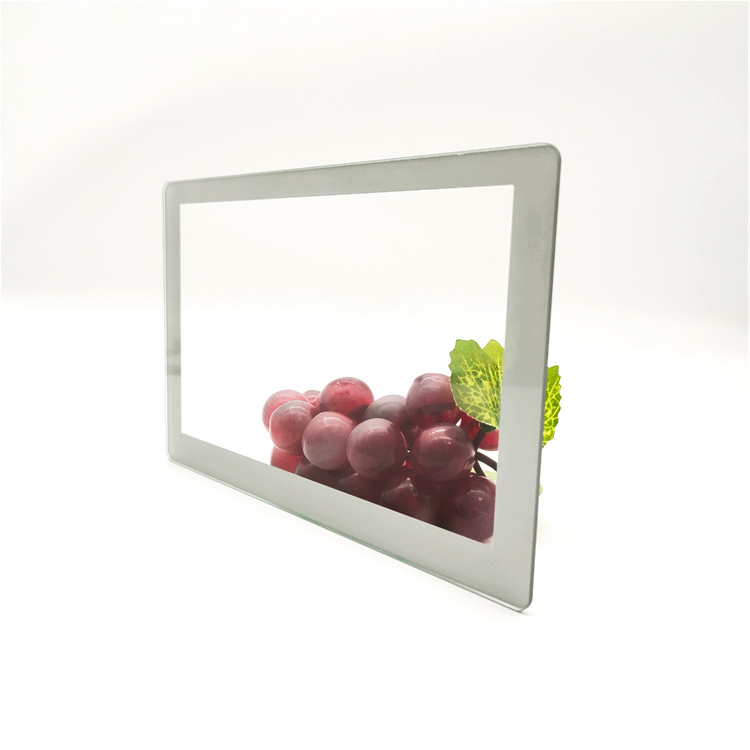
Anti-Glare Frosted Tempered Glass for LED/LCD Touch Displays
Diffuses harsh overhead or desert sunlight while protecting touch panels. A practical cover glass for outdoor kiosks, industrial monitors and public-facing HMI in the El Paso region.
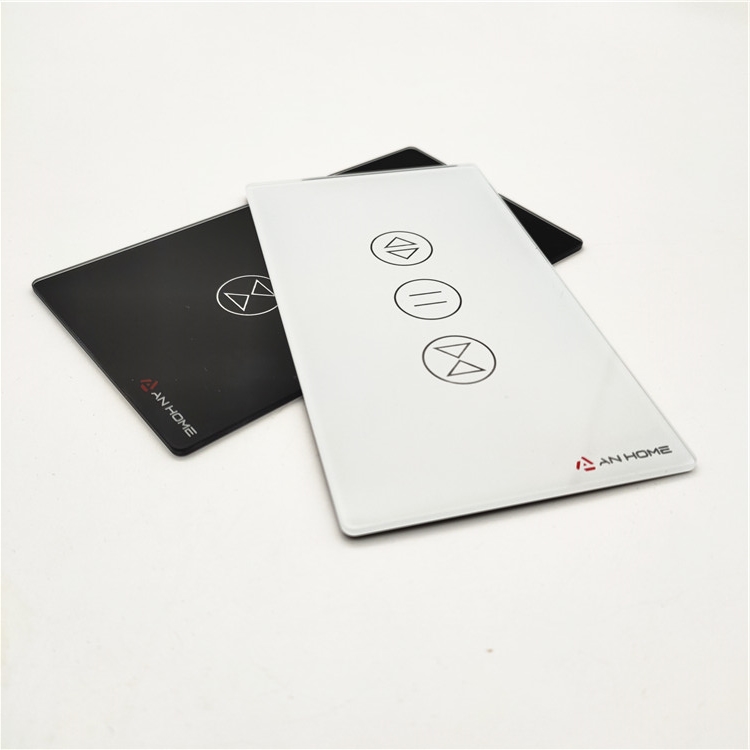
Home Smart WiFi Touch Tempered Glass Switch & Curtain Control Panel
Screen-printed tempered glass for smart home wall controls. Icons, backlit windows, color matching and anti-fingerprint treatment can be specified for repeat production.
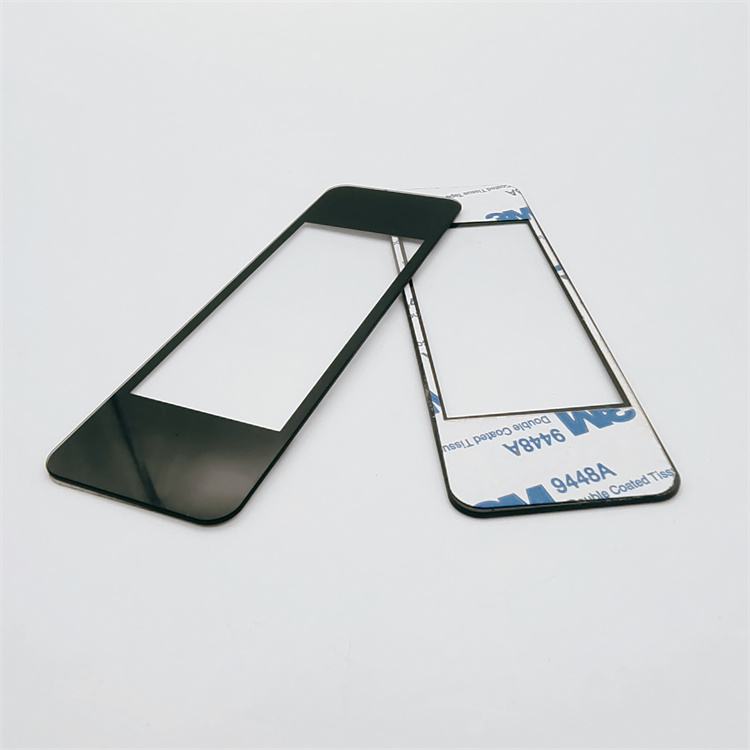
Ultra Thin 1 mm Tempered Glass with 3M Tape for Screen Covers
Lightweight protective glass supplied with adhesive for fast assembly. Suitable for portable instruments, small displays, control modules and compact electronic enclosures.
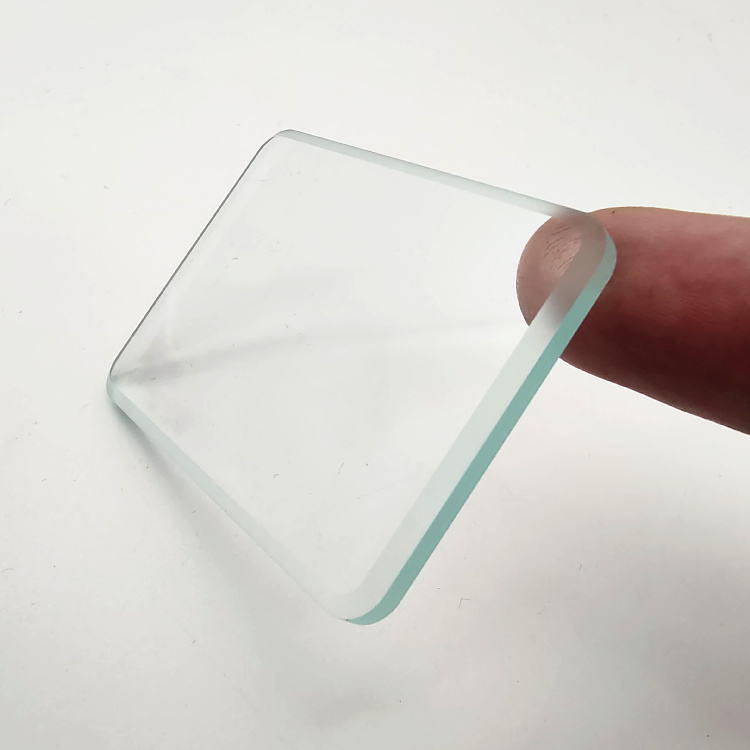
Custom Small-Dimension Tempered Beveled Edge Glass
Small-format tempered glass for sensor covers, lighting windows and premium control panels. Bevel angle, polish quality, corner radius and dimensional tolerance are defined on the drawing.
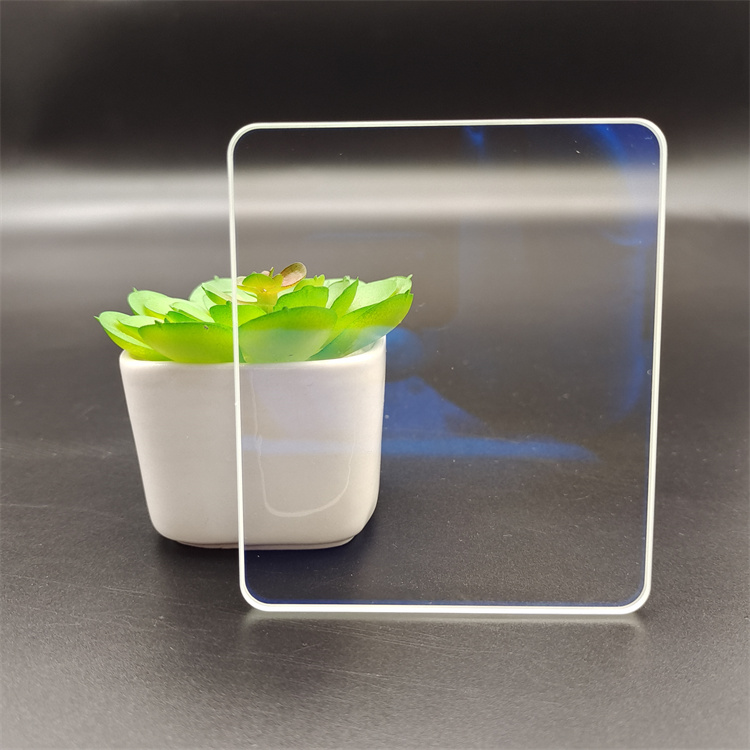
Double-Sided AR Coated Ultra Clear Tempered Glass
Two-sided anti-reflective coating improves contrast for camera windows, medical monitors and high-brightness displays. Low-iron substrate supports neutral color and high transmission.
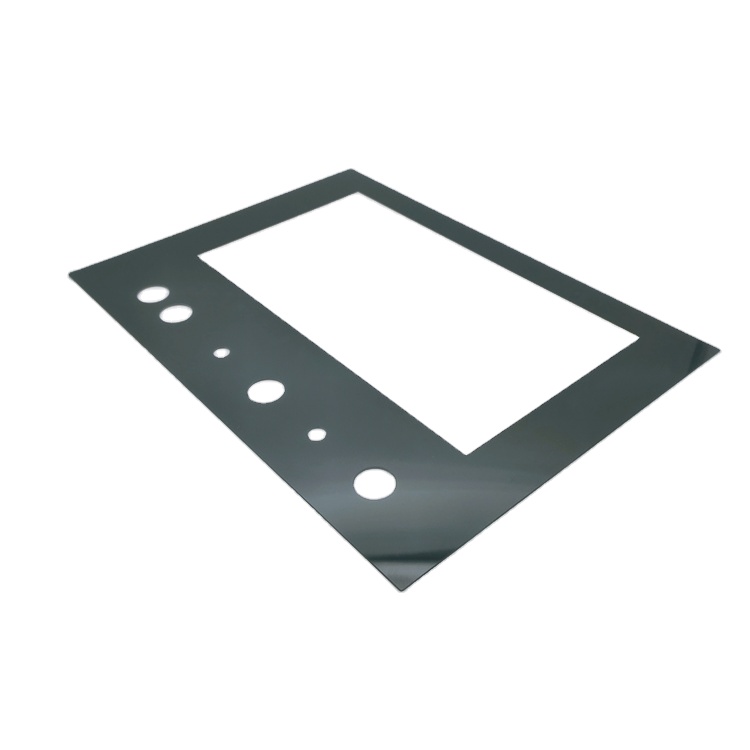
Customized Printed 0.5–6 mm Flat Tempered Glass with Cut Holes
Printed glass screen protectors with display windows, drilled holes and custom outlines. Common in appliance controls, card readers, instrument faces and equipment windows.
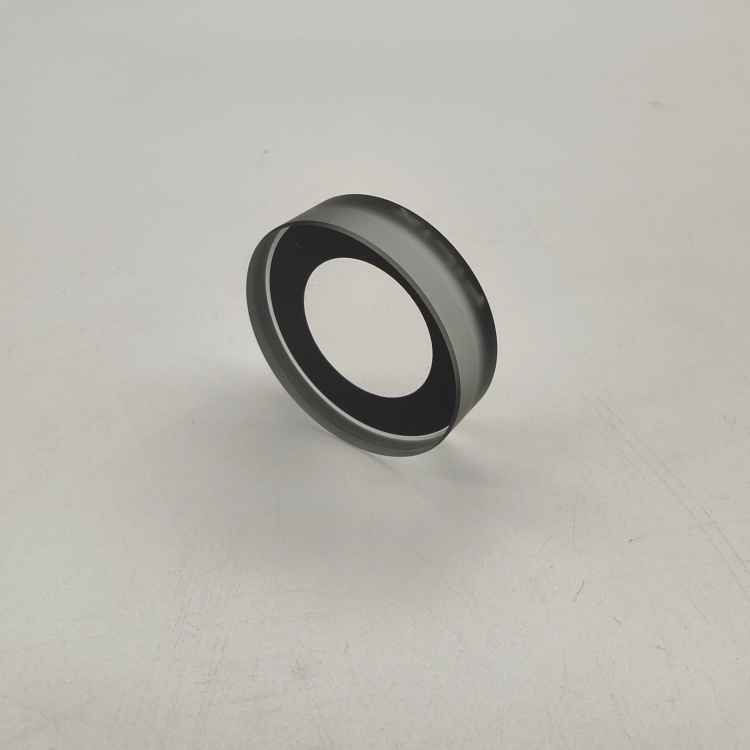
10 mm Round Tempered Glass with High-Temperature Ceramic Printing
Round tempered glass with ceramic ink for LED and lighting applications. Ceramic printing resists heat and fading better than standard inks; small diameters require careful packing.
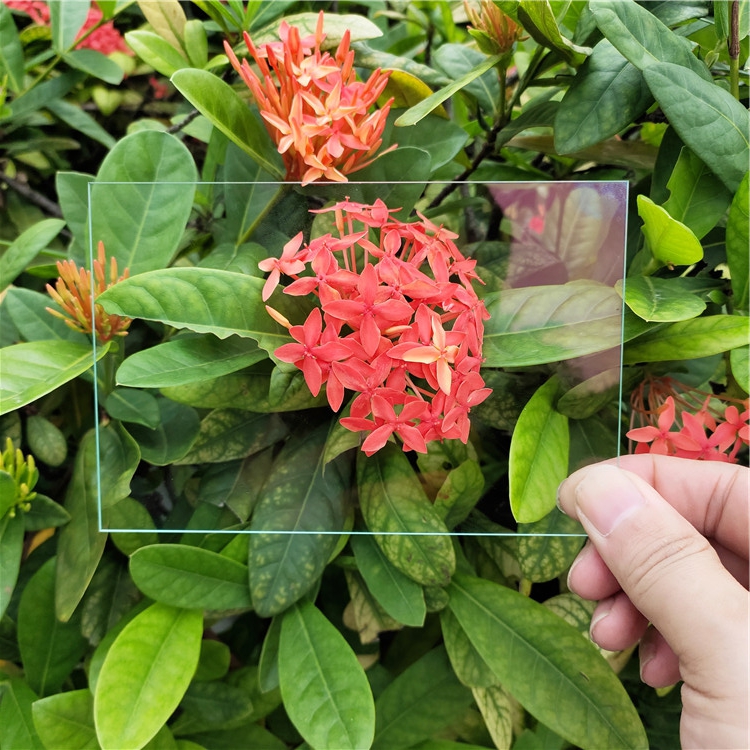
Factory Custom Optical-Quality Nano Coating Tempered AR Glass
Nano optical AR coating on tempered glass for demanding display, camera and sensor applications. Coating performance should be validated with samples for reflection, adhesion and durability.
What High Transparency Really Means in the El Paso–Juárez Supply Chain
El Paso is not simply a local search market. It is a practical sourcing gateway for OEMs, distributors and contract manufacturers that support both sides of the U.S.–Mexico border. Buyers in the region often compare a mix of local distributors, U.S. importers and direct overseas manufacturers. The right model depends on whether the program needs same-day replacement stock or engineered cover glass that is printed, drilled, tempered and coated to a drawing.
For a display, touch panel or lighting fixture, high transparency is not one specification. It can mean low-iron ultra-clear substrate, anti-reflective AR coating, anti-glare AG treatment, anti-fingerprint AF coating, or a combination of all four. A glass that looks clear indoors may still show haze, glare or color shift in a west-facing kiosk. In the El Paso climate, high-altitude sun, dust, low humidity and temperature swings make optical validation important before mass production.
This guide is not a paid league table of names. It is a Top 10 decision framework for comparing manufacturers and wholesalers serving El Paso. Use it to separate a true glass processing partner from a trading intermediary, and to match the glass specification to the real application instead of ordering by thickness alone.
Quick sourcing answer
For most El Paso OEMs, the key question is not only “Who sells high transparency glass?” but “Who can control transmission, reflection, haze, print registration, edge quality and export packing before the shipment crosses the border?”
Top 10 High-Transparency Glass Solutions to Compare for El Paso Projects
Use this shortlist to match glass type to product function. The best specification is the one that survives real lighting, cleaning, assembly and shipping conditions — not simply the one with the highest transmission number on a datasheet.
1. Ultra-clear low-iron tempered cover glass
For color-critical displays, signage and LED fixtures. Low-iron substrate reduces the green edge tint of standard float glass. Request transmission and color data, not only the word “clear”, especially for customer-facing products.
2. AR anti-reflective coated glass
Use when reflection hides the screen. Single- or double-sided AR coating can improve contrast for medical monitors, camera windows and industrial HMI. Validate reflectance and transmission after tempering, not before.
3. AG anti-glare glass
For outdoor kiosks, EV chargers and west-facing windows in El Paso. AG diffuses specular reflection, but too much haze softens text. Select haze level by viewing distance and screen resolution, then test under local sun.
4. AF anti-fingerprint touch glass
For smart switches, POS terminals, medical interfaces and public touch panels. An oleophobic surface improves cleanability, but it must survive the cleaning agents used by the end customer. Confirm abrasion and chemical resistance.
5. Printed tempered switch glass
Smart-home and commercial switches need icons, backlit windows, color matching and hidden wiring zones. In-house printing and tempering reduce coordination risk when the part must fit an existing electronics assembly.
6. LED lighting cover glass
Architectural, high-bay, linear and wall-washer lighting requires heat tolerance and consistent diffusion or clear transmission. Ceramic printing and polished edges improve appearance and safety. Long, thin formats need robust export packing.
7. Appliance control panel glass
Appliance OEMs and contract manufacturers in the border corridor need 0.5–6 mm glass with holes, cutouts and printed graphics. A stable supplier should control flatness and print registration across batches to reduce assembly scrap.
8. Industrial instrument window glass
Electrical equipment, utilities, process control and oil-and-gas panels may need AR for readability, AG for bright sites and precise holes for buttons or sensors. Drawings should identify the viewing area and gasket zone.
9. Small-format beveled edge glass
For sensors, optical covers, premium switches and compact lighting. Beveled and polished edges improve appearance and reduce chipping risk. Specify whether the bevel is cosmetic or functional before sampling.
10. Nano AR optical glass
For high-end display, camera, security and sensor applications. Nano coating can be tuned for low reflection and easy cleaning. Request sample data for adhesion, abrasion, humidity and transmission before production.
Where High-Transparency Glass Goes to Work in El Paso and the Juárez Corridor
El Paso buyers rarely source glass in isolation. The glass must fit a display module, a switch housing, a lighting fixture or an instrument panel — and it must arrive ready for assembly.

Outdoor digital signage and EV charging kiosks
El Paso sunlight can wash out displays and reveal reflections that were invisible in a laboratory. AG anti-glare glass controls reflected light, while AR coating improves contrast. Add AF for touch screens exposed to dust and public use.
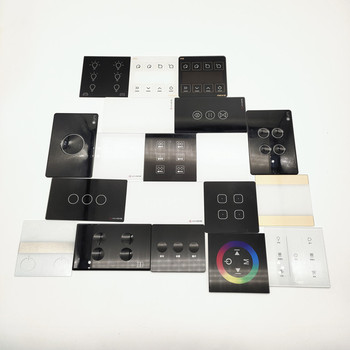
Smart buildings, hotels and commercial switches
Printed tempered glass panels can include icons, backlit windows and brand colors. For hotels, offices and residential developments, AF coating helps maintain a clean appearance in high-touch areas.
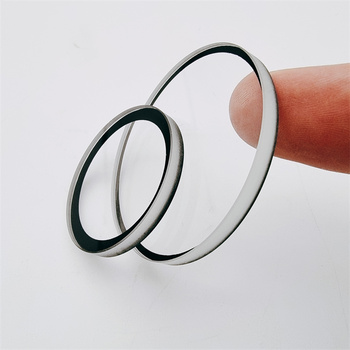
LED lighting and architectural fixtures
Warehouse, retail, parking and façade lighting often uses clear or diffused glass covers. Ultra-clear low-iron glass preserves color temperature, while ceramic printing gives durable borders and light-control zones.
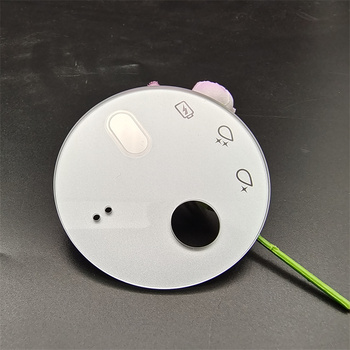
Appliance and electronics assembly
Contract manufacturers and maquiladoras need repeatable thickness, print registration and hole positions. A direct glass processor can support drawing reviews, sampling and batch production without adding another trading layer.

Industrial instruments and electrical equipment
Instrument windows and HMI covers often combine AR, AG, printed borders and CNC holes. For utility, manufacturing and process-control buyers, optical clarity and dimensional consistency are part of equipment safety.
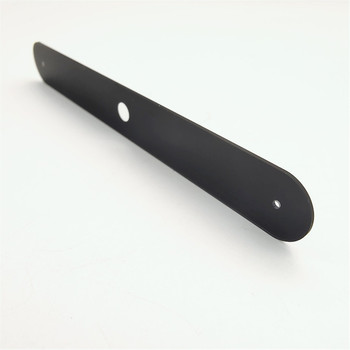
Medical, security and optical devices
Camera windows, sensor covers and medical display glass may require low reflection, easy cleaning and precise cut-outs. Nano AR, AF and tempered substrates can be combined, but samples should be tested under the final cleaning process.
Localized Trends Shaping High-Transparency Glass Demand
Procurement teams in El Paso are balancing nearshoring, border logistics, product customization and lower tolerance for optical defects. These four trends affect supplier selection.
Nearshoring and supply resilience
More OEMs are reviewing suppliers for the El Paso–Juárez corridor as they shorten supply chains. A manufacturer that controls cutting, tempering, printing and coating can reduce hidden subcontracting risk.
Desert-climate optical performance
High-altitude sun and reflective industrial environments make AG more valuable than ever. Buyers are asking for AG plus AF, then validating readability under real outdoor light rather than showroom conditions.
Touch-first control interfaces
Smart switches, EV chargers, appliances and public kiosks use more glass surfaces. Thin tempered glass, precise print windows and anti-fingerprint treatment are becoming standard requests.
Traceability and border documentation
Wholesalers and OEMs want clear drawings, packing lists, material and QC records, and export-ready cartons. Bilingual communication and predictable documentation help reduce delays at the border.



Why Jaswe Glass Is a Practical Manufacturing Partner for El Paso Buyers
Dongguan Jaswe Glass Co., Ltd. is a glass processing manufacturer in Dongguan, China. Its capabilities align with custom high-transparency projects: precision cutting, CNC shaping, hole drilling, edge polishing, tempering, silk screen and ceramic printing, AG processing, and AR / AF coating. The company reports 26 glass processing machines, more than 80 workers and monthly output above 200,000 pieces.
For El Paso buyers, the advantage is not a local storefront. It is manufacturing depth and process control. Most of the team’s value comes from reviewing manufacturability before samples are made, then keeping critical steps under one roof so glass does not move between unrelated subcontractors. That matters on parts with multi-color printing, transparent display windows, ultra-thin 0.5–1 mm substrates or double-sided optical coatings.
Public trade data also helps buyers compare suppliers objectively. Jaswe’s profile shows on-site verification, a 96.61% response rate, approximately 3-hour average response time and a 26% buyer reorder rate. For a distributor or OEM program, those signals are more useful than a generic “low price” claim, because they indicate how quickly engineering questions are answered and whether repeat buyers return.
Jaswe supports El Paso procurement teams with drawing review, physical samples, English documentation, export-grade interleaved packing and coordination with freight forwarders. If your program requires a local warehouse with same-day stock, compare that service separately. If it requires custom high-transparency glass, printed control panels, LED covers, appliance glass or AR / AG / AF coated display windows, a direct manufacturer can remove several coordination layers from the supply chain.
Send an InquiryFive Steps from Drawing to El Paso Delivery
A clear process shortens quoting and reduces the risk of a sample that cannot be manufactured economically at production volume.
Send drawing and requirements
Share DXF, DWG or PDF files, thickness, edge type, printing colors, coating requirement and estimated annual volume.
Engineering review
Review manufacturability, tolerance, glass grade, coating sequence, MOQ and packaging needs before quotation.
Sampling
Physical samples for fit, print color, edge appearance and optical performance. Outdoor applications should test samples under local light.
Mass production
Batch production with inspection at cutting, edging, tempering, printing and coating stages before final packing.
Packing and shipping
Interleaved, edge-protected export cartons with clear labels. Coordinate with your freight forwarder for El Paso delivery.
High-Transparency Glass Purchasing Questions
These are the practical questions distributors, OEMs and maquiladora buyers ask when comparing glass manufacturers and wholesalers for the El Paso market.
Do you ship high-transparency glass to El Paso, Texas?
Yes. Export shipments can be coordinated with sea or air freight and your preferred forwarder. We provide commercial invoices, packing lists, labels and production documentation as required for the order. The importer or customs broker confirms final cross-border clearance requirements.
Can you support maquiladora or Juárez-bound production programs?
Custom glass can be packed and labeled for a U.S. or Mexico-bound flow through the El Paso–Juárez corridor. Send the consignee details, labels and documentation requirements during quotation so logistics are built into the packing plan.
Which glass is best for strong El Paso sunlight?
For outdoor readability, start with AG anti-glare glass to diffuse reflected sunlight. Add AR if display contrast is critical, and add AF for touch surfaces exposed to fingerprints, dust or cleaning. Test a sample under west-facing afternoon sun before approving the final haze and coating stack.
What is the difference between AR, AG, AF and ultra-clear glass?
Ultra-clear low-iron glass improves substrate color and transmission. AR coating reduces surface reflection. AG treatment diffuses glare. AF coating resists fingerprints and oil. These are different solutions and can be combined, such as AG + AF for an outdoor touch kiosk or AR + AF for a medical touch display.
What is the minimum order quantity for custom glass?
Most custom items start around 100–500 pieces depending on size, printing and coating. Standard clear tempered pieces may be available in smaller sample quantities for evaluation. MOQ is confirmed after drawing review because small glass parts and multi-color printing can affect handling cost.
What information should I send to get an accurate quote?
Send a 2D drawing, thickness, glass type, edge finish, hole and cut-out requirements, printing colors or Pantone references, coating requirements, application, annual volume and destination. If you need El Paso delivery, include the preferred Incoterm and whether the shipment is destined for Texas or cross-border production.
Have a Drawing Ready? Get a Manufacturability Review.
Share your glass specification, annual quantity and El Paso delivery requirements. Our team will review thickness, tempering, printing, AR / AG / AF coating and export packing before your project moves to sampling.