Why Low Reflection Glass Is a High-Value Component for Monterrey Manufacturers
The search phrase “Top 10 Low Reflection Glass Supplier & Exporter in Monterrey” is usually typed by engineers, purchasing managers and product owners who need a reliable shortlist, not a directory page. In Monterrey, reflection control is a functional requirement because strong daylight, high-bay plant lighting, vehicle interiors, outdoor kiosks and bright showrooms can reduce display contrast and make touch interfaces harder to use.
Low reflection glass helps restore legibility for displays and control panels used across Nuevo León. In practical terms, buyers are usually comparing four families: AR anti-reflective coated glass, AG anti-glare treated glass, AF anti-fingerprint coated glass, and ultra-clear low-iron tempered glass. Each solves a different physical problem. AR reduces surface reflection and increases transmitted contrast. AG diffuses reflected light so a screen stays readable under strong ambient light. AF creates an oleophobic surface that repels oil and sweat. Ultra-clear glass removes the green tint of ordinary float glass so colors, white graphics and printed borders look cleaner.
For Monterrey projects, the decision is rarely just about the coating name. A supplier must also control substrate quality, tempering, edge polishing, hole drilling, silk-screen or ceramic printing, coating adhesion, cleaning, packing and export documentation. That is why this guide includes a 10-point supplier scorecard after the product and application sections. It turns a keyword-driven search into a due-diligence process that purchasing teams can use when comparing local distributors with overseas exporters.
What “low reflection” changes on the factory floor
- Display contrast: AR coating reduces front-surface reflection so operators can read HMI screens near windows or factory lights.
- Sunlight readability: AG diffuses glare for outdoor kiosks, EV charging stations and digital signage exposed to Monterrey’s strong daylight.
- Touch cleanliness: AF coating lowers fingerprint visibility on capacitive touch panels, smart switches and POS terminals.
- Safety and handling: tempered glass provides controlled breakage behavior for covers exposed to impact or public use.
- Assembly fit: edge profiles, holes, print windows and step edges must match the housing, gasket and PCB stack.
8 Low Reflection Glass Products Recommended for Monterrey OEMs
These eight product routes cover the most common Monterrey sourcing requests: AR display covers, industrial lighting glass, printed instrument windows, LED lighting covers, thin electronic glass and custom tempered panels. Each product image is linked to its original product page.
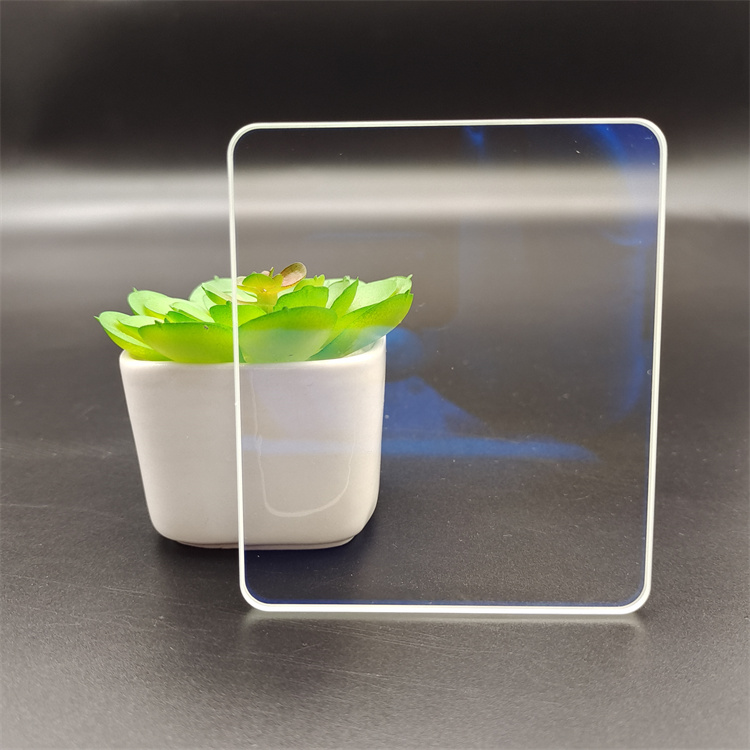
Both Sides Anti Reflective AR Coating 1mm 2mm 3mm 4mm Ultra Clear Tempered Glass
A strong first recommendation for bright showrooms, medical displays and automotive interfaces where both front and rear reflections can wash out contrast. The ultra-clear substrate supports printed borders, windows and optical bonding review.
View product details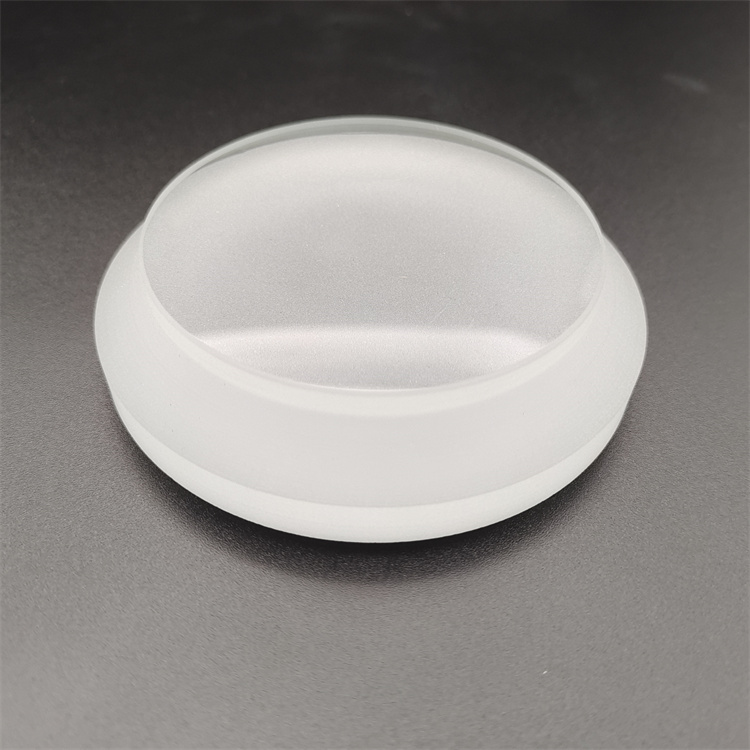
Customized Industrial Lighting Solid Flat Ultra Clear Frosted Tempered Glass with Beveled Step Edge
Suited to high-bay lighting, warehouse fixtures and commercial luminaires. Frosted ultra-clear glass diffuses light while the beveled step edge supports clean seating into the fixture and safer handling during installation.
View product details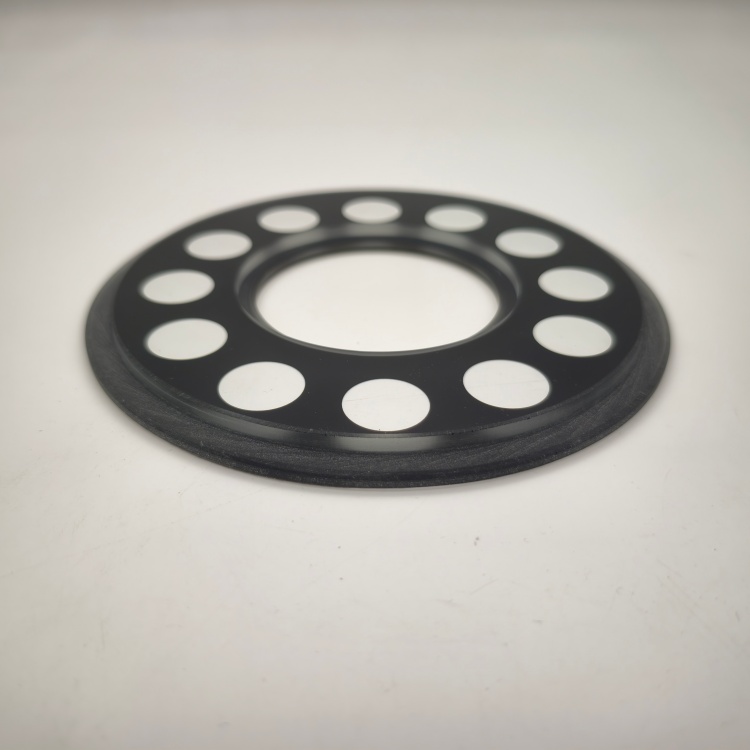
Factory Customized Round Hole Inner and Outer Double Step Edge Printed Tempered Glass for LED Lighting
A fit-focused option for LED lighting assemblies that need holes, printed areas and stepped edges to locate lenses, screws and gaskets. The inner and outer step profile can reduce chipping risk during assembly.
View product details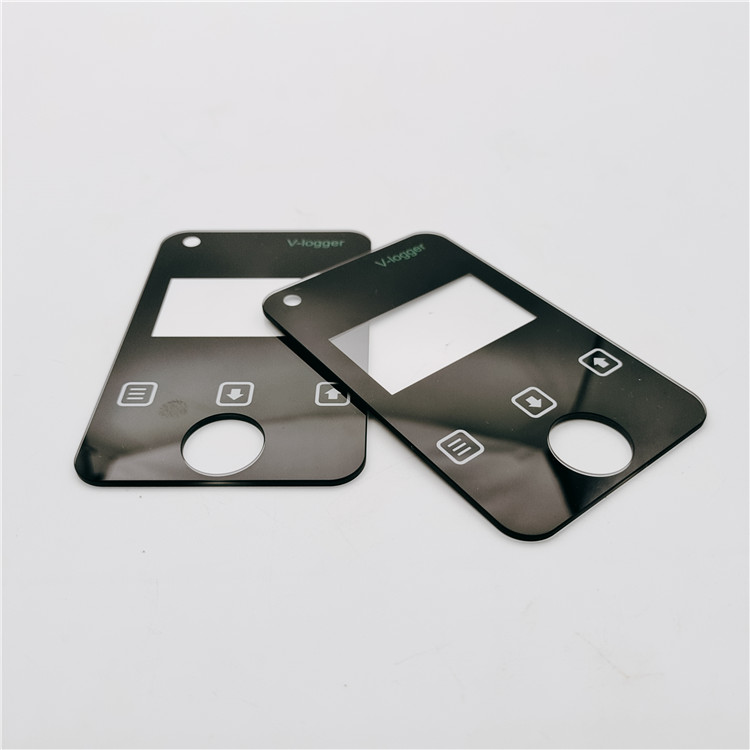
Customized Cut 1mm 2mm 3mm 4mm Instrument Printed Glass With Holes
Designed for meters, control panels and compact electronic instruments that combine printed graphics, viewing windows and mounting holes on one tempered panel. Good for buyers who need repeatable fit on a production line.
View product details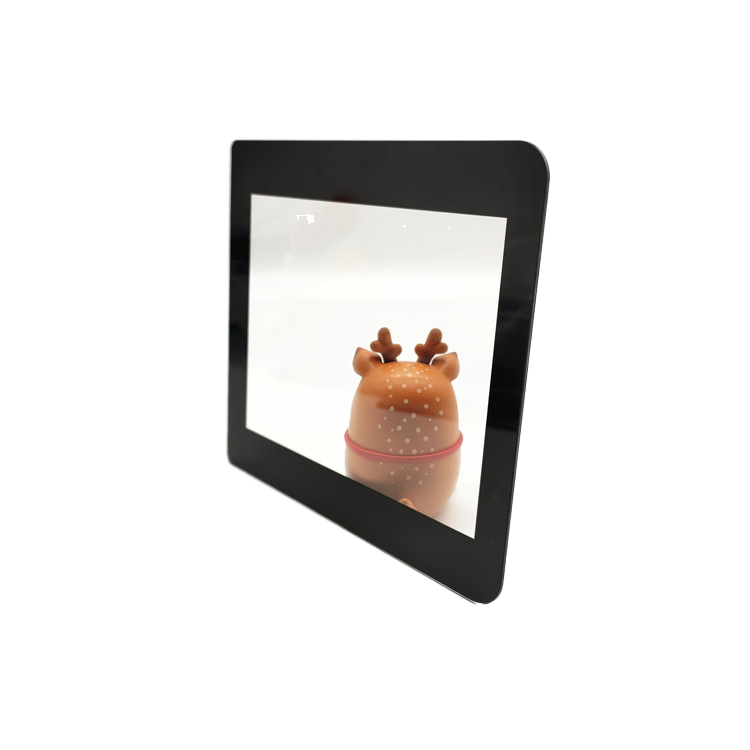
Industrial Use Electronic Glass 1mm/2mm/3mm/4mm Tempered Glass Display Screen Window Protection Cover
A practical cover glass for industrial electronic equipment, shop-floor HMIs, outdoor cabinets and control-room displays. It protects the screen from impact, dust and cleaning while supporting AR or AG treatment options.
View product details
Customized Ultra Clear 0.5mm 0.7mm Thickness Ultra Thin Tempered Glass
Recommended for compact electronics, wearable displays and slim appliance interfaces where weight and stack height matter. The low-iron substrate keeps color neutral when paired with white, gray or metallic housings.
View product details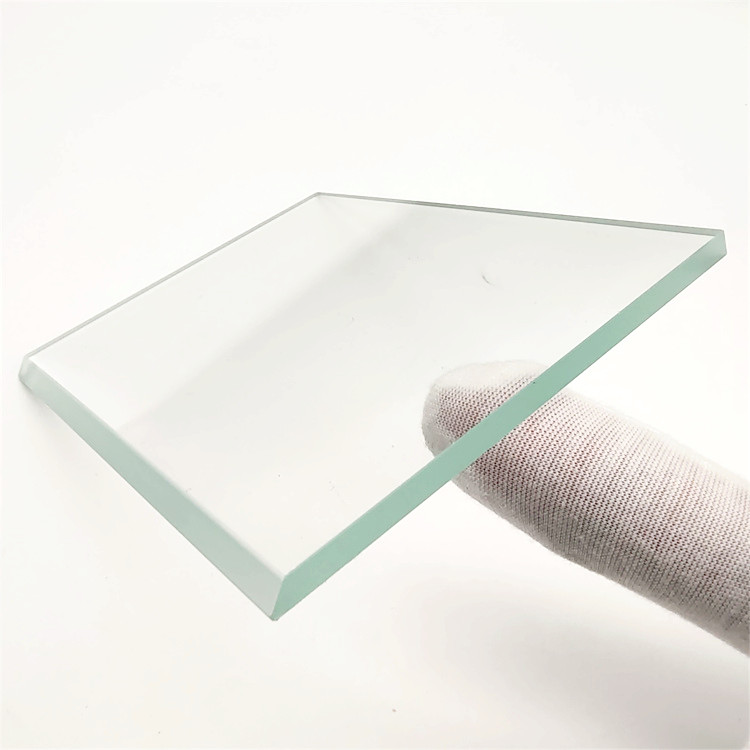
Customized Small Size 3mm 4mm 5mm 6mm Beveled Edge Tempered Glass
Small beveled-edge panels are suitable for appliance controls, switch plates and compact instruments where exposed edges must feel smooth. Beveling also helps reduce chipping during packing, handling and end-user installation.
View product details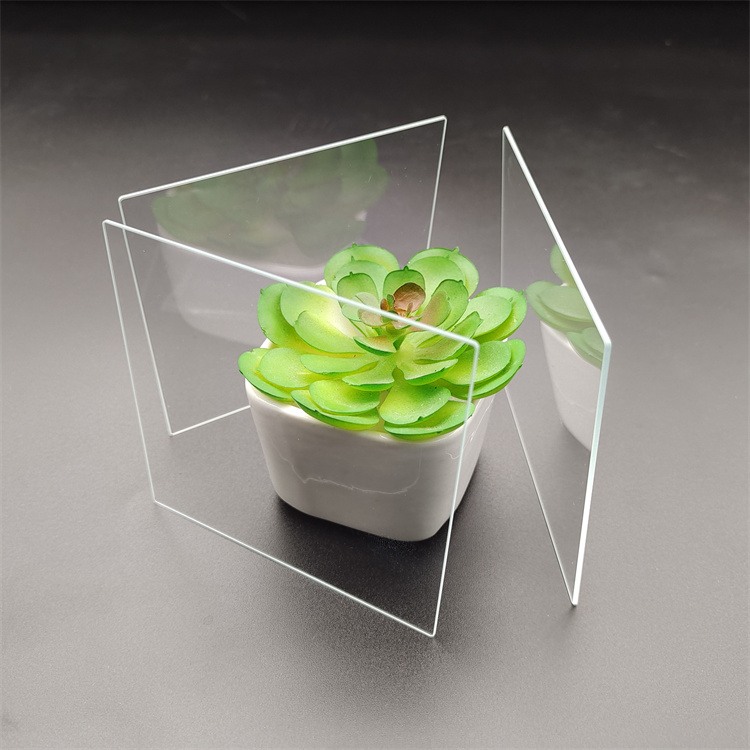
Custom 1mm 2mm 3mm 4mm 5mm Tempered Extra Clear Glass Panel for LCD Screen / LED Light / Electronic Appliance Cover
A flexible extra-clear base panel for LCD screens, LED lighting and electronic appliance covers. It can be developed with AR, AG, AF or printed graphics after an engineering review of the final application.
View product detailsWhere Low Reflection Glass Is Used Across Monterrey’s Industrial Ecosystem
Monterrey’s manufacturing base includes automotive, appliance, electronics, medical, lighting and industrial automation supply chains. A low-reflection cover glass specification should be written around the actual viewing condition, not only the product category.
Automotive & EV Interface Displays
Center-stack displays, instrument clusters, charging-station interfaces and cabin control panels can suffer from window glare and bright overhead light. AR-coated and AG-treated tempered glass helps maintain contrast while the cover remains impact resistant.
Industrial HMI & Instrumentation
Factories and warehouses in Apodaca, Santa Catarina and the wider Monterrey metro area use HMIs, meters and machine-control panels. Printed tempered glass with holes, windows and low-reflection treatment keeps information readable in demanding plant environments.
Outdoor Digital Signage & Kiosks
Monterrey’s strong daylight makes outdoor readability a real specification issue. AG anti-glare glass diffuses reflected sunlight, while AR coating can increase transmitted contrast. For public touch kiosks, an AF top layer reduces fingerprint buildup.
Appliance Control Panels
High-end kitchen and household appliances benefit from ultra-clear printed tempered glass with smooth beveled edges. Low reflection improves the readability of icons and displays without making the panel look like a raw electronic component.
Medical, Laboratory & Diagnostic Displays
Medical monitors, diagnostic equipment and laboratory instruments rely on high contrast and neutral color. Double-sided AR coating, ultra-clear substrate and precise print windows help protect image quality in clinical and laboratory environments.
Smart Buildings & Touch Switches
Smart switches, access-control panels and building-automation interfaces combine decorative printing with touch functionality. AF coating, anti-glare treatment and tempered glass create a durable surface for commercial and residential projects.
Local Trends Shaping Low Reflection Glass Demand in Monterrey
Procurement conversations in Nuevo León are changing. Buyers are not only asking for a glass panel; they are asking for optical performance, traceability, packaging protection and a supplier who can communicate engineering details before tooling begins.
Shorter Supply Chains and More Documentation
Nearshoring continues to expand automotive, appliance and electronics production in and around Monterrey. Buyers want faster samples, bilingual communication, consistent quality records and packing that survives cross-border and ocean freight. Exporters must behave like engineering partners, not catalog sellers.
AR + AG Combinations for Readability
High-brightness displays are appearing in outdoor kiosks, EV chargers, industrial vehicles and smart-city projects. In bright environments, a single treatment may not be enough. AR lowers surface reflection, while AG diffuses the remaining glare. The correct haze level depends on viewing distance and pixel density.
Thin Tempered Glass with Printed Windows
Automotive and EV electronics demand thin, strong cover glass with clean edges, printed hiding areas and precise holes. Buyers increasingly compare step-edge quality, flatness, print alignment and coating durability before approving mass production.
Anti-Fingerprint Touch Interfaces
Touch switches, access panels and building-automation terminals are becoming common in commercial projects. AF coating improves the feel and cleanliness of the surface, but it must be applied over a properly cleaned substrate and compatible AR or AG stack to avoid adhesion issues.
AR vs AG vs AF vs Ultra Clear: Which Glass Fits Your Monterrey Project?
Use this matrix during design review. Treatments can be combined, but the final coating stack must be matched to the display, touch sensor, housing and lighting conditions.
| Glass Type | What It Solves | Typical Monterrey Use | Engineering Tip |
|---|---|---|---|
| Ultra Clear Low-Iron | Removes the green tint of standard float glass for cleaner colors and brighter white printing. | Display covers, LED lighting, premium appliance panels and printed windows. | Pair with white or light-color printing to avoid a greenish edge tone. |
| AR Anti-Reflective | Reduces surface reflection and increases transmitted contrast for clearer information. | Medical monitors, automotive displays, camera covers and industrial display windows. | Specify single- or double-sided coating. Double-sided AR gives the largest gain where both sides are visible. |
| AG Anti-Glare | Diffuses reflected light from sunlight or overhead lamps so the screen remains readable. | Outdoor kiosks, EV charging interfaces, industrial HMIs and digital signage. | Choose haze level by viewing distance. Fine haze suits high-resolution displays; stronger haze may suit large outdoor panels. |
| AF Anti-Fingerprint | Repels oil and sweat, reduces smudge visibility and improves touch feel. | Capacitive touch panels, smart switches, POS terminals and public kiosks. | Apply as a top layer over AR or AG for touch products, then validate abrasion performance. |
| Printed Tempered Glass | Hides wiring, adds logos, creates windows and supports appliance or instrument graphics. | Switch plates, appliance controls, LED lighting and instrument panels. | Send Pantone references, transparent window dimensions and hole positions with the drawing. |
Final optical values depend on thickness, substrate, coating stack and bonding method. Sample testing is recommended before mass production.
Inside Jaswe Glass: The Exporter Behind the Low Reflection Glass Program
Dongguan Jaswe Glass Co., Ltd. is an export-oriented glass processor in Dongguan, Guangdong, China. For Monterrey buyers, the value is direct access to custom cutting, tempering, printing and AR / AG / AF coating under one roof, with freight planned from China to Mexico.
Glass Processing Expertise from China’s Electronics Supply Chain
Jaswe Glass processes custom tempered glass, ultra-clear glass, display cover glass, touch screen glass, silk-screen printed glass, switch glass, AR / AG / AF coated glass, electrical equipment glass and LED lighting glass. The company is located in Dongguan, a major electronics and manufacturing hub, and serves buyers in America, Europe and Asia.
For Monterrey projects, this model is different from buying from a local reseller. The buyer deals directly with a manufacturer that can review drawings, recommend a coating stack, produce samples and then run volume production. The trade-off is that freight and import planning must be handled deliberately, usually through a Mexican customs broker and a logistics route into Nuevo León.
“Scientific management, careful manufacture, high quality service, striving for excellence.”
- Location
- Dongguan, Guangdong, China
- Employees
- 51–100 people
- Annual Revenue
- US$2.5M – US$5M
- Main Markets
- America · Europe · Asia
- Capacity
- 200,000+ pieces per month
- Supplier Status
- On-site verified · 6 years

Cutting, CNC shaping, edge polishing, hole drilling, tempering, silk-screen printing, ceramic printing, AG processing and AR / AF coating are kept close together to shorten lead time and reduce quality gaps between subcontractors.
Many production workers have years of hands-on glass processing experience. That matters on tight-tolerance work such as 0.5 mm and 0.7 mm ultra-thin cover glass or multi-color printing with transparent windows.
The supplier reports an average response time of about 3 hours and a 96.61% buyer message response rate. Fast feedback helps Monterrey buyers close drawing questions before sampling.
Current range covers ultra-thin electronic glass from 0.2 mm to 19 mm flat tempered glass. Common display and touch thicknesses are 0.5, 0.7, 1, 2, 3 and 4 mm, with beveled, flat, pencil, stepped and matte edge options.
Inspection is performed across cutting, edging, tempering, printing and coating stages. Export packing uses interleaving and edge protection to reduce breakage during ocean freight and final trucking.
A reported 26% reorder rate from lighting, electronics and appliance buyers is a useful signal for Monterrey purchasing teams comparing new suppliers. Reorders are not a substitute for sample testing, but they show production consistency.
The 10-Point Low Reflection Glass Supplier Scorecard for Monterrey Buyers
A “Top 10” shortlist is only useful when the criteria are visible. Use these ten checks to compare suppliers, distributors and exporters before committing to tooling or mass production.
Coating Specification Clarity
Ask for single- or double-sided AR, target reflectance, transmittance and the intended viewing condition. Vague “low reflection” claims are not enough for engineering approval.
Substrate Quality
Confirm whether the glass is standard clear or low-iron ultra-clear. Color neutrality matters for white printing, LED lighting and premium appliance panels.
Tempering and Safety
Verify tempering capability for the selected thickness. Thin glass and small parts need process control to avoid distortion, edge damage or inconsistent strength.
Edge and Hole Precision
Check whether the supplier can produce beveled, stepped, polished or matte edges and drill holes without chips. Request first-article dimensions and visual criteria.
Printing and Color Matching
For printed switch, appliance or instrument glass, ask how Pantone references, transparent windows, registration and ink durability are controlled.
AR / AG / AF Stack Compatibility
Combining coatings can improve performance, but the stack must be compatible. Ask about adhesion, cleaning method, abrasion testing and environmental exposure.
Sample Cycle and Data
Request physical samples, thickness measurements, print alignment checks and optical comparison under realistic lighting. Sample speed matters before a Monterrey launch date.
Export Packing and Traceability
Confirm interleaving, edge protection, carton strength and batch identification. Glass can survive production only to fail in transit if packing is not designed for export.
Logistics to Monterrey
Plan whether freight will enter Mexico through Manzanillo, Altamira or another port, then move by truck into Nuevo León. Incoterms, customs broker and insurance should be clear.
Communication and Reorder Evidence
Check response speed, English or Spanish documentation support, engineering feedback quality and repeat-order history. Good communication reduces hidden costs after the PO.
Questions Monterrey Buyers Ask Most About Low Reflection Glass
These are the practical questions that usually appear after a buyer has identified an application and is ready to compare samples, MOQ and shipping routes.
What does “low reflection glass” mean for a Monterrey buyer?
Which product should I choose for an outdoor display or EV charger in Monterrey?
Can Jaswe Glass ship custom low reflection glass to Monterrey?
What is the minimum order quantity for custom glass?
How do AR, AG and AF compare for touch panels?
Can you support Spanish documentation and quality reports?
Request an Engineering Review for Your Monterrey Low Reflection Glass Project
Share your drawing, thickness, edge profile, printing colors, coating requirement, application and estimated annual volume. The review can identify the right glass family, sample path and export packing approach before a PO is issued.
info@jasweglass.com · Custom tempered · Ultra clear · AR / AG / AF coated glass