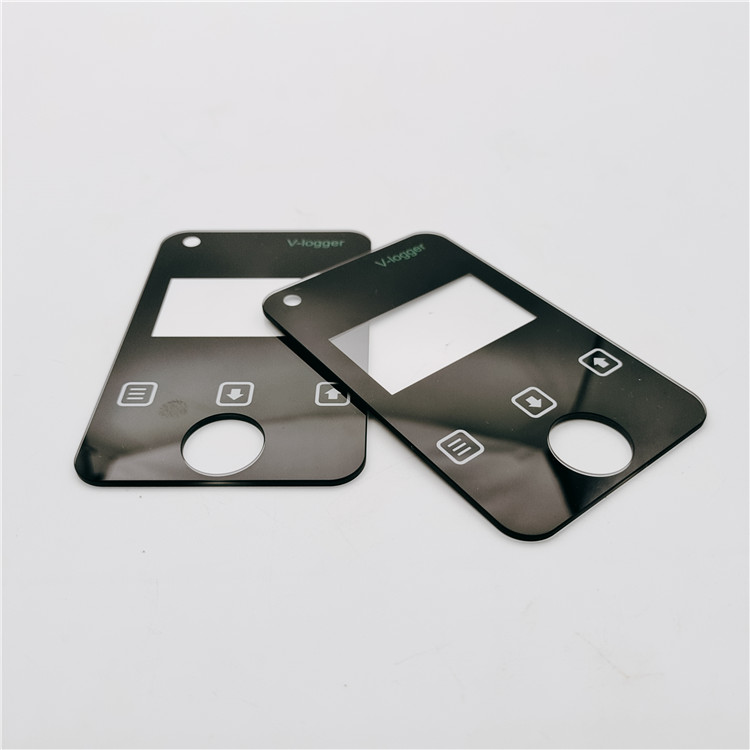
Instrument
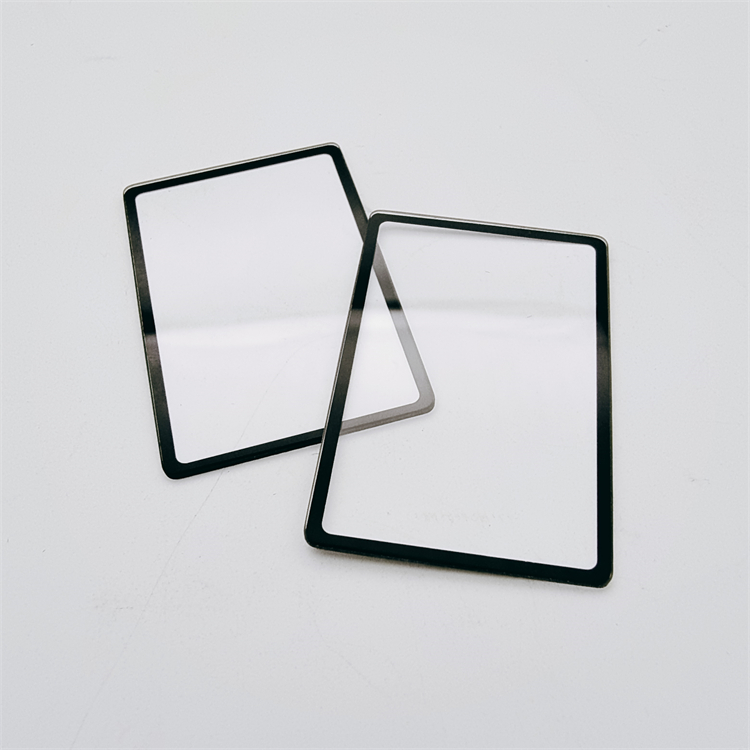
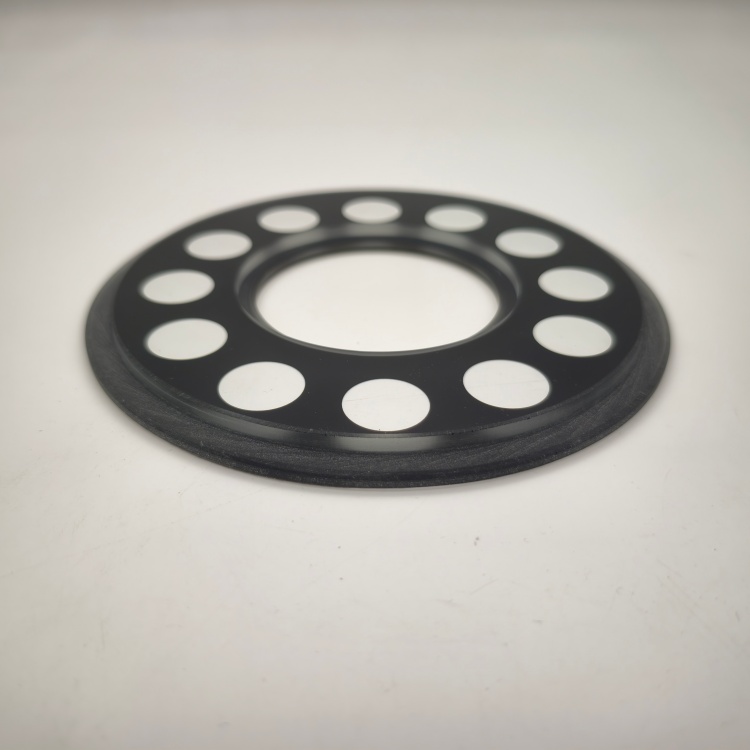
Customized Cut 1mm 2mm 3mm 4mm Instrument Printed Tempered Glass With Holes
1–4 mm · CNC holes and cut-outs · printed borders
Every item below is processed to drawing — diameter, hole layout, edge profile, print artwork, coating stack and packing method are all customizable, with typical minimum order quantities of 100–500 pieces.

Fukuoka is the commercial gateway to Kyushu and sits at the centre of one of Japan's densest industrial corridors — Kitakyushu, Iizuka, Yukuhashi, Kurume and the satellite parks in between.
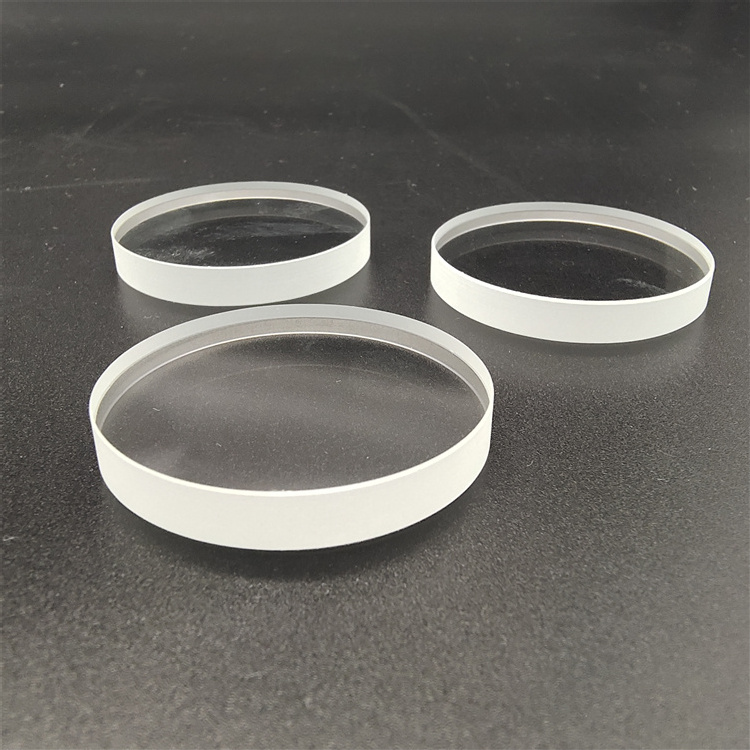
Within roughly sixty kilometres of Hakata Station you will find tier-one automotive component plants, semiconductor and flat-panel equipment makers, industrial automation integrators, commercial kitchen equipment assemblers, and a dense cluster of smaller but demanding LED lighting and smart-home switch brands. Almost every one of them needs a small circular glass part: a Ø30 mm sensor window, a bonded round cover on a wall switch, a downlight lens, a printed aperture for a panel meter.
The sourcing problem is specific. Small-batch runs of 0.5 mm ultra-thin round glass with custom silk-screen printing are slow and expensive through domestic Japanese trading houses, and pure optics specialists rarely quote competitively once a printed border and a coated surface are added to the same drawing. That gap is what specialist Chinese processors fill: cutting, CNC shaping, edge polishing, drilling, tempering, printing and coating all handled under one roof, so a single purchase order covers the whole bill-of-materials line.
Japanese buyers also rarely purchase on price alone. What decides a supplier is whether the first article matches the drawing, whether the packaging survives a sea leg into Hakata or Moji Port, and whether the engineer on the other side answers within the same working day. Those three factors — spec accuracy, transit survival and response speed — are the real evaluation criteria behind every request for quotation that reaches Dongguan from Kyushu.
Six application clusters that account for most circular and shaped glass demand in the Fukuoka industrial region.
HMI covers, level sight glasses and meter windows for plants in Kitakyushu and Iizuka. Printed round glass with drilled fixing holes keeps screw heads and display apertures aligned to the panel thickness tolerance.
Diffuser covers and lenses for downlights, panel lights and wall washers. A stepped inner-and-outer edge lets the glass self-centre inside the housing, removing a gasket and simplifying final assembly.
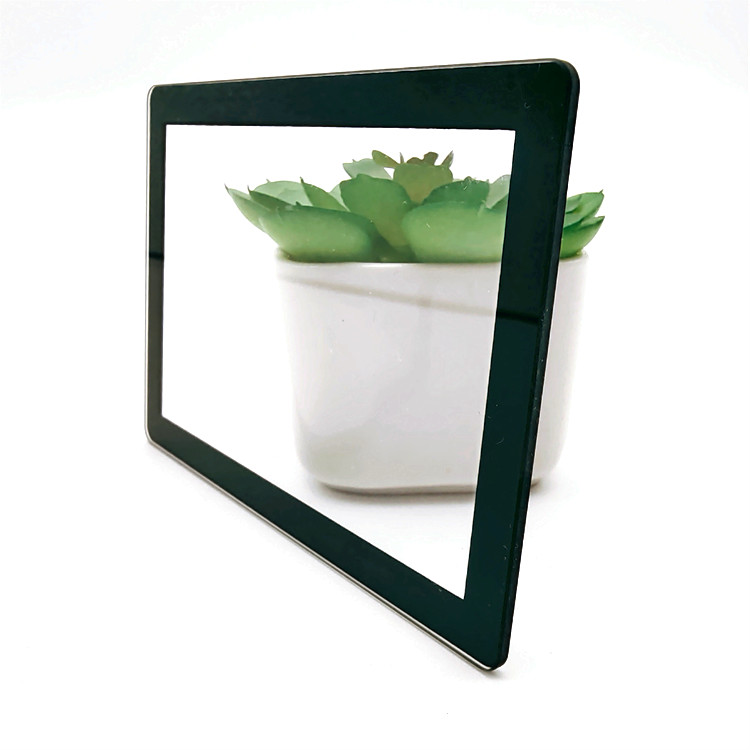
Bonded round faceplates for wall switches and thermostat panels. Black mask printing combined with a clear touch window hides the capacitive PCB while keeping the icons crisp under ambient light.
Windows for IR illuminator boards, light sensors and access-control units. Anti-reflective coating raises transmittance enough to preserve low-light sensitivity without bouncing LED energy back into the lens.
Displays for bakery ovens, blast chillers and dishwashers. Tempered surfaces survive daily alkaline wipe-down, and graphic printing is fired rather than laminated so legends do not lift at the edges.
Cover lenses for bedside monitors, handheld diagnostics and laboratory analysers, where an AG plus AF stack keeps readings legible under ward lighting and resists fingerprints across shift changes.
Four shifts we observe in the specification documents arriving from Kyushu OEMs and design houses.
Kyushu OEMs are planning around shorter product life cycles, which means more part numbers and fewer pieces per number. A supplier that can run 100–500 piece batches across many sizes in one production slot is worth more today than a supplier with the lowest per-piece quote five years ago.
As digital signage and outdoor HMI expand into stations, malls and hospitals, glare treatment stops being a luxury. Buyers increasingly ask for reflectance and haze figures in writing rather than the phrase "AG glass".
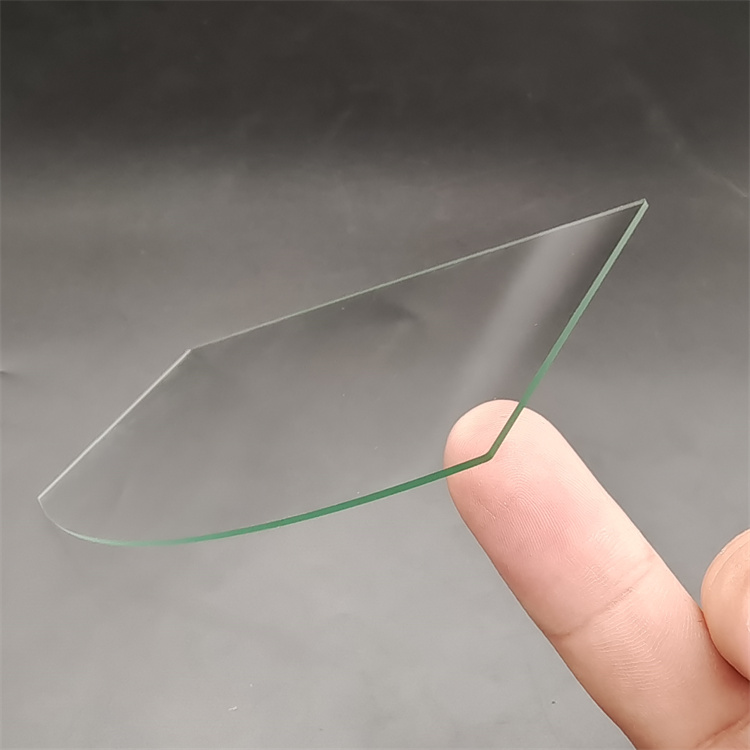
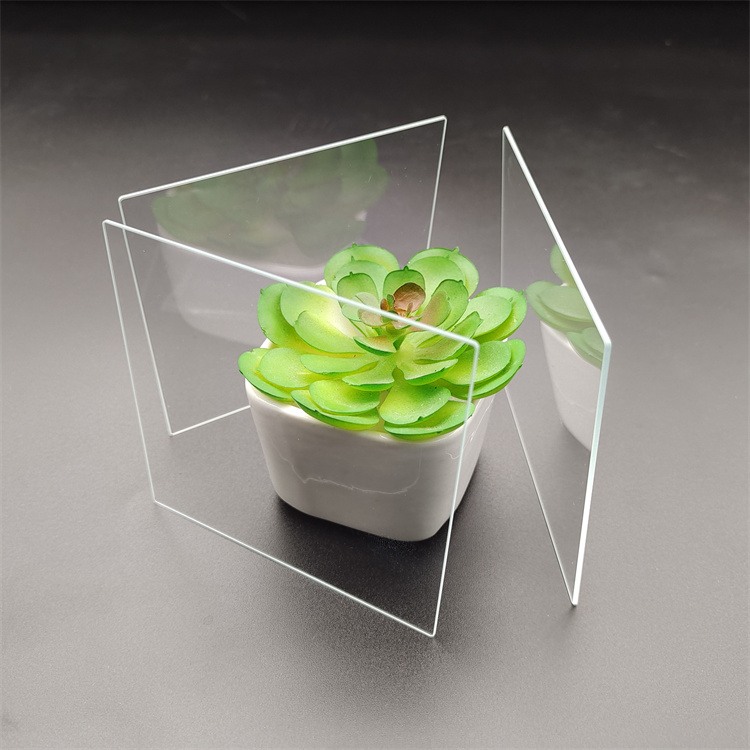
Japanese buyers notice a green cast at the edge of a display window immediately. Ultra clear low-iron substrate has become the standard request for display covers, LED lenses and premium switch faces, and green-tinted float glass is now rejected at the sample stage.
Procurement teams now review response rate, reorder rate, transaction history and audited supplier status before releasing a first sample order. Suppliers who publish measurable performance data clear evaluation faster than those who only publish a catalogue.
Dongguan Jaswe Glass Co., Ltd. designs, processes and exports tempered glass, display glass, touch screen glass, silk screen printed glass, switch glass, AR / AG / AF coated glass, electrical equipment glass and LED lighting glass from Dongguan, Guangdong.
Cutting, special-shaped and CNC cutting, edge polishing, hole drilling, tempering, silk screen and ceramic printing, AG processing and AR / AF coating are all completed in-house — no quality hand-offs between subcontractors.
From ultra-thin 0.5 mm and 0.7 mm electronic grade cover glass through to 10 mm round instrument windows and 19 mm flat tempered panels, one supplier and one inspection standard across the whole range.
Multi-colour logos, icons, black mask borders and transparent display windows printed to Pantone references, with the positional accuracy needed for Japanese-language legends on switch and appliance panels.
Anti-reflective, anti-glare and anti-fingerprint treatments applied individually or combined on the same cover glass — for example AG plus AF on outdoor touch panels, or double-sided AR on instrument windows.
26 glass processing machines and more than 80 skilled workers support monthly output above 200,000 pieces, while average response time stays under three hours and the response rate stands at 96.61%.
On-site verified supplier status with a six-year track record, published trade capacity, transaction level and credit index, plus a 26% buyer reorder rate built on lighting, electronics and appliance customers.
This is the matrix our engineers apply during design review for Fukuoka customers. Treatments can be stacked on one component.
| Glass Type | Problem It Solves | Typical Kyushu Application | Engineering Tip |
|---|---|---|---|
| Ultra Clear (Low-Iron) | Removes the green tint of standard float glass for true colour reproduction | LED lenses, display covers, premium switch faces | Pair with white or light print so the edge does not read grey-green |
| AR Anti-Reflective | Cuts surface reflection and raises transmittance and contrast | Instrument windows, medical monitors, camera covers | Specify single- or double-sided; double-sided delivers the largest gain |
| AG Anti-Glare | Diffuses reflected light so screens stay readable under strong ambient light | Outdoor kiosks, signage, industrial HMI, vehicle displays | Match haze level to viewing distance — finer haze for high-resolution panels |
| AF Anti-Fingerprint | Oleophobic layer resists oil, sweat and smudging on touch surfaces | Capacitive touch panels, smart switches, POS terminals | Apply as the final top layer over AR or AG, never beneath printing |
| Silk Screen Printed Tempered | Hides wiring and adhesive, adds logos, icons and display windows | Switch plates, appliance controls, instrument panels | Send Pantone codes plus the exact transparent window size with the drawing |
A transparent workflow designed for overseas buyers who need predictable quality, clear communication and a documented inspection trail.
Drawing in DXF, DWG or PDF, plus thickness, edge type, printing colours, coating requirement, application and estimated annual quantity.
Manufacturability feedback and a recommended process route, typically returned within hours of receipt.
Physical samples for fit, colour and optical approval before any mass production commitment is made.
Batch production with in-process inspection at cutting, edging, tempering, printing and coating stations.
Interleaved, edge-protected export packing designed to survive the sea leg into Hakata or Moji Port.
Sea freight to Kyushu ports or air freight into Fukuoka Airport, with photo-based support for any transit claim.
Send your round glass specification — diameter, thickness, edge profile, printing, coating and estimated annual volume — and our glass engineers will respond with a manufacturability assessment and a process recommendation for your Fukuoka supply plan.
Contact Us Typical engineering reply within 3 hours · Response rate 96.61% · Samples available before mass production