8 Soda-Lime Glass Products for Medan Buyers
These products match the most common Medan sourcing needs: appliance covers, printed control panels, LED fixture glass, adhesive-backed screen protection, step-edge panels, bevel-edge fascias, clear glass sheets and ultra-thin touch-cover glass. Each item is made to drawing; images are shown without distortion.
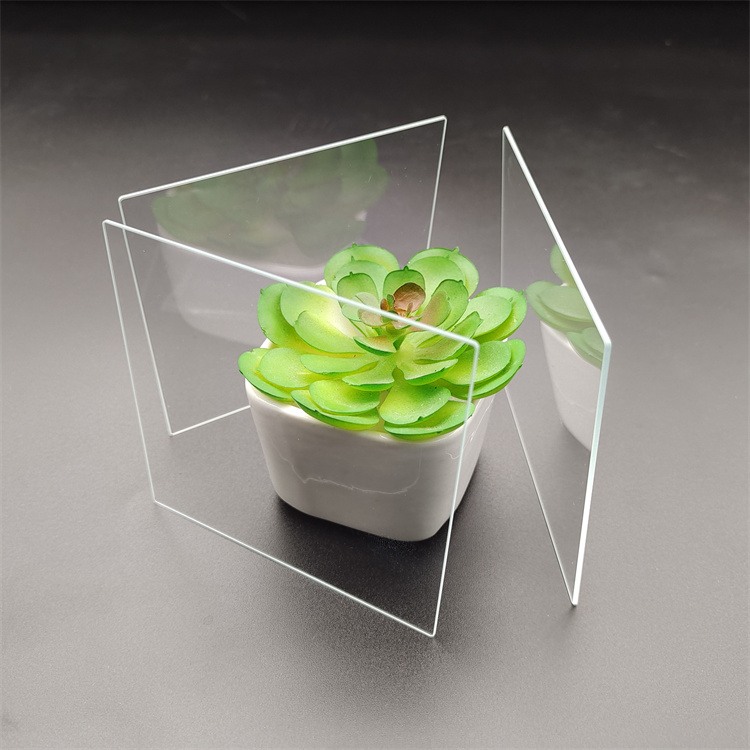
Custom 1mm–5mm Tempered Extra Clear Glass Panel for LCD / LED / Appliance Covers
The practical choice for appliance display windows, LED fixture covers and electronic control interfaces where neutral color and impact resistance matter. For Medan appliance assemblers, specify the visible window, print color and edge finish on one drawing to reduce rework.
View specification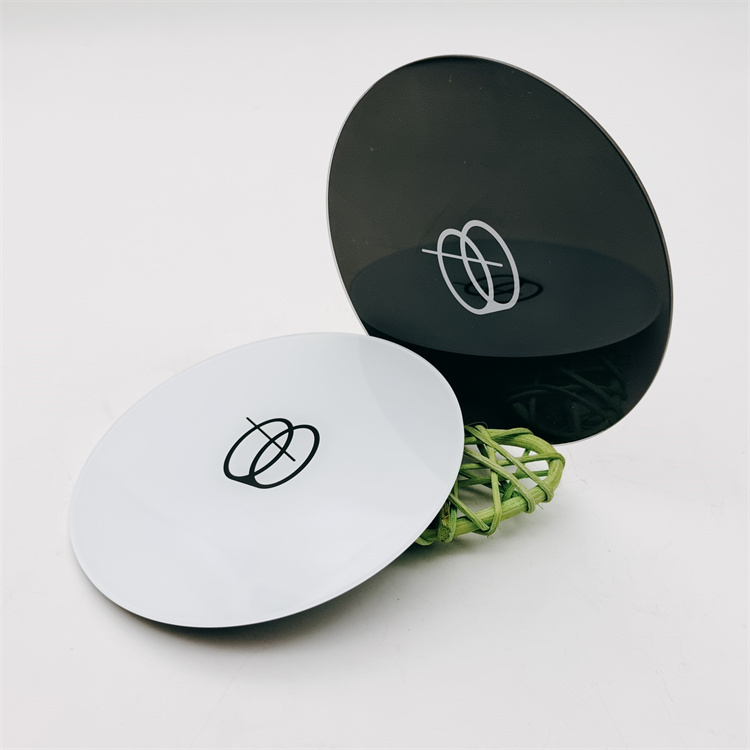
Black & White Silk Screen Printing Toughened Round Glass for Electric Appliances
Useful for smart switches, kitchen equipment panels and control plates. In humid storage, ink adhesion and through-cure control matter more than color appearance alone; request a sample after cleaning and tape testing before bulk approval.
View specification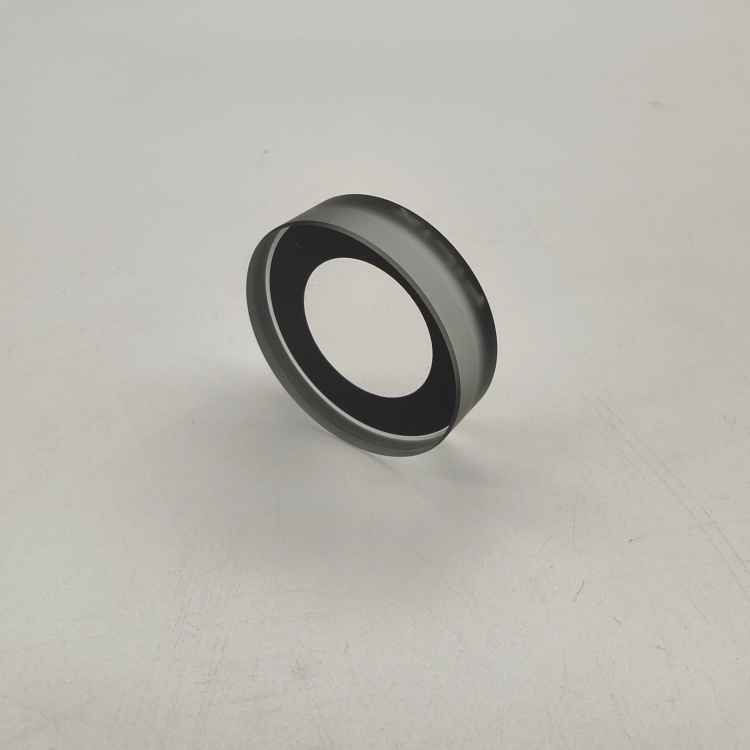
High-Quality Small-Diameter 10mm Round Tempered Glass with Ceramic Printing
A robust cover for downlights, spotlights, sensor windows and compact fixtures. The thickness adds stability, while ceramic printing resists fading. Confirm outer diameter, print window, chamfer and packing method before bulk production.
View specification
Small-Size Ultra-Thin 0.5mm / 0.7mm / 1mm Tempered Glass with Adhesive Tape
Suited to POS terminals, handheld instruments, medical devices and industrial displays. For Medan service conditions, specify adhesive type and shelf life; humid storage can affect tape performance if cartons are not sealed with desiccant.
View specification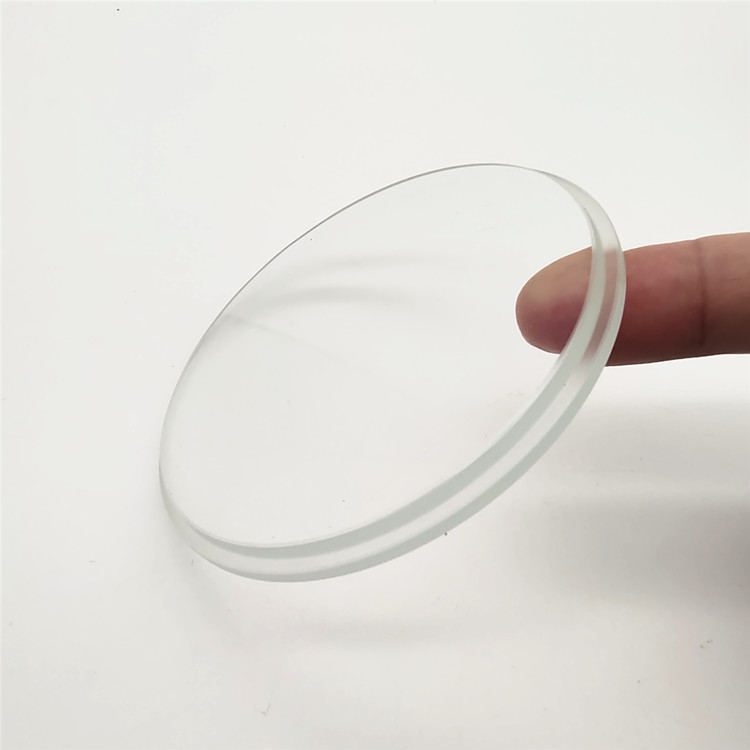
Factory Price 2mm–10mm Tempered Step Edge Glass
A practical option for equipment windows, guards, intermediate frames and panels needing a locating step. Step dimensions must be defined with tolerance; edge polishing quality affects fit, safety and assembly speed.
View specification
Customized Small-Size 3mm–6mm Beveled Edge Tempered Glass
Improves perceived quality on appliance fascias, decorative switch plates and control panels. For Medan interior products, pair a bevel edge with low-iron glass when white printing must stay neutral rather than green-tinted.
View specification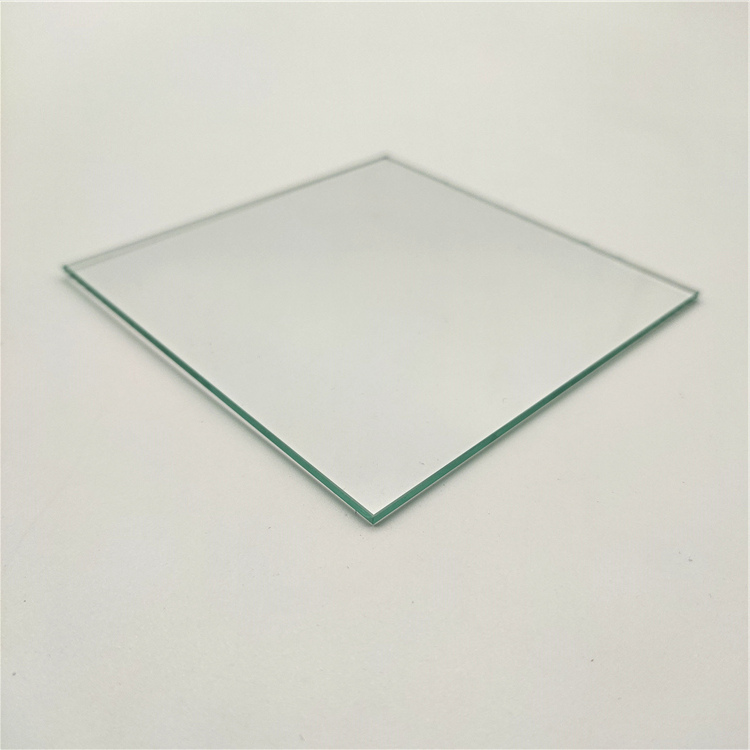
Fast Delivery Custom 1mm Clear Glass Sheet
Useful for display windows, signage covers and prototype runs. If you are testing a new Medan retail or kiosk design, start with a validation batch, confirm drilling, printing, edge quality and packing, then scale to container volume.
View specification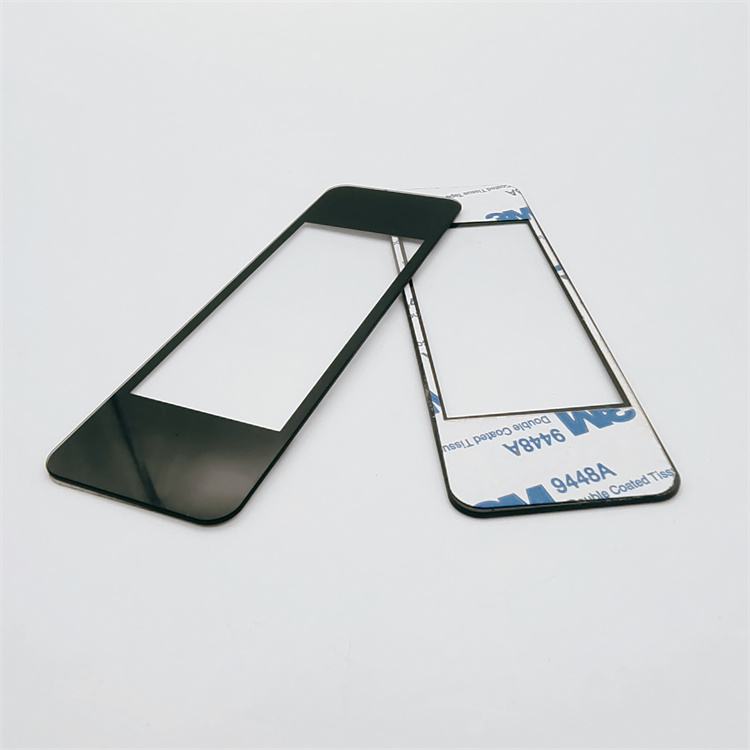
Ultra-Thin 1mm Tempered Glass with 3M Tape for Screen Cover Glass
For capacitive touch interfaces, HMI displays and compact electronic devices. Specify tape grade, release liner and bubble-free application method; these details influence production yield after import and should be fixed before mass production.
View specificationSourcing Soda-Lime Glass for Medan: What Buyers Really Need
When an importer searches for a China soda lime glass wholesaler and wholesalers for Medan, the intent is rarely “any cheap glass sheet.” It is usually a request for a China-based processing partner who can deliver repeatable batches of tempered, printed or coated soda-lime glass that fit local production, survive sea freight to Belawan, and remain consistent across reorders.
Soda-lime glass is the economical workhorse substrate behind most display covers, appliance fascias, LED fixture windows, switch plates and instrument windows. Its value is not only in the raw sheet. The final result depends on iron content, flatness, edge quality, tempering stress, printing ink, coating stack, adhesive and packing. A true wholesaler should explain these variables in engineering language rather than quoting only a price per square meter.
Medan’s demand is shaped by appliance and food-service equipment, retail POS and kiosks, commercial building controls, lighting, healthcare and security devices, and industrial control windows linked to North Sumatra’s plantation and processing supply chain. Humidity is high, cleaning is frequent, and importers often prefer mixed SKUs rather than one-size-fits-all stock.
For transparency, Jaswe Glass is a Dongguan-based processor and exporter, not a Medan warehouse. The practical question is therefore not “who has local stock?” but “who can provide drawing review, sample validation, in-house processing and export packing that match the way you build?” That is the standard used throughout this guide.
What Medan buyers should verify first
- Drawing with tolerances, visible window and edge details
- Glass type: standard clear, extra clear or low-iron
- Tempering route and safe-breakage expectations
- Printing color, Pantone reference and ink cure
- AR, AG or AF coating stack and test method
- Adhesive type, liner and shelf life for taped parts
- Export packing that suits humid tropical storage
- Belawan routing, Incoterm and mixed-SKU plan
Where Soda-Lime Glass Is Used in Medan’s Supply Chain
Medan is a trade, service and processing hub for North Sumatra. The same soda-lime glass product can serve very different industries, but the specification changes with touch frequency, cleaning method, light exposure and assembly method.
Appliance & food-service controls
Rice cookers, refrigerators, coffee equipment, kitchen displays and hotel/restaurant fit-outs use printed glass covers to protect controls, hide wiring and resist frequent cleaning. Specify low-iron glass when white graphics must stay neutral, and ceramic printing when heat and wear are concerns.
Retail POS, kiosks & touch interfaces
Malls, convenience stores, F&B outlets and logistics counters rely on touch screens that face fingerprints, bright lighting and daily cleaning. Use 0.7–3 mm ultra-clear tempered glass with AR + AF for indoor touch, or AG + AF where the screen faces windows or atrium light.
LED lighting & signage covers
Downlights, wall washers, panel lights and storefront signage need clear or printed glass that tolerates heat and keeps edges safe. Ceramic-printed borders, frosted surfaces and precise outer diameters should be confirmed on a sample before volume production.
Smart switches & electrical panels
Hotel projects, residential towers and commercial buildings use printed switch glass for touch keys, icons and indicator windows. Thickness usually sits around 3–6 mm; flatness, print registration, bevel/step edges and adhesive selection determine assembly yield.
Industrial instruments & control windows
Plantation processing, utilities, workshops and manufacturing lines need instrument windows that stay readable in dusty or bright environments. Consider 2–6 mm tempered glass, AR or AG treatment, drilled holes and step-edge fitting for panel assembly.
Security, medical & camera windows
Clinics, labs, surveillance devices and access-control products often need ultra-clear glass with precise cut-outs and low reflection. AR coating improves camera contrast, while AF coating keeps touch surfaces cleaner during frequent use.
Glass Procurement Trends Shaping Medan Projects
These are qualitative sourcing patterns rather than a statistical market forecast. They reflect how custom cover-glass buyers typically evaluate China suppliers when serving Indonesian production and project demand.
From generic sheets to drawing-based components
Local fabricators increasingly want finished panels: cut, drilled, edged, tempered and printed. Outsourcing these steps to one qualified processor reduces scratches, inconsistent tempering and color mismatch caused by moving glass between subcontractors.
Humidity-aware packing and adhesive discipline
Sea freight to Belawan and tropical storage make packaging part of the specification. Interleaving paper, edge protectors, sealed cartons, desiccant and controlled adhesive shelf life matter for taped screen covers and printed panels.
Anti-glare and anti-fingerprint for customer-facing screens
Retail, hospitality and public-service touchpoints in Medan face bright ambient light and frequent handling. AG diffuses glare; AF repels oil and sweat. Combining both is common for kiosks, POS displays and smart control panels.
Smaller mixed validation orders before container volume
Importers often start with 100–500 pieces or a mixed trial shipment covering several SKUs. The goal is to verify print color, edge quality, coating appearance, adhesive performance and export packing before committing to repeat production.
Soda-Lime Glass Selection Matrix for Medan Applications
Use this matrix for first-pass specification. Final choice depends on panel span, impact risk, cleaning chemicals, coating stack, assembly method and target cost.
| Application | Soda-lime glass & thickness | Surface / print | Medan-focused note |
|---|---|---|---|
| Appliance control fascia | 1.8–4 mm tempered soda-lime; extra clear optional | Silk-screen or ceramic print; matte/AG optional | Confirm cleaning-agent compatibility and print cure; humid storage needs sealed packing and desiccant. |
| LED fixture cover | 2–5 mm tempered glass; low-iron for clarity | Ceramic print, frosted surface or polished edge | Allow for thermal cycling in fixtures; protect edges during sea freight to avoid chipping. |
| Touch display / POS cover | 0.7–3 mm ultra-clear tempered glass | AR + AF for indoor touch; AG + AF for bright areas | AF helps with finger contact; AG is useful when the screen faces windows or atrium lighting. |
| Smart switch panel | 3–6 mm tempered glass | Silk print, bevel or step edge, adhesive backing | Flatness, print registration and adhesive shelf life matter more than raw glass price for assembly yield. |
| Industrial instrument window | 2–6 mm tempered glass; custom holes and step edges | AR or AG, printed border, drilled holes | Review impact, dust and cleaning method; tolerate holes and step dimensions precisely in the drawing. |
| Signage / kiosk protection | 1–3 mm tempered clear glass | Anti-glare, cut-outs, printed border, safe edges | Keep weight manageable for public installations; specify edge finish for safe handling in local assembly. |
Soda-lime glass is usually the economical choice for display, lighting and control-panel covers. If an application involves extreme thermal shock, unusual chemical exposure or specialized optical requirements, discuss alternative substrates during engineering review.

Why Jaswe Glass Is a Practical China Wholesale Partner for Medan
Dongguan Jaswe Glass Co., Ltd. processes custom tempered glass, ultra-clear glass, silk-screen printed glass, AR/AG/AF coated glass, display cover glass, switch glass, electrical equipment glass and LED lighting glass. The company is based in Dongguan, Guangdong, China, with 51–100 employees, 80+ skilled workers, 26 glass processing machines and monthly output above 200,000 pieces.
In-house processing covers cutting, special-shaped and CNC cutting, edge polishing, hole drilling, tempering, silk-screen and ceramic printing, AG processing and AR/AF coating. Keeping these steps under one roof shortens communication, reduces handling damage and makes it easier to hold a specification across repeat orders.
On the source trade platform, public indicators include a 96.61% response rate, average response time within about 3 hours, a 26% buyer reorder rate and a six-year verified supplier assessment. For Medan buyers, those indicators are useful because they show whether a China wholesaler can answer engineering questions quickly, keep an approved sample and repeat it after the first shipment.
One-roof process control
Cutting, CNC shaping, edging, drilling, tempering, printing and coating are coordinated as one production route, reducing the quality gaps that appear when glass moves between subcontractors.
Production scale for repeat orders
With 26 machines, 80+ skilled workers and more than 200,000 pieces per month, volume orders can be scheduled without losing the drawing-based attention that custom cover glass requires.
Drawing-first engineering
DXF, DWG or PDF drawings are checked for manufacturability, edge finish, holes, print windows, coating stack and packing before samples are made, which reduces surprises during bulk production.
Export packing for humid destinations
Interleaving, edge protection, sealed cartons and moisture-control measures help protect glass and adhesive-backed parts before they reach assembly lines in Medan and North Sumatra.
Responsive communication
Public sourcing data shows a 96.61% response rate and an average response time of about 3 hours, important when engineering questions and sample approvals cross time zones.
Reorder-led quality culture
A 26% buyer reorder rate points to the value of repeatability: approved color, consistent edge quality and stable packing matter as much as the first sample.
In-house process coverage: one quality route from drawing to packing
Coverage shows the core processing steps stated for this product series. Actual routing is confirmed per drawing, volume and coating requirement.
Five Steps from Medan Requirement to Export Delivery
A transparent workflow helps overseas buyers compare engineering support, sample control and production discipline, not only unit price.
Share drawing & application
Send DXF, DWG or PDF with thickness, edge type, holes, print colors, coating, adhesive and estimated annual volume.
Engineering review
The factory checks manufacturability, glass type, tolerance risk, processing route and packing approach.
Sample approval
Physical samples let you validate fit, print color, edge appearance, optical coating and tape performance.
Mass production
Batch production follows the approved drawing with inspection at cutting, edging, tempering, printing and coating stages.
Export packing & shipping
Edge-protected, interleaved packing is prepared for the forwarder and agreed route toward Belawan or another Indonesian port.
Medan Buyer’s Pre-Order Checklist
Send these eight items together and the quotation and engineering review can move faster.
China Soda-Lime Glass Wholesale: Common Procurement Questions
Do you work with glass wholesalers and importers in Medan?
What is the minimum order quantity for custom soda-lime glass?
Which thickness should I choose for my application?
How do I choose AR, AG and AF coatings for Medan’s climate and lighting?
Will Medan’s humidity damage tempered soda-lime glass?
Can several glass products be combined in one shipment?
What should I send for an accurate quotation?
How can I verify quality before mass production?
Ready to Compare Soda-Lime Glass Specifications for Medan?
Send your drawing, target thickness, print or coating requirement, adhesive specification, annual volume and preferred delivery terms. The engineering team will review manufacturability and recommend a practical production route before samples are made.
Email: info@jasweglass.com · Dongguan Jaswe Glass Co., Ltd. · Custom tempered, ultra-clear, printed and AR/AG/AF coated glass.