Eight Custom Spotlight and Cover Glass Products for Nashville Buyers
These are not stock catalogue items. Each product is made to drawing with CNC cutting, edge finishing, hole drilling, tempering, silk-screen or ceramic printing and optional AR / AG / AF coating. Product links and image paths are preserved exactly from the manufacturer’s catalogue.

Small Size Ultra Thin 0.5mm 0.7mm 1mm Tempered Glass Panel With Adhesive Tape for Screen Protection
Best for compact fixture labels, optical windows, thin control overlays and low-profile spotlights where adhesive assembly saves installation time.
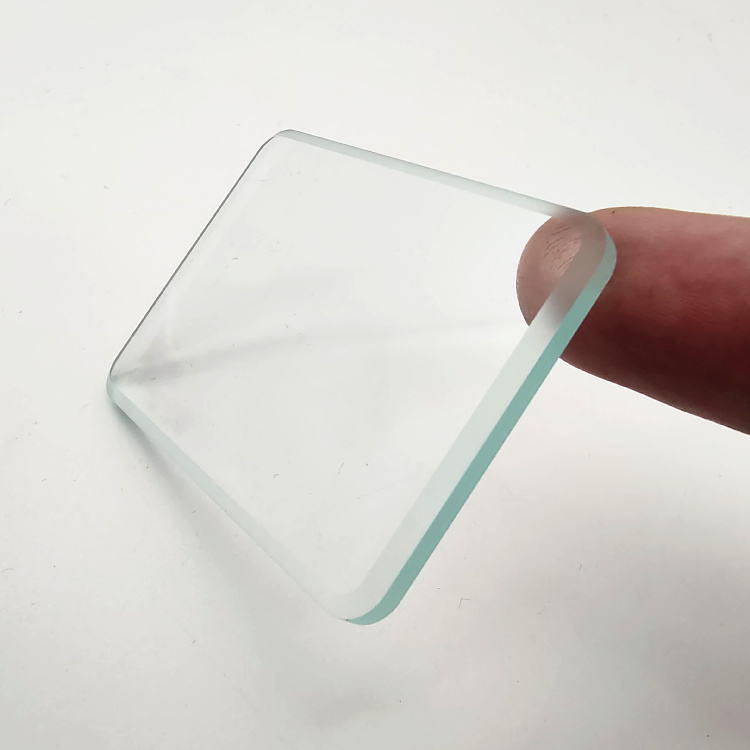
Custom Small Dimensions Tempered Beveled Edge Glass for Sale
Best for architectural spotlights, hospitality fixtures and decorative covers that need a refined beveled edge rather than a basic flat polish.
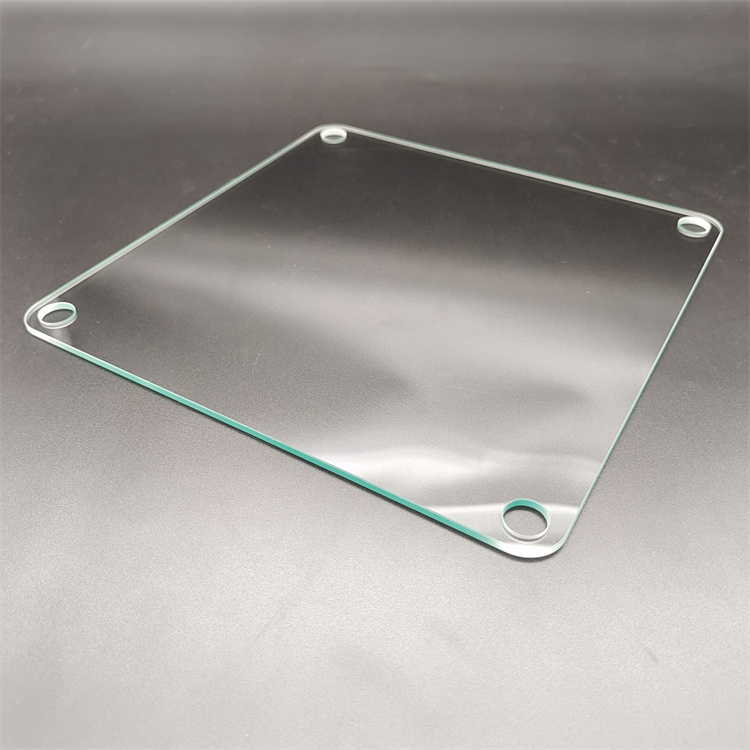
Factory Sale Customized Shape Decorative Glass Cover Hole Drilling Glass Panel Soda-lime Tempered Glass Sheet With Holes
Best for fixture covers needing mounting holes, cable pass-throughs, sensor openings and decorative cut-outs without secondary drilling risk.
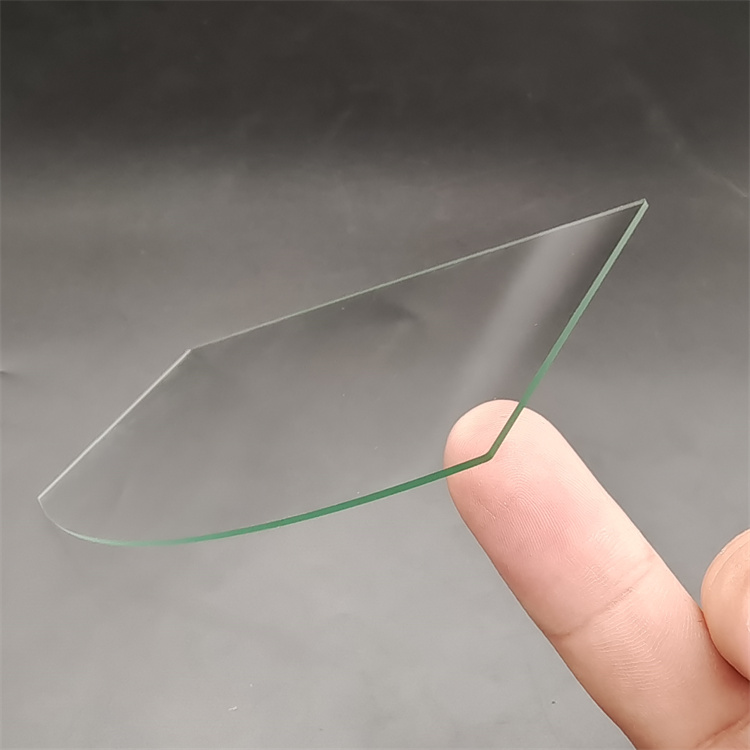
Any Size Custom 0.5/0.7/1/1.5/2/3mm Tempered Glass Screen Protector, Round Rectangle Triangle Customized Tempered Glass OEM ODM
Best for Nashville OEM programmes that need mixed shapes, mixed thicknesses and one repeatable drawing-to-production workflow.
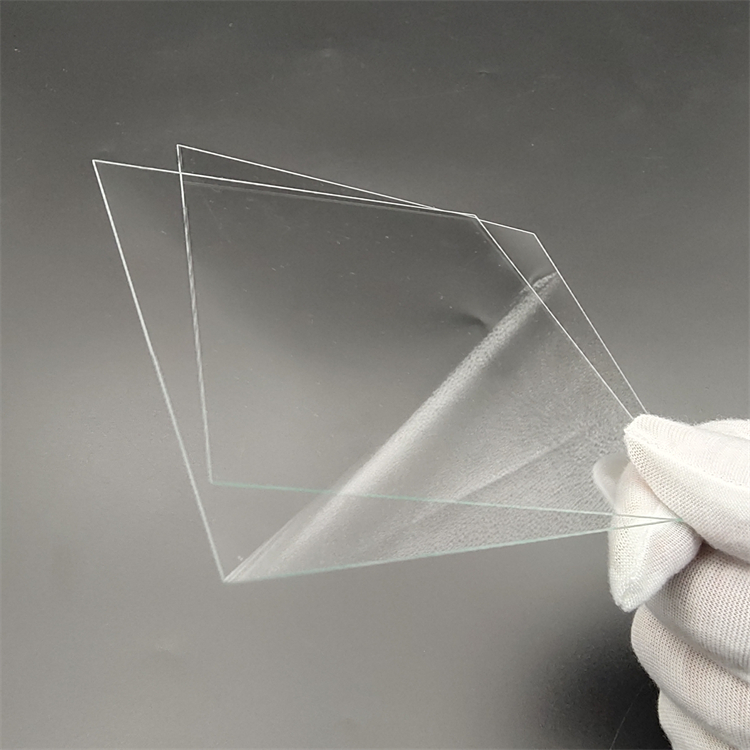
Customized Ultra Clear 0.5mm 0.7mm Thickness Ultra Thin Tempered Glass
Best for high-clarity spotlight lenses and optical display covers where the green tint of ordinary float glass would weaken colour accuracy.
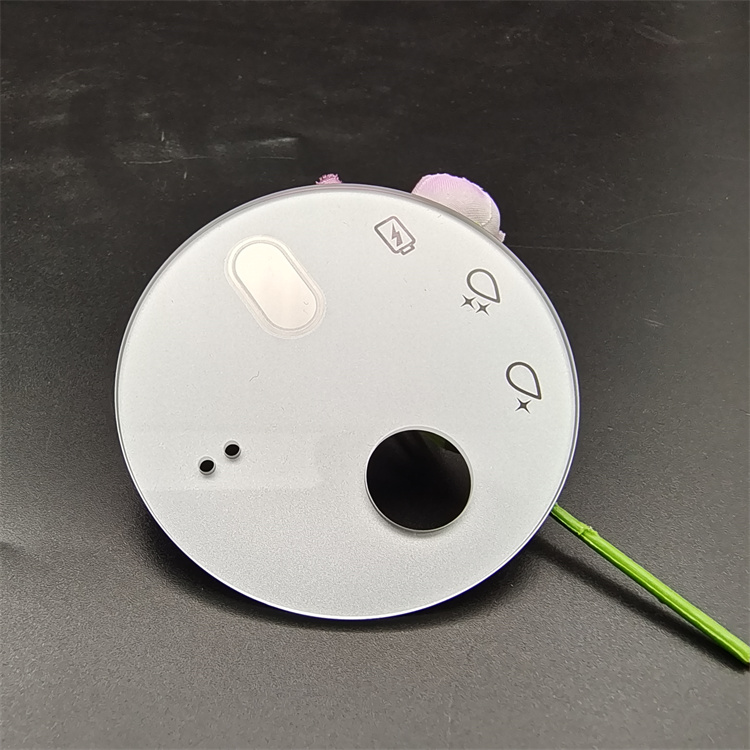
Customized 0.5mm 0.7mm 1mm 2mm 3mm 4mm 5mm 6mm Cut Holes Printed Round Tempered Glass Panels for Home Appliance
Best for appliance, HVAC and control-panel glass with printed windows, colour masking and drilled holes in one finished component.
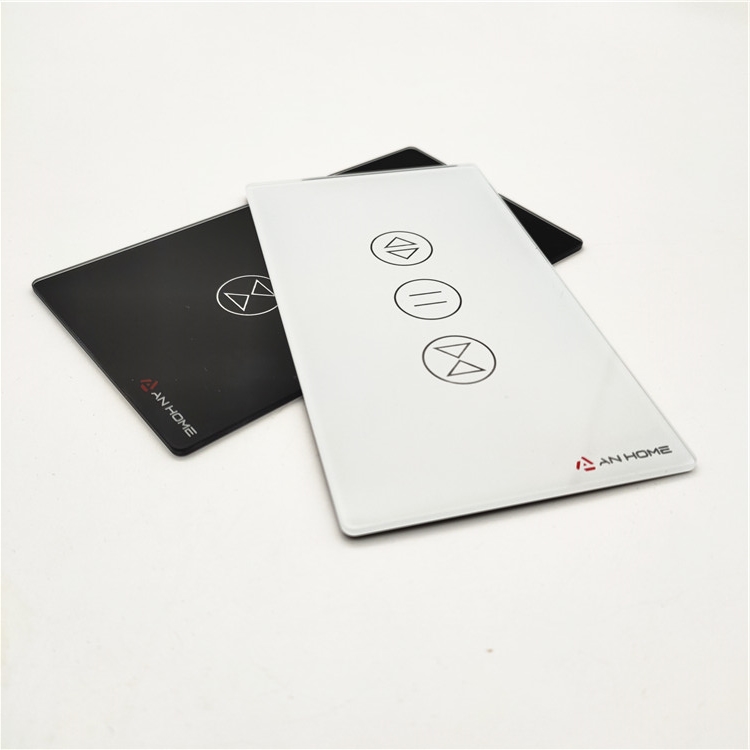
Home Smart WiFi Remote Control Touch Tempered Glass Screen-Printed Glass Switch Glass Panels Curtain Control Glass
Best for smart-home switch plates, hotel automation and touch-control faceplates where icons, backlit windows and AF coating matter.
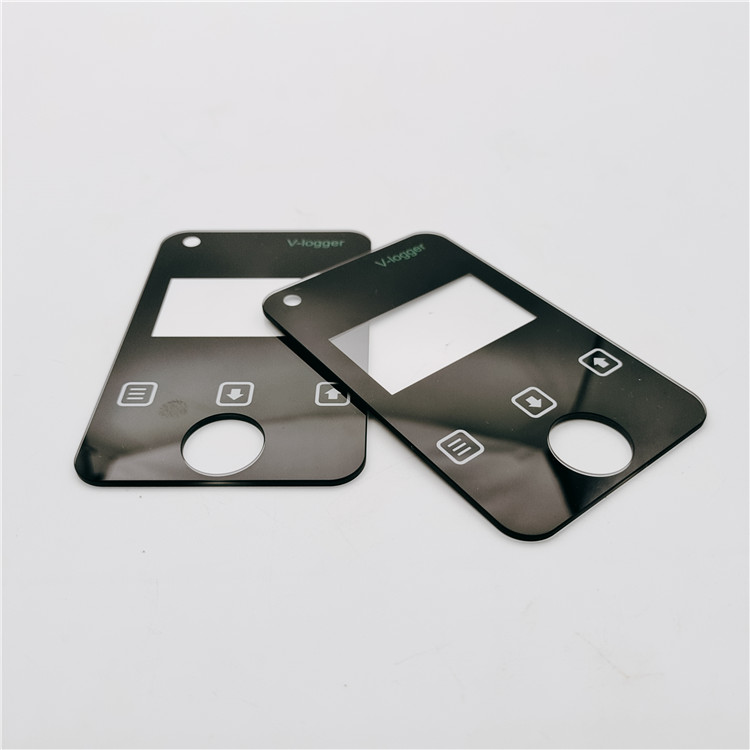
Customized Cut 1mm 2mm 3mm 4mm Instrument Printed Tempered Glass With Holes
Best for meter windows, equipment HMIs, electrical-enclosure viewing panes and Nashville manufacturing sites needing repeat replacements.
Production data from Jaswe’s Dongguan facility · 96.61% buyer response rate · 26% reorder rate · 6-year on-site verified supplier status · annual revenue US$2.5M–US$5M.
What Nashville buyers are really searching for
Most high-intent searches for a China spotlight glass manufacturer are not casual research. A Nashville lighting rental house may need a replacement cover before a weekend show. A hospitality group may want fingerprint-resistant switch plates that match a designer’s Pantone palette. An OEM in Middle Tennessee may need a stable source of ultra-clear, tempered display glass with a repeatable AR coating. A facilities team at a healthcare or manufacturing site may need printed instrument windows with holes, beveled edges and dependable export packing. The intent behind the query is usually a finished, installable component — not just a sheet of glass.
In semantic-search terms, the query cluster around “spotlight glass manufacturer Nashville” contains several distinct intents: replacement glass for existing fixtures, custom faceplate glass for new products, low-glare optical glass for studios, printed switch glass for smart controls, and tempered glass with drilled holes for electrical equipment. A supplier page only earns trust when it answers those intents with thickness ranges, coating trade-offs, MOQ, sampling steps, packing methods and export experience.
Jaswe’s approach is to publish specification-grade information that helps a Nashville buyer prepare a better RFQ. That is the practical meaning of information gain: not more adjectives, but more useful engineering and procurement detail. The same factory facts appear throughout this guide because they affect delivery: 26 machines, 80+ workers, 200,000+ pieces per month, a 0.2–19 mm thickness range and in-house cutting, CNC shaping, edge polishing, drilling, tempering, printing and AR / AG / AF coating.
Quick answer for Nashville projects
- Use 0.5–3 mm ultra-clear tempered glass for thin lenses, touch covers and low-profile faceplates; use 3–5 mm where impact, edge stability and outdoor durability need more mass. Confirm thermal and code requirements with the fixture engineer.
- Choose AR coating for studio, camera and display glazing; choose AG anti-glare for outdoor patios, signage and bright hospitality spaces; add AF anti-fingerprint to touch switch glass.
- Typical custom runs start at 100–500 pieces, depending on size, printing, holes and coating. Sample evaluation should come before mass production.
- Send a DXF, DWG or PDF drawing with thickness, edge type, hole positions, Pantone colours, coating stack, annual quantity and Nashville delivery ZIP.
Why Nashville Specifications Are Different
Nashville combines a globally visible music and hospitality economy with a fast-growing advanced-manufacturing, healthcare and smart-building base. That mix creates unusually varied demand for custom spotlight glass, printed control glass and optical cover glass.
Live music and touring
Spotlight glass is an optical and safety component. Scratches, distortion, bubbles or inconsistent tint are visible on stage and on camera. For touring fixtures, buyers typically prefer low-iron ultra-clear glass, controlled edge polishing and packing that survives repeated handling.
Hospitality and architectural lighting
Hotels, bars, restaurants and venues around Broadway, SoBro, The Gulch and East Nashville use statement fixtures where glass edges, printed borders and colour consistency are part of the design. AF and AG treatments reduce cleaning labour and glare in guest-facing spaces.
Recording, broadcast and creator studios
Nashville’s studio economy needs display windows, control-room faceplates and camera-adjacent glass that do not wash out under lighting. Anti-reflective coating and low-iron substrate help protect contrast; anti-glare finishing helps where reflected light cannot be controlled.
Smart homes, hotels and curtain control
Touch switch glass is a familiar search intent in Nashville’s new-build and renovation market. Printed icons, transparent touch windows, ceramic ink durability and AF coating all affect perceived quality. Custom thickness and hole drilling let the glass fit existing wall boxes and modules.
Outdoor patios and illuminated signage
Tennessee summer heat, humidity and strong ambient light make outdoor glazing demand more than clarity. Tempered glass, edge protection, moisture-resistant packing and AG treatment help the installation stay readable and serviceable. Final suitability depends on the fixture’s thermal design and local code requirements.
Electrical equipment and instruments
Middle Tennessee manufacturers, healthcare facilities and electrical-equipment integrators need meter windows, HMI covers and control-panel faceplates with holes and printed masks. Repeat orders depend on stable drilling, printing and tempering — not one-off samples.
2026 Demand Signals for Spotlight Glass in Nashville
These trends are visible in the questions buyers ask during sampling: more small-batch customisation, more optical treatments, more smart-control faceplates and more pressure to reduce installation risk.
LED retrofit and smart control convergence
As Nashville venues and hotels retrofit LED lighting and smart controls, one fixture may combine a glass lens, a printed switch faceplate and a sensor window. Sourcing several custom glass parts from one qualified factory reduces coordination risk.
Glare control in hospitality and studios
Designers increasingly ask for AG or AR treatment instead of accepting reflected light. The correct choice depends on whether the problem is a direct reflection on a camera, harsh ambient light in a patio bar or fingerprints on a touch surface.
Small-batch customisation with faster sampling
Nashville’s design-build and OEM ecosystem rarely wants one generic size. Buyers want 100–500 piece runs, mixed shapes and fast physical samples to confirm fit, printed colour and optical appearance before committing to production.
Export-ready quality documentation
Procurement teams increasingly expect inspection records, approved sample references and packing photos. For export to Nashville, the supplier’s ability to control in-process quality matters as much as the quoted unit price.
AR, AG, AF or Ultra Clear: Which Glass Fits the Project?
The right recommendation depends on light source, viewing distance, touch frequency, cleaning routine and whether the glass is protecting a display, a spotlight or a control interface.
Ultra Clear Low-Iron
Best for: spotlight lenses, high-clarity display covers and premium printed panels. It removes much of the green tint associated with standard float glass, so whites look cleaner and brand colours stay closer to the approved sample.
Engineering note: pair low-iron glass with colour-controlled printing; otherwise a green edge tone can still appear against white graphics.
AR Anti-Reflective
Best for: studio displays, camera covers, medical or industrial monitors and display windows where reflection reduces contrast. AR coating lowers surface reflection and increases light transmission.
Engineering note: single-sided and double-sided coatings are not equivalent. For critical optical work, request samples and confirm measurement conditions.
AG Anti-Glare
Best for: outdoor patio displays, venue signage, industrial HMIs and bright hospitality interiors. AG treatment diffuses reflected light so the screen or graphic remains readable instead of mirroring a lamp or window.
Engineering note: haze level should match viewing distance. Too much texture can soften fine UI text or high-resolution graphics.
AF Anti-Fingerprint
Best for: touch switch glass, POS terminals, smart-home controls and any interface cleaned many times per day. The oleophobic layer resists oil and sweat and improves finger glide.
Engineering note: AF is usually applied as the final surface layer. It can be combined with AR or AG, but the exact stack must be validated on the chosen substrate.
Final optical values depend on glass thickness, substrate, printing and coating stack. For Nashville projects where colour, reflection or touch feel is critical, approve a physical sample before mass production.
Why Jaswe Glass Is a Credible China Partner for Nashville Buyers
Dongguan Jaswe Glass Co., Ltd. is a glass processing manufacturer, not a trading desk. The processes that determine fit, optical quality and delivery are controlled under one roof.
One-stop in-house processing
Cutting, special-shaped and CNC cutting, edge polishing, hole drilling, thermal tempering, silk-screen and ceramic printing, AG processing and AR / AF coating are handled in-house. That shortens lead time and reduces the quality gaps created when glass moves between subcontractors.
Broad thickness and material range
Current processing covers ultra-thin electronic-grade glass from 0.2 mm up to 19 mm flat tempered glass. The most requested display and touch-cover thicknesses are 0.5, 0.7, 1, 2, 3 and 4 mm, with custom sizes, outlines and holes reviewed by engineering before sampling.
Optical coating experience
AR, AG and AF are not generic upgrades. Each solves a different problem: reflection, glare or fingerprint smudging. Jaswe’s engineering team helps Nashville buyers select a coating stack based on light source, viewing distance, touch frequency and cleaning routine.
Printed glass and colour control
Silk-screen and ceramic printing cover logos, icons, borders, black masks and transparent display windows. To avoid costly colour disputes, send Pantone references, artwork files and the window dimensions with the mechanical drawing, then approve a physical printed sample.
Production capacity and QC
With 26 glass processing machines and more than 80 workers, monthly output exceeds 200,000 pieces. Inspection is built into cutting, edging, tempering, printing and coating stages before packing, which matters for repeat orders and Nashville installation schedules.
Export communication and packing
Average response time is within 3 hours, with a 96.61% response rate and a 26% buyer reorder rate recorded by the trade platform. Glass is interleaved and edge-protected for export, and shipping can be coordinated with the buyer’s freight forwarder for Nashville delivery.
“Scientific management, careful manufacture, high quality service, striving for excellence.” — the operating principle behind Jaswe’s glass processing and export work.
From Drawing to Nashville Delivery: Six Controlled Steps
A transparent process reduces surprises for overseas buyers. The earlier the engineering review happens, the fewer costly changes appear after sampling.
Send requirements
Share the drawing, application, thickness, edge type, hole positions, printing colours, coating requirement, estimated annual quantity and Nashville delivery ZIP.
Engineering review
Jaswe checks manufacturability, glass grade, tempering feasibility, hole-to-edge distance logic and the most stable process route before quoting.
Sampling
Physical samples confirm fit, edge appearance, printed colour and optical performance. For critical projects, approve the sample against a written reference.
Mass production
Production is released only after sample approval. In-process inspection follows cutting, edging, drilling, tempering, printing and coating stages.
Final inspection and packing
Finished glass is checked for visible defects and dimensions, then interleaved and edge-protected for export transit.
Export to Nashville
Shipping is coordinated by air or sea with the buyer’s forwarder or an appointed logistics partner. Packing photos and shipping documents support smooth receipt.
What a better Nashville RFQ includes
- DXF, DWG, STEP or PDF drawing with dimensions and tolerances.
- Application: spotlight lens, switch faceplate, instrument window or display cover.
- Glass thickness, substrate preference and edge finish.
- Hole, slot, notch and countersink positions with mounting method.
- Pantone colours, artwork, transparent window size and print side.
- AR, AG, AF or combined coating requirement and performance expectation.
- Sample quantity, annual demand, target install date and Nashville ZIP code.
- Freight preference, forwarder details and any packaging or labelling instructions.
Questions Local Buyers Ask Most
These are the practical questions that usually decide whether a custom glass quote can move to sample approval.
Are you a manufacturer or a trading company?
Dongguan Jaswe Glass Co., Ltd. is a glass processing manufacturer in Dongguan, Guangdong, China. Cutting, CNC shaping, edge polishing, hole drilling, tempering, printing and AR / AG / AF coating are performed in-house. That matters when a Nashville buyer needs traceability, sample consistency and engineering feedback rather than a pure reseller response.
What thickness should I specify for spotlight glass?
For thin lenses, optical windows and low-profile touch covers, 0.5 mm, 0.7 mm, 1 mm, 2 mm and 3 mm are common. For larger architectural or outdoor fixture covers, 3–5 mm may be more appropriate, but the final choice must account for fixture temperature, mounting, impact risk and local code requirements. Jaswe can process 0.2–19 mm flat tempered glass.
What is the MOQ and can I get samples?
Most custom items start at 100–500 pieces, depending on size, printing, holes and coating. Standard clear tempered pieces can sometimes be supplied in smaller sample quantities for evaluation. For Nashville projects, approve a physical sample for fit, colour and optical appearance before releasing mass production.
Can you ship to Nashville and how is glass packed?
Yes. Jaswe exports glass to North America and can coordinate with the buyer’s freight forwarder or a logistics partner. Export packing uses interleaving and edge protection to reduce transit damage. Share the Nashville delivery ZIP, preferred shipping method and any receiving requirements so the packing and documents can be aligned.
Can you match Pantone colours and switch icons?
Yes, for silk-screen and ceramic printing. Send Pantone references, vector artwork, icon dimensions and the size of transparent touch or display windows. Colour appearance changes with glass substrate, ink thickness and lighting, so a printed sample should be approved before production.
Which coating is best for outdoor Nashville venues?
AG anti-glare is often specified where strong ambient light or patio lighting creates reflections. AF anti-fingerprint is useful on touch surfaces. AR anti-reflective is more typical for studio, camera or display glazing where transmitted clarity matters. The treatments can be combined, but the stack should be tested on the actual glass thickness and printing.
How do I know the glass will fit my fixture or control panel?
Provide a dimensioned drawing with hole positions, edge profile, corner radii and mounting method. The engineering team reviews manufacturability before sampling. For replacement work, send photos of the existing part and the mounting frame as well as measurements; this helps flag hidden clearance issues early.
How quickly can I get a quote and engineering review?
Average response time is within 3 hours, with a recorded 96.61% response rate. A complete RFQ with drawing, thickness, printing colours, coating requirement, quantity and Nashville delivery details moves faster. Complex optical stacks or multi-part assemblies may need a sample review before a final production quote.
Information Gain: What Changes the Quality of a Custom Glass Order
A buyer comparing China spotlight glass manufacturers often receives similar-looking quotations. The difference appears later: in edge quality, printed colour, hole breakout, coating uniformity, packing survival and how quickly engineering questions are answered. The most useful information gain is therefore not another list of glass types, but a clear connection between application risk and process control.
For Nashville venue work, ask how the supplier will protect polished edges during transit. For smart-switch glass, ask how the supplier controls printed icon opacity over a transparent touch window. For instrument windows, ask how hole positions are checked after tempering. For studio displays, ask whether AR or AG is being recommended from measured viewing conditions rather than habit. These questions reveal whether the supplier understands the end use.
Jaswe’s factory data supports that review: 26 machines, 80+ workers and monthly output above 200,000 pieces give capacity; the 0.2–19 mm thickness range covers thin display glass through architectural covers; in-house printing and coating keep process knowledge close to the sample; and a 26% reorder rate suggests that repeat buyers find the quality and communication predictable enough to return.
For buyers in Nashville, Franklin, Murfreesboro, Brentwood and the wider Middle Tennessee region, the practical next step is to send an application-specific RFQ. Include the fixture or control-panel context, not just a size. That context lets the factory recommend a safer thickness, a more suitable edge, the right coating and a packing method that matches the installation schedule.
Start with the application, not just the size
- Stage / studio: low-iron substrate, AR or AG review, edge quality.
- Hospitality / outdoor: tempered glass, AG + AF option, moisture-resistant packing.
- Smart switch: printed icons, transparent windows, AF coating.
- Instrument / electrical: holes, printed mask, dimensional inspection.
Send a Drawing. Get a Manufacturability Review for Nashville Delivery.
Share your spotlight glass, switch glass or instrument window requirements with the Jaswe engineering and export team. Include thickness, edge finish, holes, printing colours, coating needs, estimated annual quantity and Nashville delivery details for a more useful response.
Get CatalogHelpful RFQ details: DXF/DWG/PDF drawing · application and light source · glass thickness · edge and hole requirements · Pantone colours · AR / AG / AF requirement · sample quantity · annual demand · Nashville ZIP code · freight preference.