Eight AG-Ready Cover Glass Products for Montreal Buyers
Montreal procurement teams rarely need a generic glass sheet. They need stable optics, repeatable printing, clean edges, adapted packaging and a supplier who can answer engineering questions before samples are made. The eight products below keep their original product URLs and cover appliance panels, black decorative strengthening, industrial display windows, double-sided AR glass, LED lighting glass, drilled control panels, ultra-thin adhesive cover glass and frosted ultra-clear industrial glass. AG treatment can be quoted on compatible substrates.
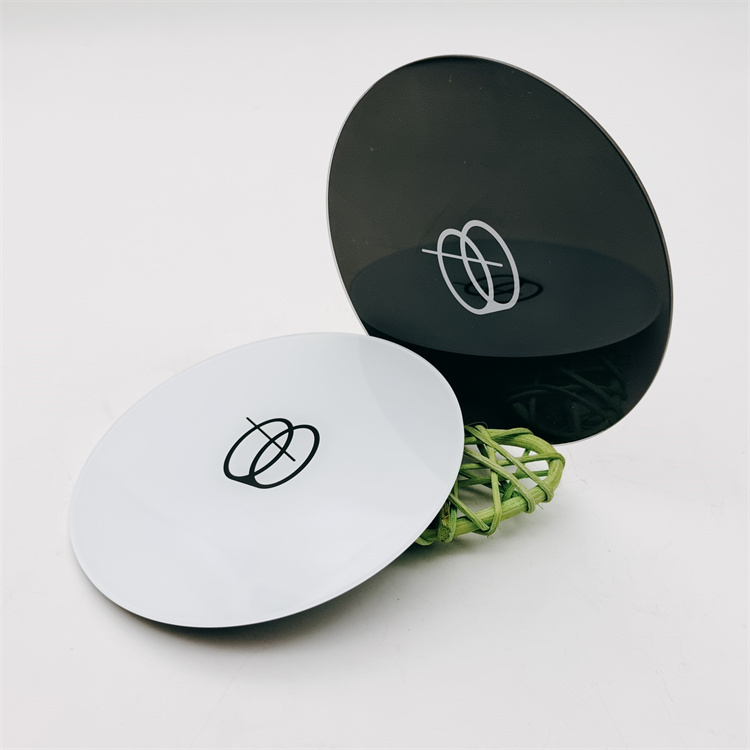
Black White Silk Screen Printing Toughened Glass Round Tempered Glass for Electric Appliance
Printed round cover glass for appliance interfaces, display bezels and control areas. Suitable for Montreal appliance brands that need white/black graphics, transparent windows and consistent ink coverage.
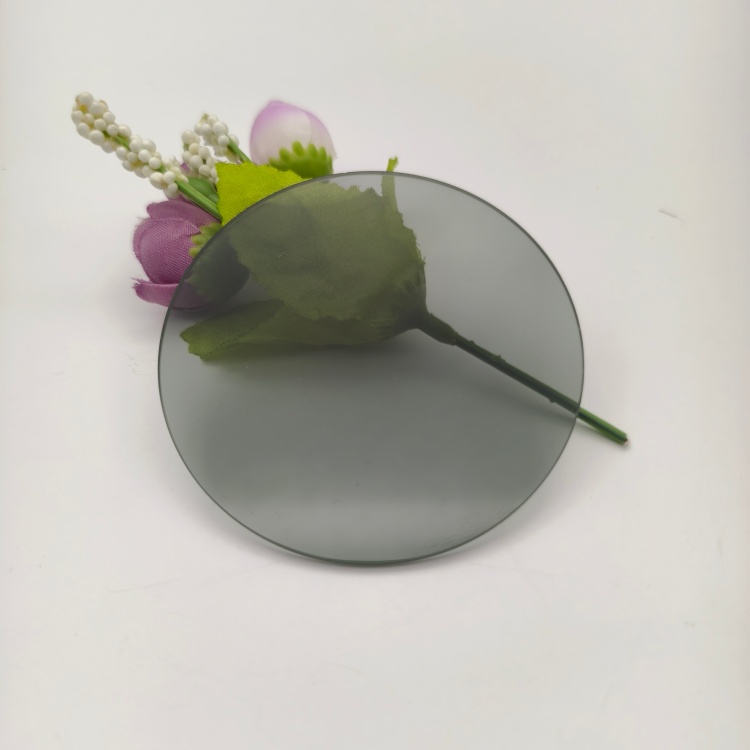
Factory Customized High Strength 2mm 3mm 4mm 5mm Tempered Black Glass Bulletproof & Decorative Flat Surface
Black tempered flat glass for decorative, appliance and equipment front panels. Project-specific security or impact claims should be defined against the required test standard before sampling.
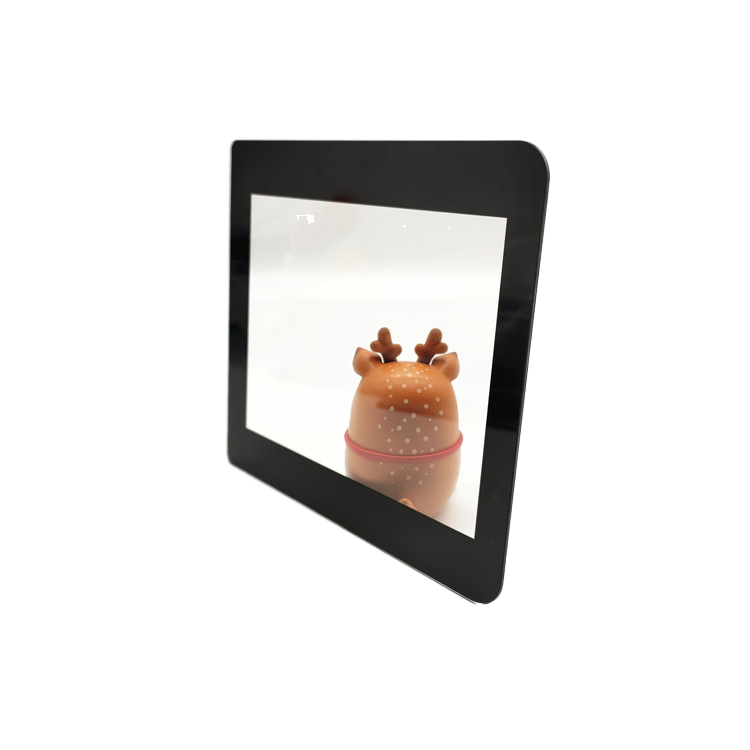
Industrial Use Electronic Glass 1mm/2mm/3mm/4mm Tempered Glass Display Screen Window Protection Cover
Tempered protective glass for industrial displays, instrument windows and equipment viewing areas. A strong fit for Montreal factories and labs evaluating glare control, cleaning resistance and long-term readability.

Both Sides Anti Reflective AR Coating 1mm 2mm 3mm 4mm Ultra Clear Tempered Glass
Double-sided AR coated ultra-clear glass for display windows where reflection loss and contrast matter. Use AR when the priority is light transmission; use AG when the priority is diffusing strong ambient glare.
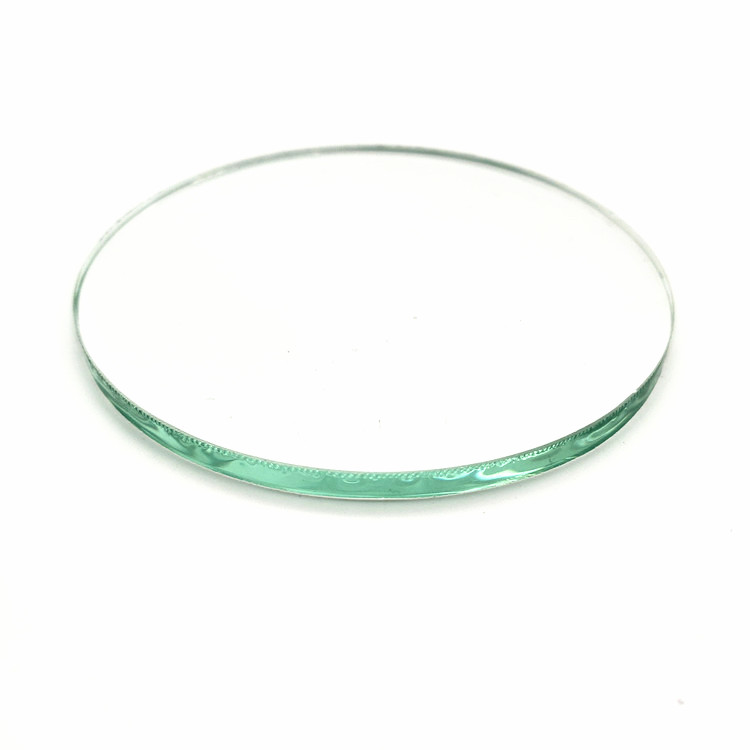
Customized Clear Flat Solid Tempered Glass Pieces 1mm-19mm for Industrial Lighting and Various Applications
Clear tempered glass for industrial lighting, architectural fixtures and general custom applications. Thickness range supports enclosure designers working from compact LED modules to larger luminaires.
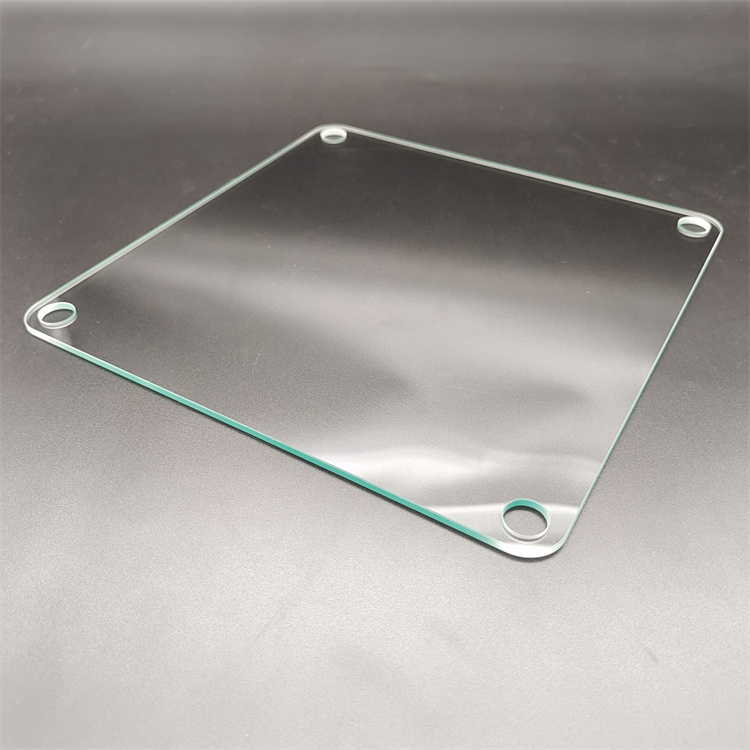
Factory Sale Customized Shape Decorative Glass Cover Hole Drilling Glass Panel Soda-lime Tempered Glass Sheet With Holes
Custom-shaped printed or decorative glass with drilled holes for knobs, sensors, screws and connectors. Useful for control panels, card readers, instrument covers and building-access devices.

Small Size Ultra Thin 0.5mm 0.7mm 1mm Tempered Glass Panel With Adhesive Tape for Screen Protection
Thin tempered glass with adhesive for screen protection, touch modules and compact electronic assemblies. Suitable for Montreal product teams that need lighter stacks and simpler assembly.

Customized Industrial Lighting Solid Flat Ultra Clear Frosted Tempered Glass with Beveled Step Edge
Ultra-clear frosted tempered glass with beveled step edge for lighting and industrial design. Frosted surfaces can help diffuse light and reduce harsh reflections; final haze and gloss targets should be approved by sample.
Why AG Cover Glass Specification Is Different for Montreal
Montreal buyers searching for AG cover glass factories are usually not only comparing price per square meter. They are trying to reduce glare in bright commercial interiors, keep outdoor kiosks readable through winter weather, protect touch panels from fingerprints and ensure the final product looks consistent across French and English user interfaces.
Montreal is a distinctive North American market. Its commercial core includes glass-heavy offices, retail streets, transit-adjacent wayfinding, universities, healthcare campuses and a growing network of smart-building and EV-charging interfaces. Products that look acceptable in a showroom can fail beside a window, under snow-covered daylight or inside a brightly lit clinic. That is why an AG cover glass project should begin with the viewing environment, not just a thickness list.
Anti-glare glass diffuses reflected light so the display remains readable when sunlight, ceiling fixtures or camera lighting hit the surface. It is different from AR glass, which reduces reflection to improve light transmission and contrast, and different from AF coating, which resists oil, sweat and fingerprints on touch surfaces. A Montreal touch product may need AG plus AF; a high-brightness display window may need AR; a public kiosk may need a combination defined by sample testing.
For procurement teams, the most useful supplier is one that can convert a drawing into a manufacturing route: substrate choice, thickness, tempering, edge finish, hole drilling, printing, AG etching or coating, AR/AF layers, adhesive and export packing. This is the information gain that separates a trusted exporter from a catalogue seller.



Where AG Cover Glass Creates Value in Montreal
These are the application scenarios that most often drive supplier inquiries from Montreal product teams, integrators and distributors.
Outdoor Wayfinding & Transit-Adjacent Kiosks
Montreal’s freeze-thaw cycles, snow, rain and low winter sun make outdoor readability a real engineering issue. AG treatment can diffuse glare, while AF helps reduce smudges on touch surfaces. Edge polishing, tempered glass and protective packing should be specified together.
Retail, Banking & POS Displays Near Windows
Storefront and branch displays compete with large windows and bright ceiling lighting. Anti-glare cover glass can protect readability, while printed borders hide bonding areas and maintain brand consistency. French and English interface artwork can be reviewed during sampling.
Smart-Building & HVAC Control Panels
Building controls often use printed tempered glass with icons, transparent windows and touch keys. Montreal commercial projects may require bilingual labels, durable print and consistent flatness for flush installation. Thicknesses from 0.5 mm to 4 mm are common.
Industrial Automation HMIs
Montreal manufacturers and equipment builders need HMI windows that resist cleaning, glare and accidental impact. AR or AG treatments can improve viewing in machine shops and production cells, while drilled holes and printed windows simplify sensor and button integration.
Medical, Lab & Imaging Equipment
Low-reflection cover glass improves screen clarity in clinics, labs and imaging rooms. Buyers should confirm cleanability, coating durability and substrate quality. Sample evaluation under real indoor lighting is more valuable than a glossy brochure claim.
EV Charging, Parking & Access Panels
Outdoor charging and access panels face road spray, temperature swings and direct sunlight. Tempered glass, black printed borders, beveled or flat-polished edges and AF coating can improve durability and user experience. Packaging must protect edges during winter freight.
Procurement Shifts Reshaping AG Cover Glass Demand
Google search intent around “AG cover glass supplier,” “anti glare glass factory” and “tempered display glass exporter” is moving toward evidence: samples, process control, coating combinations, bilingual artwork and predictable export delivery.
Glare Control Is Becoming a Design Requirement
As commercial spaces use more glass and brighter LED lighting, glare is no longer an afterthought. Product teams increasingly ask for haze/gloss targets, reflected color checks and viewing tests before approving AG glass.
Cold-Climate Reliability and Export Packing
Montreal winter freight exposes glass to vibration, humidity and temperature change. Interleaved paper, edge protection, moisture control and reinforced cartons matter as much as the glass specification.
Bilingual Printing and Brand-Specific Windows
French and English interface artwork, icons, transparent display windows and Pantone-matched borders are common. A qualified supplier should review artwork, window size and print sequence before tooling.
Thin Glass and Touch Integration
0.5 mm, 0.7 mm and 1 mm glass with adhesive tape is increasingly used in compact electronics. Thin glass reduces weight, but edge quality, flatness, adhesive choice and handling control become more critical.
Combined Optical Treatments
AG plus AF is common for touch kiosks. AR plus AF is common when clarity and smudge resistance both matter. Combined treatments should be validated as a stack, not selected from isolated data sheets.
Traceability and Supplier Evidence
Montreal buyers increasingly ask for process descriptions, inspection points, sample reports and export experience. A factory that can explain how cutting, tempering, printing and coating are controlled is easier to approve.
AG vs AR vs AF vs Ultra Clear: A Buyer’s Selection Matrix
Use this matrix as an early-stage specification aid. Final optical values depend on glass thickness, substrate, coating stack, printing and the viewing environment.
| Glass / Treatment | What It Solves | Typical Montreal Uses | Engineering Note |
|---|---|---|---|
| AG Anti-Glare | Diffuses reflected light so strong ambient glare is less disruptive. | Outdoor kiosks, bright retail displays, factory HMI windows, building controls. | Define haze and gloss range by sample; finer texture suits high-resolution displays. |
| AR Anti-Reflective | Reduces surface reflection and increases light transmission. | Medical monitors, industrial displays, camera windows, high-clarity covers. | Single- or double-sided coating changes performance; confirm coating durability. |
| AF Anti-Fingerprint | Resists oil and smudges and improves touch feel. | Touch panels, smart switches, POS terminals, EV charging interfaces. | Usually applied as a top layer over the selected optical treatment. |
| Ultra Clear Low-Iron | Reduces green tint and supports accurate color. | Premium display covers, LED lighting, white printed appliance panels. | Pair with light ink colors and edge-polished finishes to avoid a greenish edge tone. |
| Silk Screen / Ceramic Printed | Hides wiring, adds logos, icons, borders and transparent display windows. | Switch plates, appliance controls, instrument panels, access readers. | Send Pantone codes, window dimensions and tolerance requirements with the drawing. |
| Tempered Glass | Improves impact resistance and safer breakage behavior. | Public interfaces, industrial equipment, lighting fixtures, control panels. | Drill and edge before tempering; post-tempering machining is not suitable for safety-critical parts. |
Relative optical performance is intentionally visual, not a universal numeric claim. Coatings, substrate and stack design must be approved by physical samples, especially for Montreal projects with seasonal lighting and bilingual interface graphics.
Why Choose Dongguan Jaswe Glass as Your AG Cover Glass Export Partner?
Montreal buyers need a supplier with real processing depth, not a trading description. Dongguan Jaswe Glass Co., Ltd. is built around custom glass processing, export communication and repeatable production.
Glass Processing Expertise from the Manufacturing Hub
Based in Dongguan, Guangdong, China, Dongguan Jaswe Glass Co., Ltd. processes custom tempered glass, ultra-clear glass, display glass, touch screen glass, silk screen printed glass, switch glass, AR / AG / AF coated glass, electrical equipment glass and LED lighting glass. For Montreal export projects, this means one supplier can handle cutting, CNC shaping, edge polishing, hole drilling, tempering, printing, AG processing and AR / AF coating.
Most of the 80+ operators have over eight years of hands-on glass processing experience. That experience matters on tight-tolerance work such as ultra-thin 0.2 mm cover glass, multi-color printing with transparent display windows and display glass where a small handling mark becomes a visible defect.
“Scientific management, careful manufacture, high quality service, striving for excellence.”
Five Steps from Your Montreal Project Drawing to Export Packing
A transparent workflow for overseas buyers who need predictable quality, clear communication and fewer surprises between sample approval and production.
Send Requirements
Share drawing, thickness, edge, printing, coating, haze/gloss target and annual volume.
Engineering Review
Manufacturability check, material route, tolerance review and sample plan.
Sampling
Physical samples for fit, print color, edge, optical effect and touch evaluation.
Production & QC
Batch production with inspection at cutting, edging, tempering, printing and coating stages.
Packing & Export
Interleaved, edge-protected packing prepared for Montreal freight and customs handling.
Common Local Procurement Questions About AG Cover Glass
These answers reflect the questions we most often receive from North American buyers evaluating custom glass for displays, touch panels and control interfaces.
What is AG cover glass, and when should Montreal buyers choose it instead of AR glass?
AG cover glass diffuses reflected light, making screens easier to read under bright ambient lighting such as windows, outdoor sun or strong ceiling lights. AR glass reduces surface reflection to improve transmission and contrast. If the main problem is glare, start with AG. If the main problem is reflection loss or image clarity, evaluate AR. Touch products may benefit from AG plus AF.
Can AG be combined with AF or AR coating?
Combinations are possible depending on the substrate, coating stack and required durability. AG plus AF is common for touch surfaces. AR plus AF is common for high-clarity touch displays. Combined treatments should be quoted and validated as a system, because one layer can affect the final gloss, haze, color and abrasion performance.
What thicknesses are available for display and control-panel glass?
Our product range covers ultra-thin electronic-grade glass from 0.2 mm up to 19 mm flat tempered glass. For Montreal display and touch projects, the most requested thicknesses are 0.5, 0.7, 1, 2, 3 and 4 mm. Final selection depends on impact requirements, bonding method, print design and enclosure design.
What is the minimum order quantity for custom AG cover glass?
Most custom items start at 100 to 500 pieces depending on size, printing, coating and material. Standard clear tempered pieces may be available in smaller sample quantities for evaluation. For a precise answer, send a drawing, annual volume and target sample date.
How do you ship to Montreal, and how is glass packed?
We prepare export packing for international freight with interleaving, edge protection and reinforced cartons. The best shipping method depends on size, volume, Incoterms and urgency. Montreal buyers commonly compare air, sea and cross-border transport with their freight forwarder. We provide packing details and shipping documents so the buyer can coordinate customs and delivery.
How are haze, gloss and reflected color controlled for anti-glare glass?
AG performance is approved by sample. The project should define the viewing environment, acceptable gloss range, haze level and reflected color. We recommend testing samples under daylight, warm indoor lighting and the actual display brightness. This is especially important for glass-heavy Montreal retail, office and clinic environments.
Can you support French and English printing for control panels?
Yes. Artwork review can include French and English icons, labels, transparent windows and Pantone color targets. For regulated products, the final label, manual and compliance responsibilities remain with the device brand or importer. We can support the physical glass printing and document the approved artwork.
How do we start a custom glass project with an engineering review?
Send your drawing in DXF, DWG or PDF, along with thickness, edge type, printing colors, coating requirement, application, annual quantity and target delivery date. Our engineers review manufacturability, propose the process route and advise on samples before mass production. Use the inquiry button on this page to start the conversation.
Request an Engineering Review for Your Montreal AG Cover Glass Project
Share your drawing, target viewing environment, thickness, haze or gloss requirement, printing colors and estimated annual volume. Our team will reply with manufacturability notes, a sample plan and export quotation guidance for the Montreal market.