8 Recommended Products
AG & Optical Cover Glass Products for Düsseldorf Wholesalers
These eight product families cover the most common anti-glare, anti-reflective, printed, ultra-clear and precision-drilled cover glass requests from German OEMs, industrial distributors and retail technology buyers. Every item is made to drawing; thickness, outline, holes, printing and surface treatment can be customized.
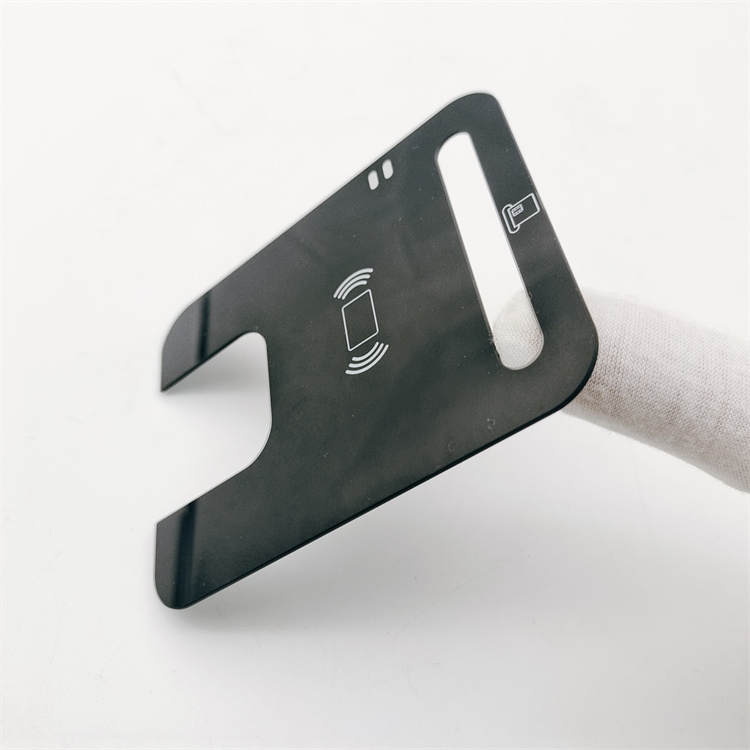
Custom Printed Tempered Glass Panel High Strength Decorative Cover with Hole for Card Reader Instrument
Tempered glass · decorative print · CNC hole · high-strength cover
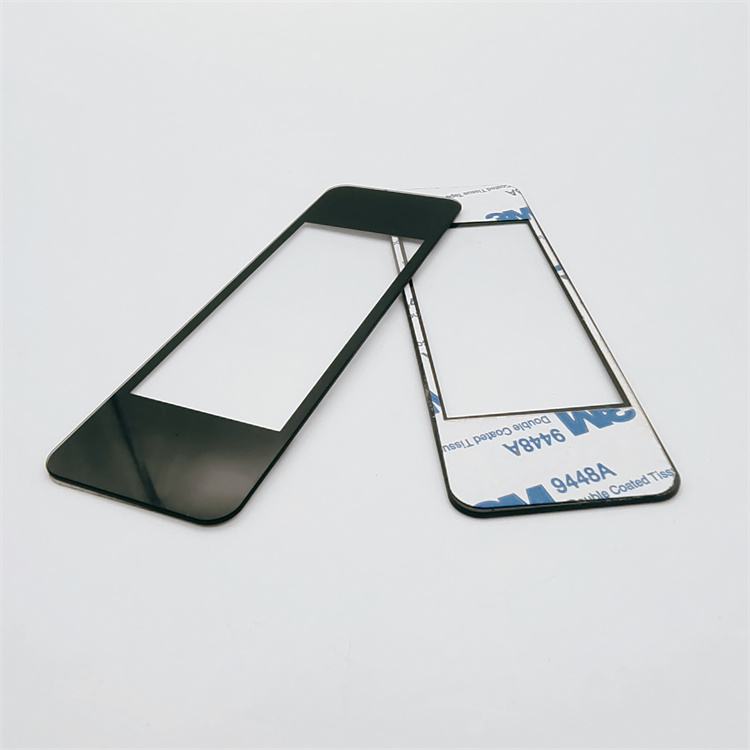
Ultra Thin 1mm Tempered Glass with 3M Tape for Screen Cover Glass
1 mm ultra-thin · 3M adhesive backing · screen protection
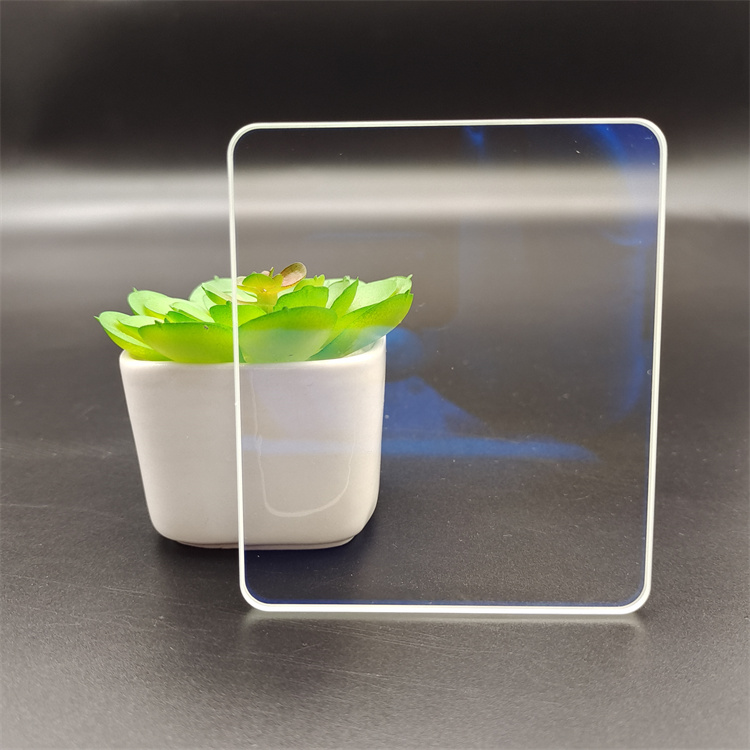
Both Sides Anti Reflective AR Coating 1mm 2mm 3mm 4mm Ultra Clear Tempered Glass
Double-sided AR · ultra-clear · 1–4 mm · tempered
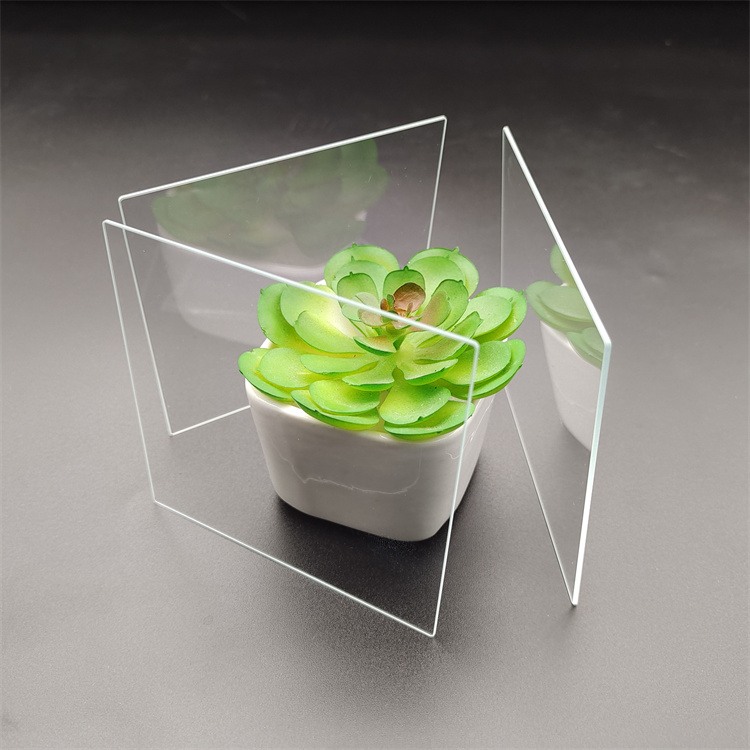
Custom 1mm 2mm 3mm 4mm 5mm Tempered Extra Clear Glass Panel for LCD Screen / LED Light / Electronic Appliance Cover
Ultra-clear low-iron · tempered · LCD / LED / appliance covers
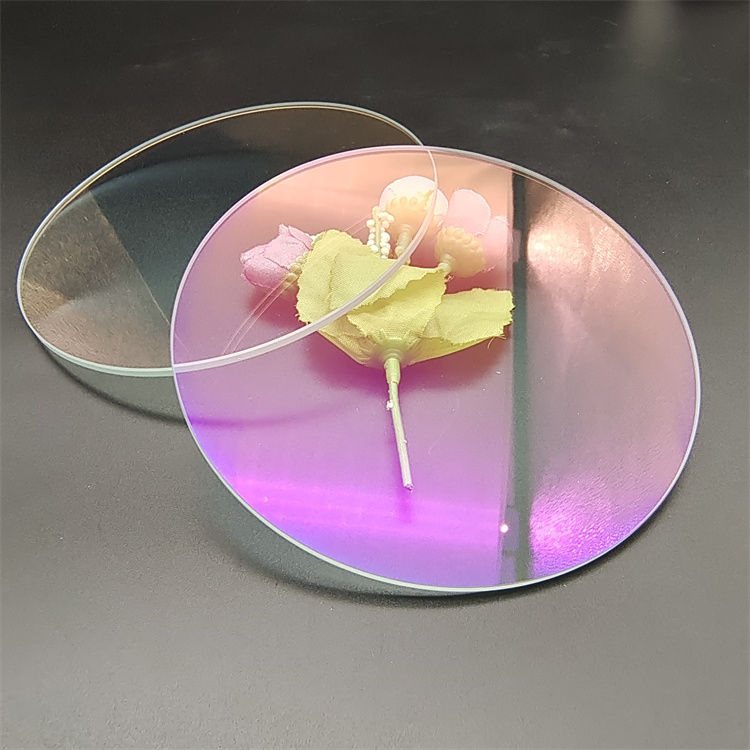
Premium Quality Ultra Clear Anti Reflective Solid High Strength 1mm 2mm 3mm 4mm 5mm 6mm Flat Tempered Glass Coating
AR coating · flat tempered · 1–6 mm · high clarity
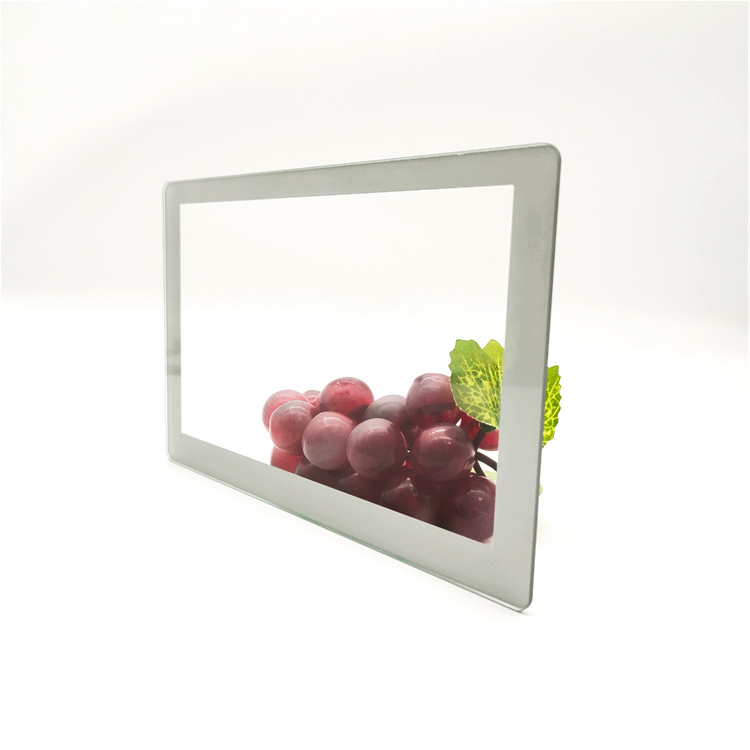
Customized High Strength Anti Glare Frosted Finish Tempered Glass LED/LCD Display Touch Panel for Monitor Screen Protector
AG frosted finish · touch panel · monitor protection · tempered
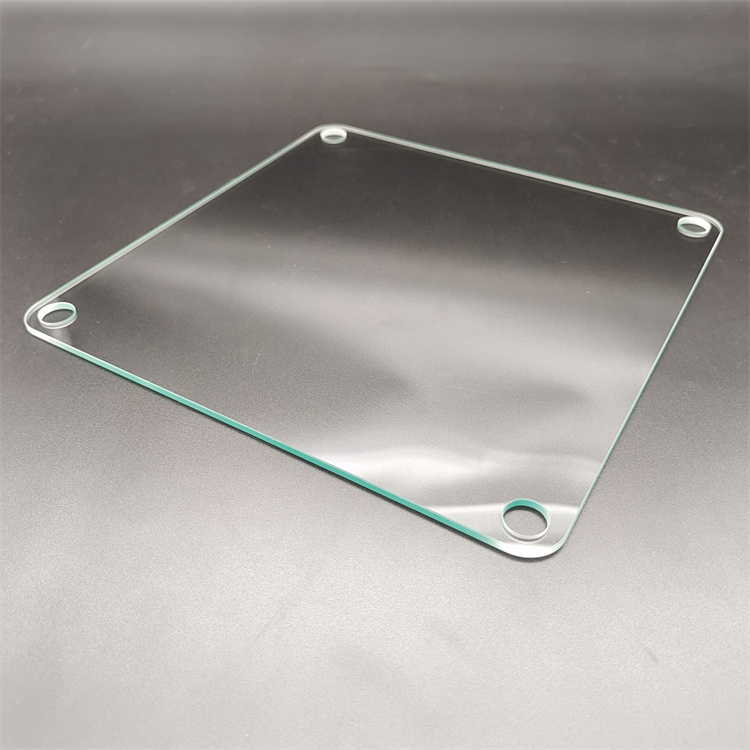
Factory Sale Customized Shape Decorative Glass Cover Hole Drilling Glass Panel Soda-lime Tempered Glass Sheet With Holes
Custom shape · drilled holes · soda-lime tempered sheet
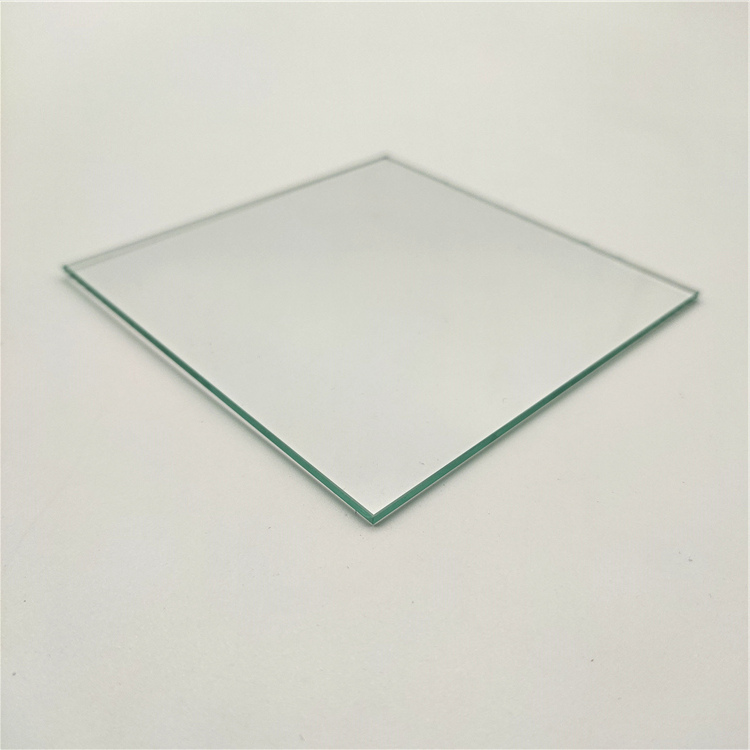
Fast Delivery Custom 1mm clear Glass Sheet
1 mm clear glass · custom cut · fast evaluation support
Need an AG sample for a Düsseldorf design review? Share your drawing, target haze and gloss, thickness, printing colors, coating requirement and estimated annual volume. Our engineering team will review manufacturability before sampling.
Contact UsExecutive Summary
A Safer Way to Source AG Cover Glass for Düsseldorf
Düsseldorf is the capital of North Rhine-Westphalia and one of Europe’s most concentrated B2B engineering, medical technology, retail and industrial design markets. For OEMs and wholesalers in the city and the wider Rhine-Ruhr region, AG cover glass is specified into touch panels, HMI enclosures, outdoor kiosks, medical monitors, smart switch plates, POS terminals and LED fixtures. A trusted supplier is not simply one that sells glass sheets; it is a partner that can control haze, gloss, flatness, edge quality, printing, coating adhesion and logistics documentation.
Why the Düsseldorf market needs a different sourcing conversation
Anti-glare problems are often most visible in bright, glass-heavy, densely lit environments. Düsseldorf’s retail corridors, exhibition halls, airport, medical campuses and industrial parks create exactly that environment. When a display reflects ceiling lights or daylight, users perceive lower contrast, read more slowly and sometimes touch the wrong target. AG treatment is therefore not a cosmetic add-on; it is an optical and human-factors decision.
Local procurement teams also evaluate total landed cost. A lower-priced glass that creates yield loss during assembly, delamination during cleaning, or damage in transit is not a lower-cost solution. Düsseldorf buyers increasingly ask for batch-level inspection records, packaging photos before shipment, and a clear change-control process for print color or coating thickness.
What this guide adds beyond a product list
- Application logic: which AG, AR, AF or ultra-clear glass fits medical, industrial, retail, mobility and building-control use cases.
- Technical language: haze, gloss, transmittance, roughness, adhesion and flatness — the numbers that separate repeatable AG glass from a generic “matte” finish.
- Local procurement context: Düsseldorf-area shipping, documentation, sample validation, MOQ and EU-facing quality questions.
- Supplier evidence: in-house processes, capacity, response rate and reorder data from Dongguan Jaswe Glass Co., Ltd.
Technical Foundation
How AG Cover Glass Performs in Real Düsseldorf Environments
Anti-glare glass works by scattering reflected light instead of allowing a sharp mirror image to form on the display surface. The result is lower glare, easier reading and better touch confidence under strong ambient light. However, “AG” is not a single specification. Two samples can both look matte and perform very differently on a high-resolution display, a medical monitor or a retail kiosk.
Optical balance
AG treatment should reduce reflection without making a high-resolution screen look grainy. Buyers should discuss viewing distance, pixel density, ambient lighting and the acceptable haze range before sampling. A finer AG surface is often preferred for close-up monitors; a stronger diffusion may suit a large public signage panel.
Surface durability
Touch displays in retail, medical and industrial settings are cleaned frequently. Coating adhesion, abrasion resistance and compatibility with approved cleaning agents matter. AF anti-fingerprint coating can be added over AG or AR to reduce smudging and improve the touch feel, but the stack must be validated as a system.
Mechanical reliability
Thickness, edge quality, hole positions, tempering and flatness influence breakage during assembly and end use. For a Düsseldorf OEM, the glass is usually only one part of an enclosure. The supplier must understand gasket compression, adhesive curing, screw clamping and thermal expansion so the glass does not become the weak point.
Supplier Evaluation
How to Compare AG Cover Glass Suppliers for the Düsseldorf Market
A reliable supplier should be able to answer process questions, not only quote a price per square meter. Use the following framework during RFQ review, sample approval and pre-production meetings.
| Evaluation criterion | Why it matters to a Düsseldorf buyer | Evidence to request |
|---|---|---|
| Optical specification discipline | AG glass that is not measured can vary from batch to batch, creating display readability issues and customer complaints in Germany. | Haze, gloss, transmittance and roughness data; samples viewed under representative lighting; agreed inspection standard. |
| In-house process control | Cutting, polishing, hole drilling, tempering, printing and coating interact. Multiple subcontractors increase tolerance and accountability risk. | List of in-house steps; control plan for edges, holes, printing and coating; process route for your drawing. |
| Printing and color consistency | Smart switches, appliance panels and card-reader covers often depend on precise windows, icons and brand colors. | Pantone matching capability, print window tolerance, sample under D65 or agreed light source, ink durability information. |
| Coating durability and cleaning | Düsseldorf medical, retail and industrial users clean displays daily. Coating failure is visible and costly. | Adhesion test method, abrasion test method, cleaning-agent compatibility list, recommended handling procedure. |
| Sample-to-mass-production discipline | A good sample is not enough. The approved sample must remain the reference for mass production and change control. | Golden-sample procedure, batch traceability, first-article inspection, deviation approval workflow. |
| Export packaging and logistics | Long-distance transport to Düsseldorf must protect edges, corners, coatings and printed surfaces. | Packaging photos, interleaving method, edge protection, carton or crate specification, shipment inspection record. |
| Communication speed | Engineering questions during sampling can delay a launch or a trade-fair deadline. | Response-time commitment, English-language technical communication, drawing feedback before quotation. |
| Repeat-buyer evidence | A high reorder rate suggests that quality, delivery and communication are repeatable, not accidental. | Public supplier assessment, transaction history, buyer reviews and reorder statistics where available. |
For the Düsseldorf market, request both a visual sample and a documented inspection method. This reduces the risk of a “sample looks good, mass production looks different” outcome.
Local Application Scenarios
Where AG Cover Glass Goes to Work in Düsseldorf and North Rhine-Westphalia
The Rhine-Ruhr region combines industrial automation, medical technology, retail infrastructure, logistics and public-facing digital services. These environments create specific expectations for display glass — clarity, cleanability, touch comfort and long-term reliability.
Medical technology and diagnostics
Düsseldorf and the surrounding MedTech cluster support hospitals, laboratories, device makers and suppliers connected to events such as MEDICA and COMPAMED. Monitor covers often need high transmittance, low reflection, easy cleaning and reliable anti-fingerprint performance. A 1–3 mm ultra-clear glass with AR + AG + optional AF coating is a common starting point, with printed windows where the display or sensor must remain visible.
Industrial automation and HMI controls
North Rhine-Westphalia has a dense machine-building and process-control base. Industrial HMIs often face bright factory lighting, oil mist, cleaning chemicals and rough handling. AG tempered glass with polished edges and CNC holes for buttons, sensors or fasteners is usually specified. The supplier should understand flatness, gasket compression and the interaction between glass and the enclosure.
Smart retail, POS and kiosks
Düsseldorf’s retail, hospitality and exhibition economy uses self-service kiosks, card readers, digital signage and point-of-sale terminals. Here, AG + AF glass helps reduce glare and fingerprints while printed decorative layers hide wiring and add branding. Precision holes for cameras, card slots or sensors must be consistent from batch to batch.
EV charging and mobility infrastructure
Public charging stations and mobility terminals require outdoor readability, anti-vandal robustness and resistance to repeated cleaning. Thicker tempered AG glass, sealed edges and compatible gasket design are often discussed. For Düsseldorf buyers, the glass specification should be reviewed together with the housing, display stack and service access strategy.
Smart building and switch glass
Hotel, office and residential controls increasingly use printed glass plates for switches, room panels and access interfaces. Low-thickness printed tempered glass with AG or AF treatment can create a premium appearance while resisting fingerprints. Key risk areas are print color consistency, window alignment, edge quality and adhesive compatibility.
Digital signage and public information
Airport, trade-fair, transit and public-sector displays often face large glass surfaces and strong overhead lighting. AG treatment improves perceived contrast, but the haze level must be balanced against image sharpness. For these projects, agree viewing distance, expected light conditions and cleaning method before finalizing the glass stack.
Market Trends 2025–2026
What Düsseldorf Wholesalers and OEMs Are Asking For
Procurement expectations have moved beyond “a matte glass sheet.” The strongest AG cover glass suppliers are being asked to provide optical evidence, robust packaging, flexible sampling and a clear path from prototype to serial production.
AG + AR + AF as a combined stack
Touch products increasingly combine anti-glare diffusion, anti-reflective coating and anti-fingerprint performance. This is especially relevant for medical monitors, retail kiosks and industrial displays where readability and cleanliness both matter.
Numerical haze and gloss targets
Buyers are moving away from verbal descriptions such as “fine matte” or “strong matte.” They want haze percentage, gloss units, transmittance and roughness ranges, plus a visual sample approval process tied to the final application.
Thin, light and tough glass
Compact devices and slim HMI enclosures continue to push demand for 0.5 mm, 0.7 mm, 1 mm and similar ultra-thin glass. For applications requiring extra strength, thickness and tempering method should be discussed together with edge quality and mounting design.
Printed glass with hidden functionality
Printed borders, icons and transparent windows can hide wiring, create brand identity and simplify assembly. The Düsseldorf market often expects precise Pantone matching and consistent window registration across production batches.
Documentation for EU-facing supply chains
German buyers frequently request RoHS and REACH-related material declarations, consistent HS codes, packing lists and traceability data. These documents should be discussed early, not after the order is placed.
Flexible MOQ and faster sampling
Prototype teams need quick feedback before committing to tooling or mass production. A supplier that can review a DXF/DWG/PDF drawing, flag manufacturability risks and produce an evaluation sample quickly has a practical advantage for Düsseldorf project timelines.
Specification Matrix
AG Cover Glass Selection Matrix for Common Düsseldorf Applications
The matrix below is a starting point for engineering discussions. Final thickness, coating stack, print design and inspection criteria must be validated with a physical sample.
| Application | Recommended glass direction | Optical points to discuss | Procurement checkpoint |
|---|---|---|---|
| Outdoor touch kiosk | 2–4 mm tempered AG + AF, optional AR | Haze and gloss under daylight; transmittance; sparkle versus viewing distance | Edge sealing, cleaning test, gasket compatibility, packaging protection |
| Medical monitor or diagnostics | 1–3 mm ultra-clear AR + AG + optional AF | High transmittance, low reflection, color neutrality, cleanability | Cleaning-agent compatibility, print window accuracy, batch traceability |
| Industrial HMI | 2–4 mm tempered AG, optional printed border | Balanced haze, readable touch surface, reflection control under factory lighting | Hole tolerance, edge polish, flatness, chemical resistance |
| Smart switch / appliance panel | 0.7–2 mm printed tempered glass with AG or AF | Gloss level, print color, icon clarity, fingerprint resistance | Pantone matching, window registration, adhesive compatibility |
| POS terminal / card reader | 1–2 mm tempered AG + AF, printed cover with hole | Touch clarity, smudge resistance, visual contrast | Hole position, drop packing, decorative print durability |
| LED / display cover | 1–4 mm ultra-clear or AG-coated glass | Light diffusion, transmittance, surface appearance | Thermal exposure, print fade resistance, size and flatness |
Data View
Comparing Optical and Touch Surface Priorities
The chart below is illustrative, not a guaranteed product specification. It is intended to help project teams align on priorities before requesting samples.
Relative priority in AG touch displays
Higher emphasis does not mean every project needs the maximum value. Medical and optical applications may prioritize clarity; outdoor kiosks may prioritize glare diffusion.
Typical coating stack discussion
Layer order, curing method and durability tests should be confirmed with the glass processor before mass production.
Manufacturer Advantage
Dongguan Jaswe Glass: A Custom Glass Supplier Built for Export Projects
Jaswe Glass is not a local Düsseldorf warehouse; it is a custom glass processing manufacturer and export supplier based in Dongguan, Guangdong, China. For buyers in the Düsseldorf market, the practical advantage is a single production partner that can combine cutting, CNC shaping, edge polishing, hole drilling, tempering, printing, AG processing and AR/AF coating under one roof.



Why this matters for AG cover glass
AG performance is not created by a single machine. It depends on the substrate, cutting quality, edge stress, print curing, coating preparation, cleaning and packing. When these steps are coordinated under one quality system, it is easier to keep the approved sample and the mass-production batch aligned. That is especially valuable for Düsseldorf OEMs working with medical monitors, industrial HMIs, printed switch plates and custom touch panels.
“Scientific management, careful manufacture, high quality service, striving for excellence.”
In-house scope includes cutting, special-shaped and CNC cutting, edge polishing, hole drilling, tempering, silk screen and ceramic printing, AG processing, AR coating and AF coating. Our public buyer response rate is 96.61%, with an average reply time within 3 hours. These figures are not a substitute for sample approval, but they are useful indicators when comparing suppliers for a Düsseldorf project timeline.
Local Procurement FAQ
Common Questions from Düsseldorf Buyers
These are the questions engineering and purchasing teams most often ask when sourcing AG cover glass for Germany and the wider EU market.
Are you a local Düsseldorf supplier or a China-based manufacturer?
What is the minimum order quantity for AG cover glass?
Can you produce AG glass to a DXF, DWG or PDF drawing?
What thickness should we choose for an AG touch display?
How do you measure AG quality?
Can AG, AR and AF treatments be combined on one glass panel?
How long does sampling take for a Düsseldorf project?
What shipping options are used for Düsseldorf?
What documents can be prepared for German customs and compliance review?
How do we start a custom AG cover glass project?
Next Step
Request a Düsseldorf-Ready AG Cover Glass Quotation
Share your drawing, target haze and gloss, thickness, printing colors, coating requirement and estimated annual volume. Our engineering team will review manufacturability and recommend the most practical glass stack for your application.