Eight Custom Glass Platforms for Frosted, Printed, Coated and Tempered Projects
The Jacksonville market rarely buys “glass” as a generic material. Buyers specify privacy, glare control, safety behavior, print durability, coating adhesion and packaging performance. The platform list below reflects the custom glass formats most often reviewed for frosted and anti-glare programs across Northeast Florida.
For Jacksonville buyers, the practical starting point is not simply “clear versus frosted.” It is the full specification stack: substrate choice, thickness, tempering, edge work, hole layout, printing, haze level and surface coating. Frosted glass can be produced through acid etching, sandblasting or an anti-glare matte treatment, and it can be combined with tempering, low-iron glass, ceramic printing, AR coating and AF coating for touch surfaces. The eight product lines below can be reviewed as platforms for custom frosted-glass wholesale programs, subject to drawing review and sample approval.
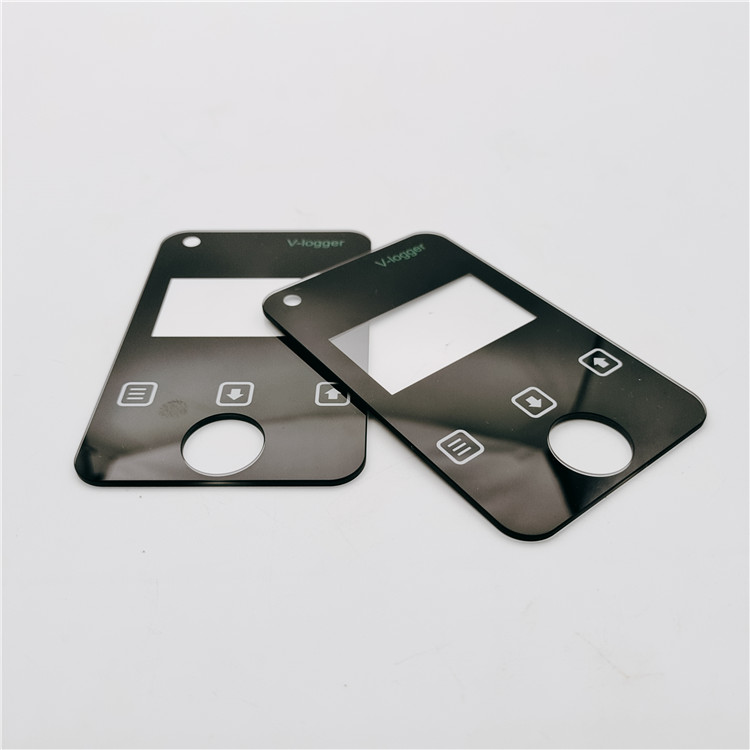
Customized Cut 1mm 2mm 3mm 4mm Instrument Printed Tempered Glass With Holes
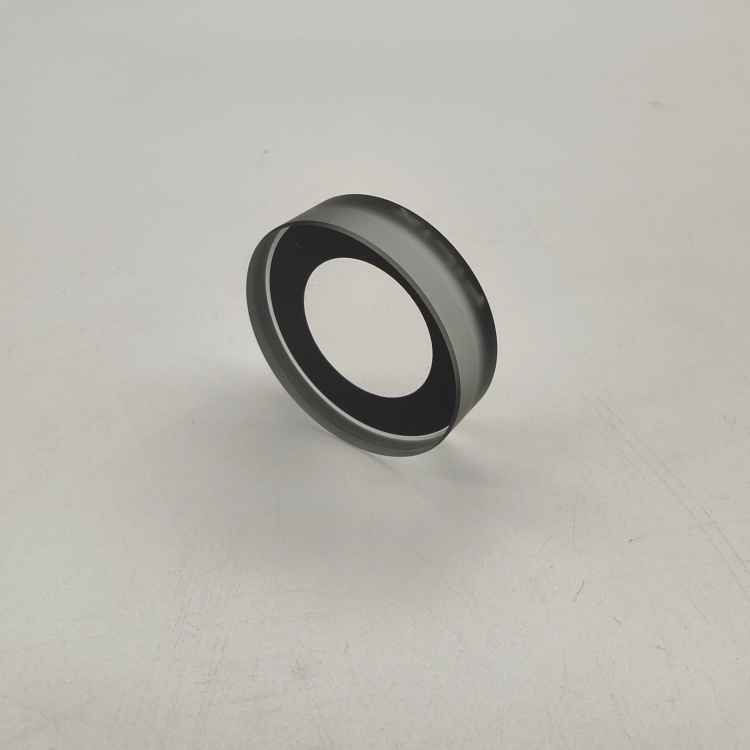
High Quality Small Diameter 10mm Thickness Round Tempered Glass with High Temperature Ceramic Printing
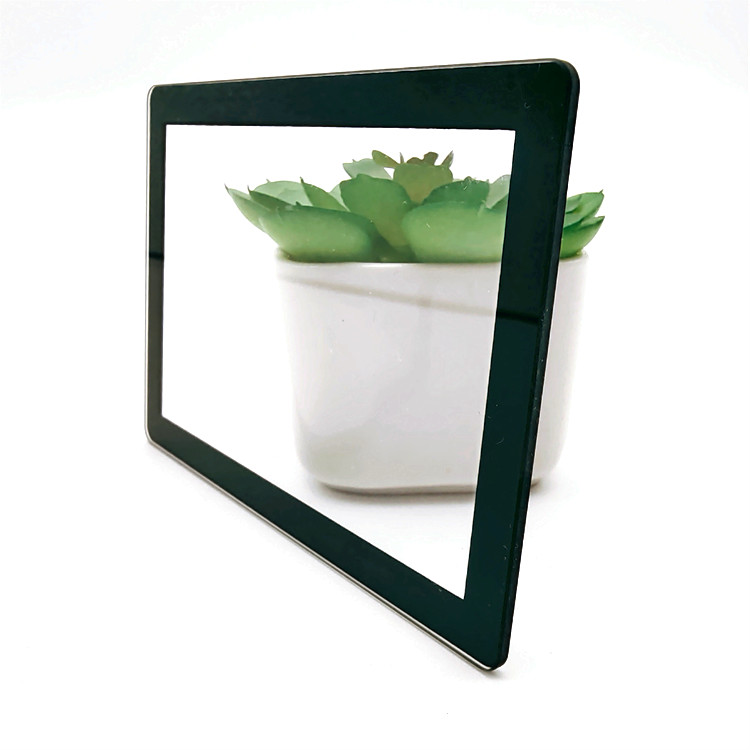
High Quality 0.5mm-6mm Solid Industrial Display Screen Tempered Glass with Printed Design High Strength & Bulletproof Protection

Custom Extra White 0.5mm 1mm 1.5mm 2mm Low Iron Tempered Glass Chemical Strengthened
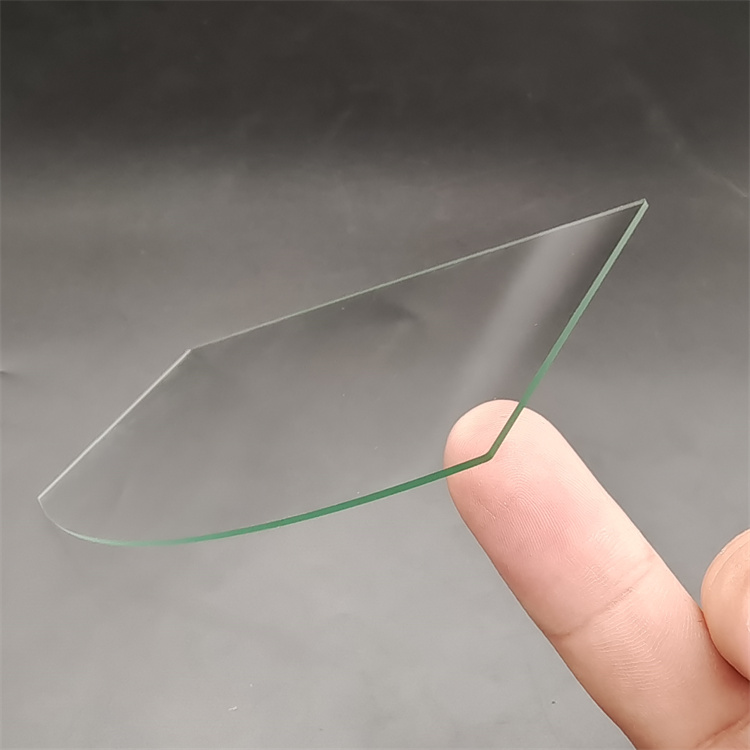
Any Size Custom 0.5/0.7/1/1.5/2/3mm Tempered Glass Screen Protector, Round Rectangle Triangle Customized Tempered Glass OEM ODM

Both Sides Anti Reflective AR Coating 1mm 2mm 3mm 4mm Ultra Clear Tempered Glass
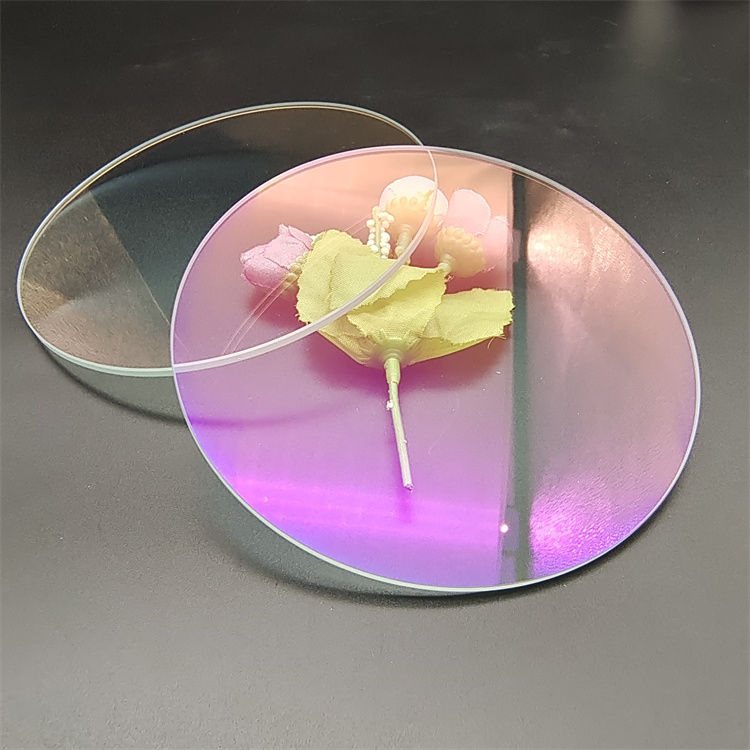
Premium Quality Ultra Clear Anti Reflective Solid High Strength 1mm 2mm 3mm 4mm 5mm 6mm Flat Tempered Glass Coating
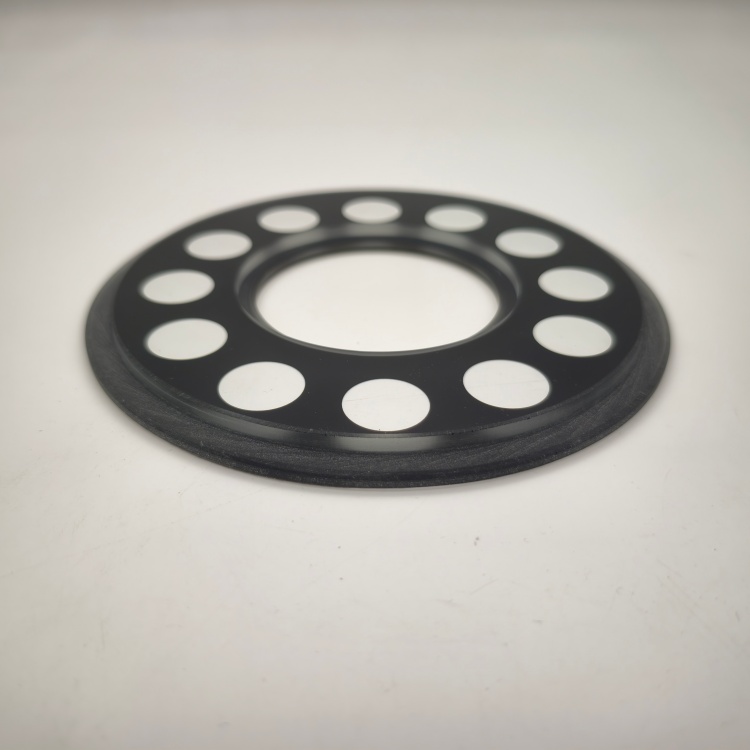
Factory Customized Round Hole Inner and Outer Double Step Edge Printed Tempered Glass for LED Lighting
Where Frosted Glass Earns Its Place in Jacksonville Projects
Jacksonville combines strong coastal sun, humid air, salt exposure near the beaches and a diverse commercial base. That mix changes how frosted glass should be specified compared with inland markets.
Coastal residential privacy
For homes in Jacksonville Beach, Ponte Vedra, Amelia Island and other coastal communities, frosted tempered glass can support shower enclosures, patio partitions, entry sidelights and interior doors while preserving daylight. Buyers should confirm whether the assembly is interior-only or exposed to salt-laden air, because edge quality and coating adhesion become more important near the coast.
Downtown office and hospitality
In downtown Jacksonville, Brooklyn, Southbank and the St. Johns Town Center area, frosted glass is often used for conference rooms, reception partitions, wayfinding graphics and branded storefront elements. The strongest specification is usually a low-iron or clear tempered substrate with a controlled haze level, custom logo printing and flat-polished edges for a clean architectural finish.
Healthcare and clinic environments
Medical, dental and outpatient facilities need privacy without making small rooms feel closed. Frosted or anti-glare glass can be used for reception screens, door panels and equipment display windows. For touch surfaces, an anti-fingerprint top layer can be added over the matte finish to reduce cleaning frequency and maintain optical consistency.
Marine and port equipment
Jacksonville’s marine industry and port ecosystem support boat builders, yacht refits, terminal equipment and control systems. Frosted display windows and printed control covers help cut glare in daylight while hiding internal components. Salt air makes substrate selection, sealing, edge polishing and export packaging part of the quality equation, not an afterthought.
Logistics and industrial HMIs
Warehouse, distribution and manufacturing teams around Jacksonville rely on control panels, scanners, touch interfaces and equipment windows. An AG anti-glare finish reduces reflections from overhead lighting and skylights, while tempered glass provides a more robust front surface for busy industrial areas.
Smart home and appliance controls
Humidity, frequent cleaning and hand contact are daily realities in Florida homes. Printed tempered glass panels with a frosted or matte top surface can be combined with anti-fingerprint coating for smart switches, appliance controls and thermostat interfaces. For visual consistency, send Pantone or RAL targets and the transparent window dimensions with the drawing.
What Jacksonville Buyers Are Asking for in Frosted Glass Programs
Across Northeast Florida, custom glass decisions are moving from single-attribute purchasing toward whole-assembly performance: privacy, safety, optical quality, maintenance and shipping reliability evaluated together.
Hurricane-season safety review
Project teams increasingly ask for tempered safety glass, verified drawings and packaging that protects edges and corners through long transit and humid warehouse conditions.
Glare control in high-sun spaces
Frosted, AG and AR options are evaluated for storefronts, kiosks, medical displays and industrial control rooms where reflected light affects readability.
Privacy without heavy tint
Architects prefer diffused daylight over dark film. Frosted glass can provide visual privacy while retaining a brighter interior and cleaner design language.
Sample-first wholesale buying
Overseas custom glass is now reviewed through physical samples, haze comparison, print color targets and packaging approval before mass production.
Jacksonville project-planning indicators
This planning chart reflects the review weighting commonly discussed with North American buyers during custom glass specification. It is not a statistical survey; it is a practical prioritization framework for aligning engineering, purchasing and installation teams.
Frosted Glass Selection Guide for Jacksonville Buyers
The most reliable specification is the one that matches the installation environment, cleaning method and visual target. Use this comparison table as an early-stage screen before requesting samples.
| Option | Best fit in Jacksonville | Key benefit | What to verify |
|---|---|---|---|
| Acid-etched frosted tempered glass | Interior partitions, doors, shower enclosures, reception screens, residential privacy | Smooth, uniform matte surface; comfortable touch feel; easy to clean | Haze level, edge polishing, tempering mark location, film or coating compatibility |
| Sandblasted frosted glass | Decorative panels, signage, feature walls, less critical optical windows | Deeper texture and varied visual depth | Texture consistency, cleaning residue, whether the roughness suits the installation |
| AG anti-glare coated glass | Outdoor kiosks, industrial HMIs, digital signage, control rooms, marine displays | Diffuses reflected light while retaining display clarity | Haze versus resolution trade-off, viewing distance, coating durability, AR/AF combination |
| Ceramic-printed diffuser glass | LED fixtures, appliance panels, lighting covers, decorative control surfaces | Hides internal components and creates a consistent diffused appearance | Ink color, firing durability, light transmission, transparent window tolerance |
| Clear tempered glass plus privacy film | Fast retrofit projects where glass is already installed | Lower initial material change and flexible design updates | Film edges, bubbling, long-term humidity performance and cleaning restrictions |
| Acrylic faux frosted panel | Lightweight interior displays or temporary projects | Low weight and easy fabrication in some local shops | Scratch resistance, UV stability, fire/safety requirements and long-term clarity |
Acid-etched finish
Recommended when a smooth, premium matte surface is needed for interior architecture, touch-adjacent panels and high-end appliance fronts.
Anti-glare matte
Useful for Jacksonville daylight and overhead lighting conditions where reflection control matters more than maximum transparency.
AR + AF stack
For premium display windows and touch interfaces, AR can improve contrast while AF helps resist fingerprints and cleaning marks.
Printed diffusion
Combines graphic identity, component concealment and light diffusion for LED, appliance and control-panel applications.
Final optical values, safety compliance and coating performance depend on thickness, substrate, print layout, coating stack and installation conditions. Physical samples should be approved before mass production.



Why Jaswe Glass Can Support a Jacksonville Wholesale Program
Dongguan Jaswe Glass Co., Ltd. is a custom glass processing supplier based in Dongguan, Guangdong, China, serving buyers in North America, Europe and Asia. The company processes tempered glass, ultra clear glass, silk-screen printed glass, switch glass, display cover glass, AR coated glass, AG processed glass, AF coated glass, electrical equipment glass and LED lighting glass.
The advantage for Jacksonville buyers is not simply factory output. It is process control under one roof: cutting, special-shaped and CNC cutting, edge polishing, hole drilling, tempering, silk-screen and ceramic printing, AG processing and AR/AF coating. Keeping these stages coordinated reduces the quality gaps that can appear when glass moves between multiple subcontractors.
Published company profile data shows 51–100 employees, 80+ skilled workers, 26 glass processing machines and monthly output above 200,000 pieces. The supplier profile also records a 96.61% response rate, an average response time of ≤3 hours and a 26% buyer reorder rate. These figures are useful for procurement teams evaluating communication reliability and repeat-order confidence, but they should still be matched against your own drawing, sample and inspection requirements.
For Jacksonville-specific programs, packaging and edge protection deserve early attention. Humid air, long ocean transit and multi-handoff local delivery can expose weak corners, poor interleaving or inadequate moisture barriers. Export packing should be reviewed together with the glass drawing, not after the order is confirmed.
Content reliability note: This guide was prepared for educational procurement use by the Jaswe Glass engineering and export team. It combines public company profile information, in-house process knowledge and common North American buyer questions. Final architectural, safety-glazing and code compliance decisions should be confirmed by a licensed Jacksonville-area design professional or authority having jurisdiction.
Five Steps from Drawing to Jacksonville Delivery
A clear workflow helps wholesale buyers, architects and contractors compare samples, control risk and plan installation schedules.
Send requirements
Share the drawing, thickness, edge type, holes, printing colors, frosted level, coating target, application and annual quantity.
Engineering review
Manufacturability, tempering route, coating compatibility and packing risk are reviewed before a sample plan is issued.
Sample approval
Physical samples help Jacksonville buyers compare haze, color, transparency, edge finish, print registration and touch feel.
Mass production
Batch production follows approved specifications with in-process inspection at cutting, edging, drilling, printing, tempering and coating stages.
Export packing
Interleaved, edge-protected and moisture-conscious packing is planned for ocean transit and final delivery through Jacksonville logistics channels such as JAXPORT or local distributors.
Enterprise Advantages That Matter to Jacksonville Purchasing Teams
Reliability is built through repeatable engineering communication, not one-time price comparison.
One-roof process control
Cutting, CNC shaping, edging, drilling, tempering, printing, AG processing and AR/AF coating are coordinated in-house to reduce handoff risk.
Fast engineering response
The company profile records a 96.61% response rate and ≤3-hour average response time, which supports faster sample decisions and drawing revisions.
Custom frosted finish integration
Matte aesthetics can be planned together with printing, coating, tempering and edge work instead of being added as a separate retrofit step.
OEM / ODM flexibility
Round, rectangular, triangular, stepped, drilled and printed formats can be reviewed from drawings, with support for private-label packing requirements.
Export packing discipline
Jacksonville buyers need protection against humidity, handling and long transit. Interleaving, corner protection and crate planning are part of the review.
Repeat-order mindset
A 26% buyer reorder rate suggests that consistent specifications and communication matter to returning buyers. Sample approval remains the quality baseline.
Popular Questions from Local Buyers and Specifiers
These are the questions most often raised when Jacksonville teams evaluate custom frosted glass sourcing from an overseas manufacturer.
Can Jaswe Glass supply frosted glass to Jacksonville businesses?
Yes. Custom frosted, acid-etched, sandblasted, anti-glare, printed, tempered and coated glass can be produced to drawing and shipped to Jacksonville. The most important first step is to explain the application, exposure conditions, target haze level and estimated annual quantity so the correct substrate and finish route can be recommended.
What is the minimum order quantity for a Jacksonville order?
Most custom items begin at 100 to 500 pieces depending on size, printing, coating and packing. Standard clear tempered pieces may be supplied in smaller sample quantities for evaluation. Frosted finishes, multi-color printing and AR/AG/AF coatings usually require a more detailed sample and production review.
Will frosted glass meet Florida safety-glazing or building-code requirements?
Safety-glazing requirements depend on the application, location, size, mounting method and local code interpretation. Jaswe Glass can supply tempered glass and production information to support your review, but the final compliance determination should be made by a licensed Florida design professional or the authority having jurisdiction in Jacksonville. Do not rely on product titles alone.
How do you address Jacksonville humidity and salt-air exposure?
For coastal or humid installations, discuss substrate, edge quality, coating durability, sealing or gasket compatibility, cleaning chemicals and packing. Frosted glass with exposed edges should be reviewed carefully. For exterior applications, confirm whether the frosted side will face the interior or exterior and how the assembly will be ventilated and cleaned.
Can you provide samples before full production?
Yes. Sample approval is strongly recommended before mass production, especially for frosted haze, print color, transparent window size, AR/AG appearance and edge finish. Jacksonville buyers should review samples under their actual lighting conditions, because coastal daylight and interior lighting can change how a matte finish appears.
What information should we send with the inquiry?
Send a DXF, DWG, PDF or dimensioned drawing; thickness; substrate preference; edge type; hole and notch locations; printing colors and window areas; frosted or AG haze target; AR/AF requirement; application; annual quantity; and delivery destination in Jacksonville. Clear input reduces engineering back-and-forth and helps the quotation match the real production route.
Do you have a Jacksonville project that needs a custom frosted, printed, tempered, AR or AG glass review? Send the drawing and application details for an engineering response.
Have a Drawing or Sample Target Ready?
Share thickness, finish, printing, coating and quantity details. The team can review manufacturability and recommend the next sampling step.