Eight glass products recommended for Semarang assembly and renovation projects
These are not generic catalogue pages. Each product answers a specific interface problem: hiding circuitry, protecting a display, framing an LED light, carrying a printed icon, or fitting a stepped control panel. For Semarang buyers, the value is in the drawing-to-sample-to-production match, not just the glass itself.

Customized Industrial Lighting Solid Flat Ultra Clear Frosted Tempered Glass with Beveled Step Edge
Recommended for premium downlights and industrial luminaires where edge safety, light diffusion and a clean fixture fit matter.

Custom Printed Tempered Glass Panel High Strength Decorative Cover with Hole for Card Reader Instrument
A printed cover for payment terminals, card readers and instrument apertures; the drilled hole and decorative window combine protection with branding.

Customized Small Size 3mm 4mm 5mm 6mm Beveled Edge Tempered Glass
Small-format glass for control plates, sensor covers, appliance windows and aftermarket replacement parts where edge finish is visible.

Custom Extra White 0.5mm 1mm 1.5mm 2mm Low Iron Tempered Glass Chemical Strengthened
Extra-white, low-iron glass for thin display windows and compact electronics where a green edge tint would weaken product presentation.
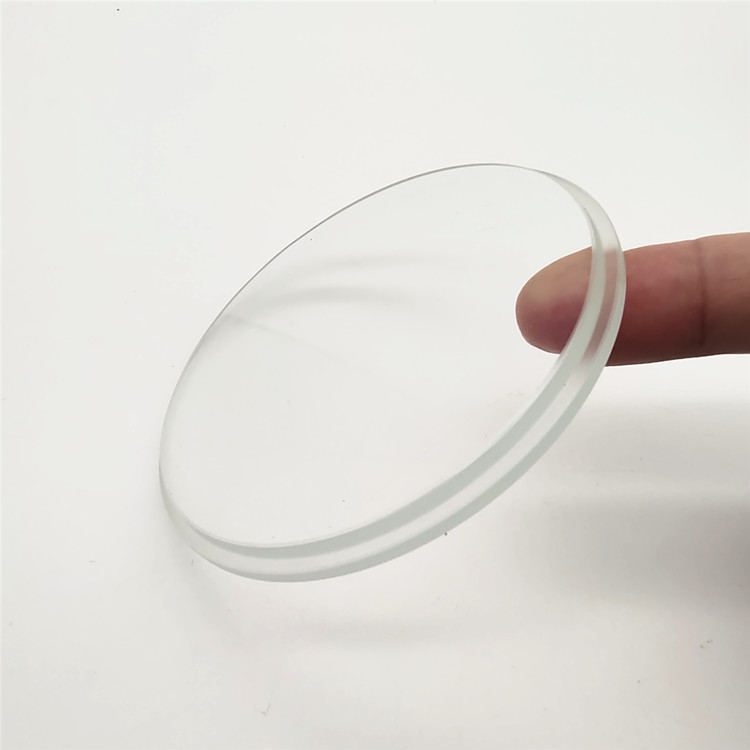
Factory Price 2mm 3mm 4mm 5mm 6mm 8mm 10mm Tempered Step Edge Glass
A practical, cost-efficient choice for lighting diffusers, equipment guards and general display windows requiring a stepped locating edge.
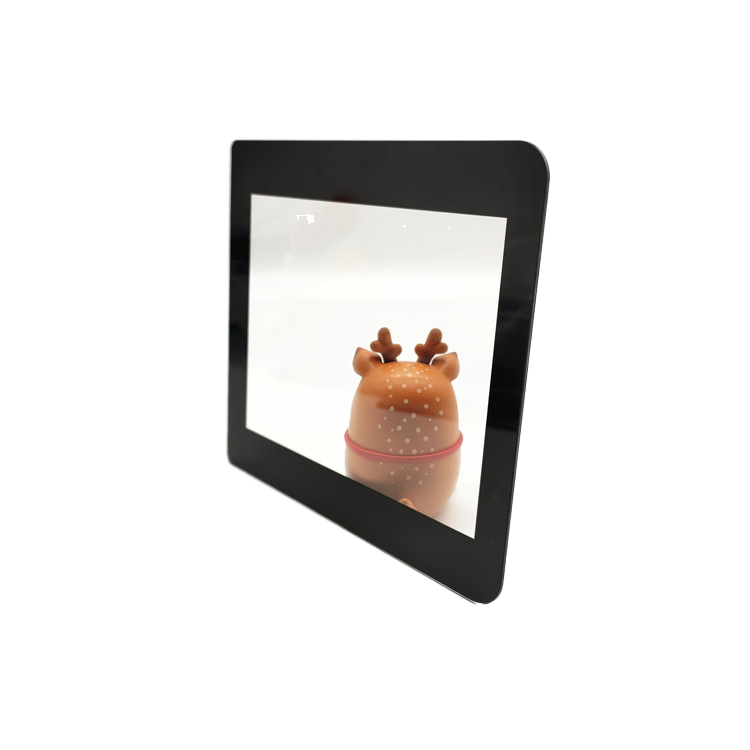
Industrial Use Electronic Glass 1mm/2mm/3mm/4mm Tempered Glass Display Screen Window Protection Cover
Protects LCD, LED and instrument modules in electrical equipment while maintaining readability through a clean optical window.
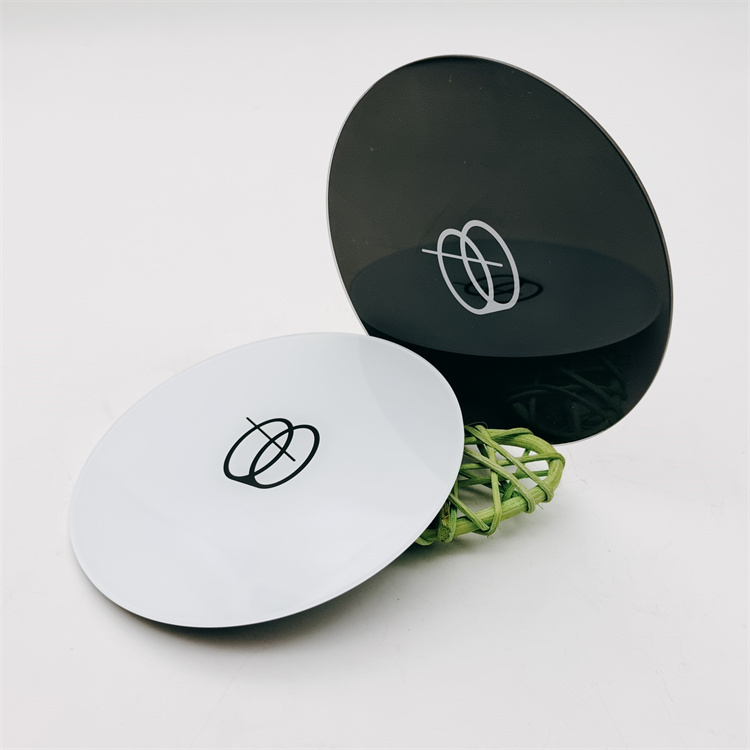
Black White Silk Screen Printing Toughened Glass Round Tempered Glass for Electric Appliance
Round printed glass for appliance control dials and decorative panels; black and white printing can hide adhesive and frame indicator windows.
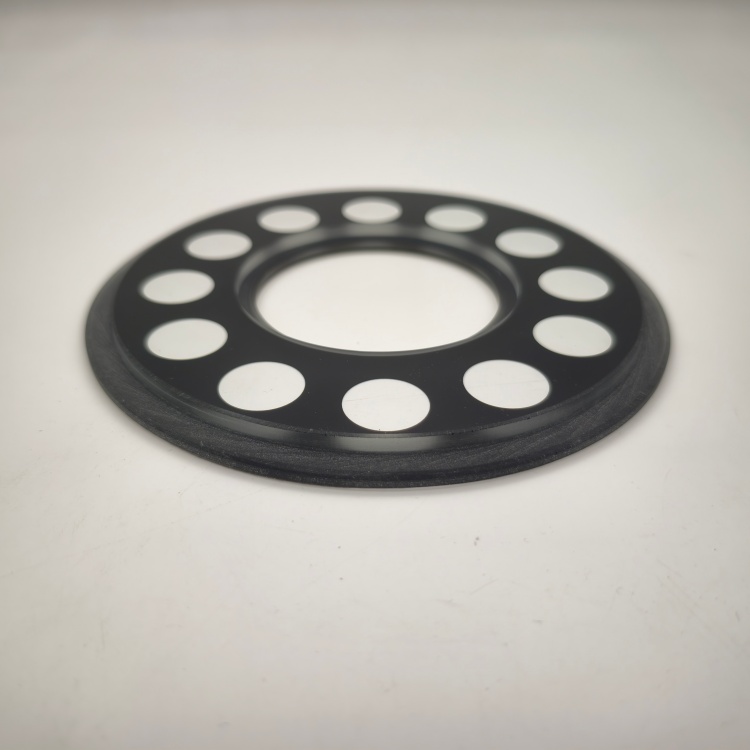
Factory Customized Round Hole Inner and Outer Double Step Edge Printed Tempered Glass for LED Lighting
Double-step printed glass for LED lighting assemblies; the round hole and stepped edge simplify centering and reduce light leakage.
Have a drawing, a sample, or a fit problem?
Send the drawing with thickness, edge type, printing colours, coating requirement and estimated annual quantity. Our engineers will review manufacturability before sampling.
What “glass painting” means in a Semarang production context
In Semarang procurement conversations, “glass painting” is often used broadly. For a factory specification, it usually means silk-screen or ceramic-printed tempered glass, sometimes combined with anti-glare, anti-reflective or anti-fingerprint treatment.
A functional interface, not a cosmetic coating
The printed layer can hide wiring, define a transparent display window, carry icons, add brand colour, or create a light mask for an LED fixture. On a Semarang appliance line, the same glass may also need to survive heat, humidity, cleaning agents and daily touch. That is why the specification should describe the function first: what must be seen, what must be hidden, how the part is fixed, and how the user will clean it.
Jaswe Glass is a Dongguan-based processor, not a local Semarang stockist. We state this clearly because direct factory supply changes the buying plan. Buyers usually combine multiple glass sizes and printing variants into one production batch, approve a physical sample, and then ship by sea to Tanjung Emas. That model works well when the drawing is stable and the annual quantity is known.
For humid coastal conditions, weak edge quality and poor packing often show up before the glass itself fails. Chipped edges, inconsistent step depths and printed windows that do not align with the housing can slow down local assembly. A factory visit is not required to reduce this risk — a clear drawing, sample sign-off, inspection photos and export-grade packing are the practical controls.
Local risk signals we design around
- Humidity and cleaning: printed surfaces and edges should be specified for repeated wiping, not just display.
- Coastal air and UV: outdoor kiosks, signage and hospitality fixtures need stable print and coating stacks.
- Assembly tolerance: step edges, holes and transparent windows must match the housing, not just the glass outline.
- Mixed orders: Semarang buyers often combine appliance, lighting and display parts; packing must keep variants separated.
- Documentation: keep the approved drawing, colour code, sample photo and inspection record with the purchase order.
Where printed tempered glass performs in Semarang projects
Semarang’s retail, hospitality, appliance, lighting and industrial equipment sectors do not need the same glass. They need the same discipline: specify the use, then match the glass construction to the daily environment.
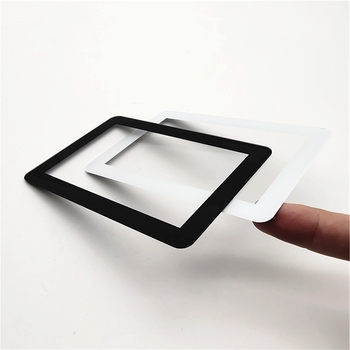
Retail POS & kiosk interfaces
Card reader windows, touch overlays and payment terminal covers need scratch resistance, clean print windows and optional anti-fingerprint treatment for high-touch surfaces.
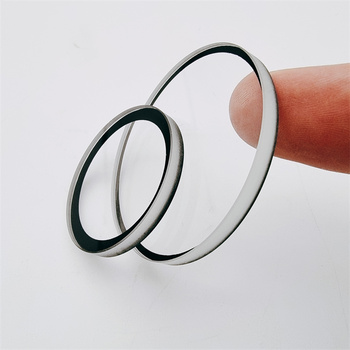
Hotel, café and retail lighting
Round covers with black borders and stepped edges help hide the assembly, reduce glare and keep luminaires visually consistent across a renovation project.
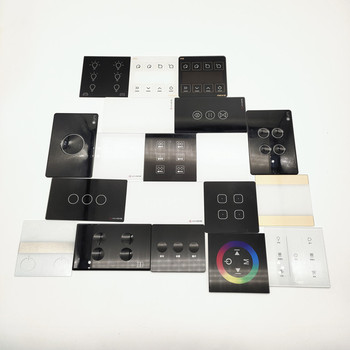
Smart-home and wall switches
Printed icons, transparent touch windows and anti-fingerprint coating make glass switch plates easier to clean and more consistent with modern interior design.
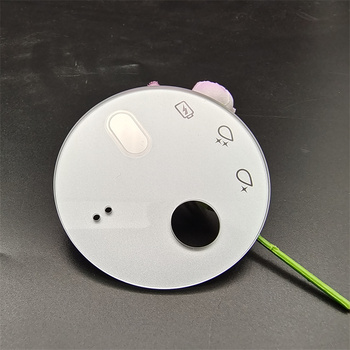
Appliance control panels
Central Java appliance assembly benefits from printed tempered glass that hides adhesives, frames indicator windows and survives daily cleaning around kitchens.
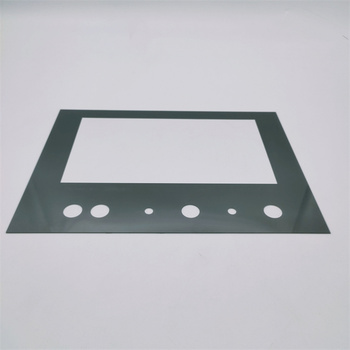
Electrical and industrial instruments
Display windows for meters, control boxes and equipment panels need optical clarity, drilled holes and print registration that matches the enclosure.

Outdoor signage and security devices
Coastal light and strong sun can wash out displays. Anti-glare treatment and a durable printed border help signage and camera covers stay readable and clean.
Localized trends shaping glass painting and printed glass procurement
Buyers in Semarang are not only comparing price per piece. They are comparing the cost of a failed assembly, a colour mismatch, a delayed sample and a damaged sea shipment. These practical concerns are changing how printed glass is specified.
1. Port-led batch planning
Tanjung Emas Port makes sea freight the natural route for production quantities. That encourages buyers to combine multiple product variants — for example, appliance panels, LED covers and switch glass — into one planned batch. The gain is lower freight cost per piece; the risk is mixing up similar-looking variants. Clear labels, variant-specific packing and an approved sample library are now part of serious procurement planning.
2. Touch-first product design
Smart switches, kiosks, POS terminals and control panels are moving toward flat glass interfaces. This increases demand for anti-fingerprint treatment, printed touch windows and edges that feel clean in the hand. Buyers who test only the glass outline, but not the printed window and coating, often discover the problem after assembly.
3. Hot-humid performance
Semarang’s coastal climate puts more emphasis on print adhesion, edge sealing and packing. A glass panel that looks acceptable in a dry showroom may show handling marks, edge chipping or print wear after repeated cleaning in a humid kitchen or hotel environment.
4. Smaller design iterations, faster feedback
Local brands and project buyers increasingly want to test a new icon set, a new border colour or a new step depth without committing to a large first order. A practical factory response is to separate sample approval from mass production, so the buyer can validate fit and appearance before scaling.
5. More documentation, less verbal specification
“Same as last time” is risky when a product has a transparent window, a printed icon and a stepped edge. Semarang buyers are moving toward drawing-based RFQs with colour codes, thickness, coating, hole positions, packing method and target port. This reduces disputes and makes reorders faster.
6. Localized visual language
Product labels, icons and control symbols may need to match Indonesian-language packaging or local user expectations. The safest approach is to approve vector artwork with fonts outlined, then confirm legibility at the actual viewing distance rather than on a computer screen.
Match the glass construction to the Semarang use case
Use this matrix as an RFQ starting point. Final thickness, coating stack and printing method should always be confirmed by sample testing.
| Semarang use case | Recommended construction | Why it works | Specification to lock |
|---|---|---|---|
| Outdoor kiosk or signage window | 2–4 mm tempered glass + AG + optional AF | Diffuses strong daylight and keeps fingerprints easier to clean | Haze level, print colour, viewing distance, mounting method |
| Touch control panel | 0.5–3 mm low-iron tempered or chemically strengthened glass + AF | Clear colour, smooth touch and fewer smudges | Surface hardness, coating area, hole tolerance, edge finish |
| Appliance front panel | 2–5 mm tempered glass + silk or ceramic print + holes | Hides adhesive and circuitry while framing indicator windows | Pantone code, window size, hole positions, cleaning resistance |
| LED luminaire cover | 2–4 mm ultra clear or frosted glass + step edge + print | Controlled light diffusion and a clean fixture fit | Step depth, border width, light transmission, edge polish |
| Industrial instrument window | 1–6 mm tempered glass + AR + printed border | Improves contrast while protecting the display module | Reflectance target, display size, sealing method, hole clearance |
| Card reader or POS cover | 1–3 mm printed tempered glass + drilled aperture | Protects the reader and presents a branded interface | Aperture position, print opacity, edge quality, adhesive area |
Information gain for buyers: include the cleaning chemical, maximum operating temperature, drop or impact requirement and packing method in the RFQ. These details often change the recommended glass more than a simple thickness request does.



Why Semarang buyers shortlist Dongguan Jaswe Glass
Jaswe is a glass processing company in Dongguan, China, serving display, touch panel, LED lighting, switch, appliance and electrical equipment applications. The advantage is not one machine or one coating. It is the ability to keep cutting, CNC shaping, edge polishing, hole drilling, tempering, silk-screen printing, ceramic printing, AG processing and AR / AF coating under one quality system.
For a Semarang buyer, that means fewer hand-offs between suppliers when a part needs a printed window, a stepped edge and a protective coating. It also means the factory can review the drawing as a production part, not just as a glass sheet.
One-roof processing
Cutting, CNC, edging, drilling, tempering, printing, AG and AR / AF coating stay inside one production route.
Print and coating experience
Multi-colour logos, icons, borders, transparent windows and optical treatments are reviewed together.
Repeatable volume
More than 80 workers and 26 machines support production quantities above 200,000 pieces per month.
Export communication
Drawing-based quotations, sample approval, inspection records and export packing for overseas assembly lines.
Questions Semarang buyers ask before placing a custom glass order
These answers reflect the practical points that usually decide whether a printed glass project runs smoothly from Dongguan to Semarang.
Can you supply directly to Semarang if we do not have a Chinese import licence?
Jaswe can quote under agreed Incoterms and work with the forwarder or importer of record nominated by the buyer. The buyer should confirm Indonesian import licensing, HS classification, duties, taxes and port charges with a local customs broker before shipment. We do not replace the buyer’s import compliance advice.
What is the minimum order quantity for printed tempered glass?
Most custom items start at 100–500 pieces, depending on size, printing colours, coating, hole quantity and packing method. Standard clear tempered pieces may be available in smaller sample quantities for evaluation. For mixed Semarang orders, the MOQ can be discussed by item family rather than by a single SKU.
How do we approve colour and print quality before mass production?
Send vector artwork, Pantone or RAL references, transparent-window dimensions and a sample photo of the target appearance. For critical projects, approve a physical sample under the same lighting condition used in your factory or showroom. Fonts should be outlined, and small icon details should be checked at the real viewing distance.
Can you make the glass fit an existing housing without a new mould?
Yes, if the drawing shows the critical dimensions: outline, step depth, corner radius, hole position, window size and tolerance. When only a physical sample is available, we can review it and recommend how to convert it into a production drawing. A 3D scan or precise calliper drawing reduces fit risk.
Which thickness should we choose for a display window or control panel?
Our range covers 0.2–19 mm, with common display and touch thicknesses at 0.5, 0.7, 1, 2, 3 and 4 mm. Appliance and lighting covers often use 2–5 mm. The final choice depends on span, mounting, impact risk, edge type, coating and the assembly method — not thickness alone.
How should glass be packed for sea freight to Tanjung Emas?
Export packing should protect edges, separate printed faces, prevent movement inside the carton and keep variants identifiable. For mixed orders, label each carton by part number and revision. Buyers should specify pallet or carton preference, maximum carton weight and whether the container will be consolidated with other suppliers.
Is AR, AG or AF coating suitable for humid coastal conditions?
The right coating stack depends on the surface being cleaned, the light source and the touch frequency. AG reduces glare; AR improves contrast and transmission; AF makes fingerprints easier to remove. For coastal or outdoor projects, combine the coating choice with a sample cleaning test and a clear packing specification.
What information should be in the first RFQ?
Send the drawing (DXF, DWG or PDF), thickness, glass type, edge finish, hole and step dimensions, printing colours, coating requirement, application, estimated annual quantity, target port and any packing or inspection requirement. Our engineers can then review manufacturability before a sample is made.
Get a Semarang-ready quotation from the factory
Share your drawing and annual quantity. We will review the glass construction, printing method, edge design, coating requirement and export packing before you commit to tooling or production.