Top Trusted Microwave Glass Suppliers & Exporters in Germany
Direct-from-factory tempered glass for microwave door windows, touch control panels, LED light covers, display windows and decorative black glass — engineered for German appliance OEMs, importers and after-sales teams.
Eight Microwave-Grade Glass Products for German Buyers
These eight custom glass products are directly relevant to microwave appliance structures, display windows, control interfaces, interior lighting covers and decorative / functional black glass assemblies. Every item is made to drawing, so thickness, outline, holes, edge finish, printing and coating can be reviewed against the final appliance design before sampling.
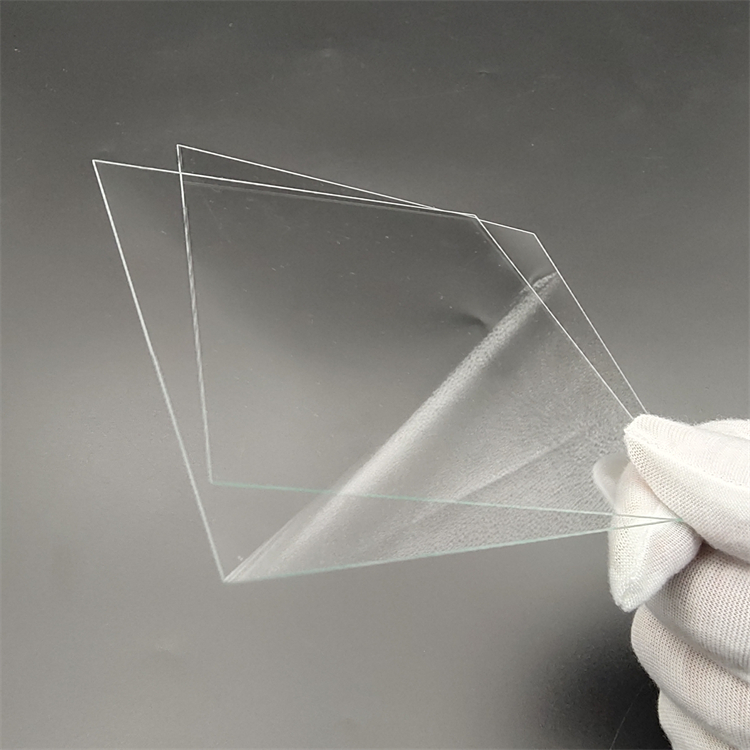
Customized Ultra Clear 0.5 mm 0.7 mm Ultra Thin Tempered Glass
Useful for slim microwave control windows, touch key covers and small display apertures where optical clarity and dimensional consistency matter.
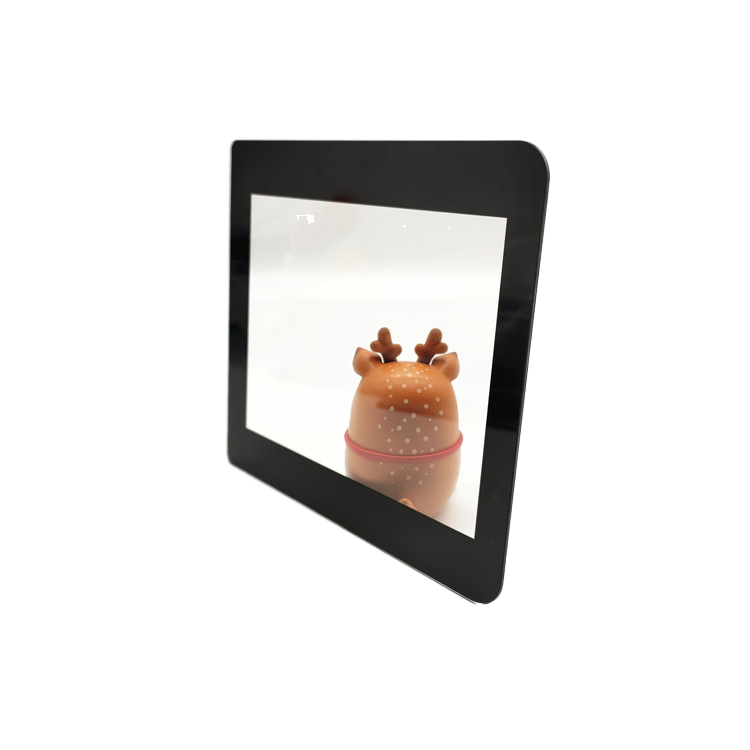
Industrial Use Electronic Glass 1 mm / 2 mm / 3 mm / 4 mm Tempered Glass Display Screen Window Protection Cover
A strong fit for microwave HMI windows, electronic timers, appliance display covers and protection glass for control electronics.

Customized Small Size 3 mm 4 mm 5 mm 6 mm Beveled Edge Tempered Glass
Designed for small appliance windows, trim glass and compact microwave interface panels where edge appearance and safe handling are important.
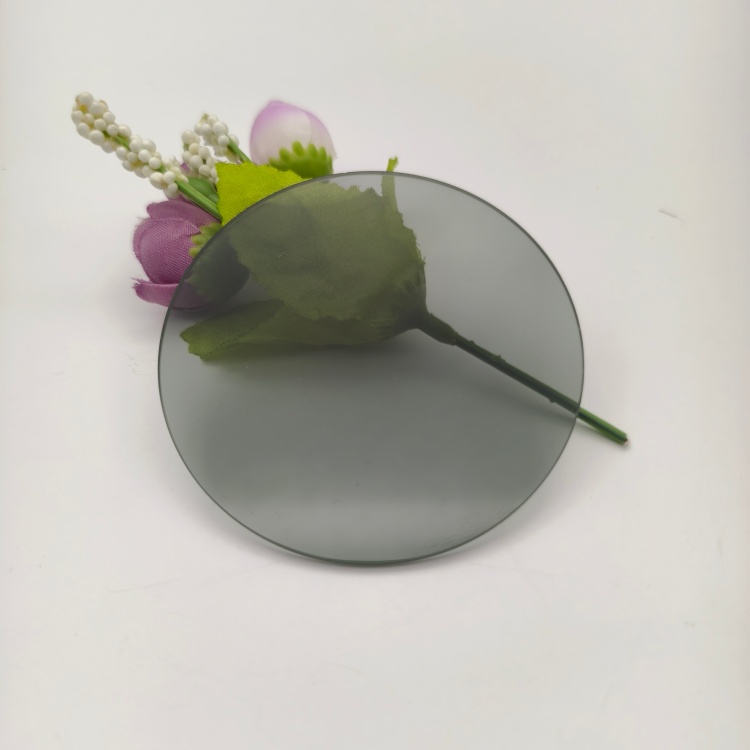
Factory Customized High Strength 2 mm 3 mm 4 mm 5 mm Tempered Black Glass Bulletproof & Decorative Flat Surface
For dark appliance front panels, hidden-print windows and black glass design details that need a clean surface and reliable strength.
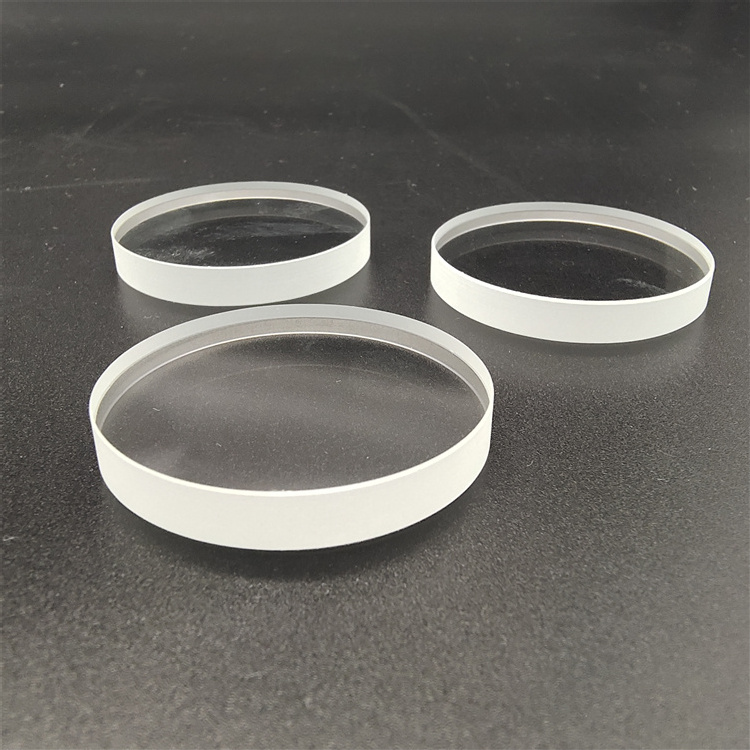
Full Tempered 30 mm Diameter 3 mm 4 mm 5 mm 6 mm 8 mm Thickness Ultra Clear Round Tempered Glass
Circular clear glass for light covers, viewing windows and appliance subassemblies where a balanced round edge and clear appearance are required.

Small Size Ultra Thin 0.5 mm 0.7 mm 1 mm Tempered Glass Panel With Adhesive Tape for Screen Protection
Adhesive-backed cover glass can simplify assembly for display protection, touch panels and small appliance control windows.
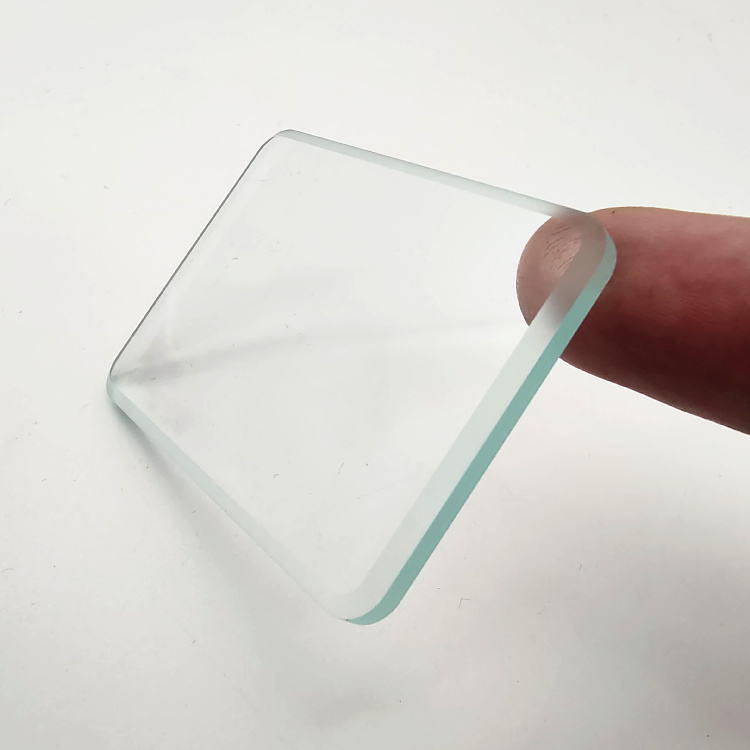
Custom Small Dimensions Tempered Beveled Edge Glass for Sale
For compact appliance glass pieces where small dimensions, beveled edges and repeatable fit are more important than large-format processing.
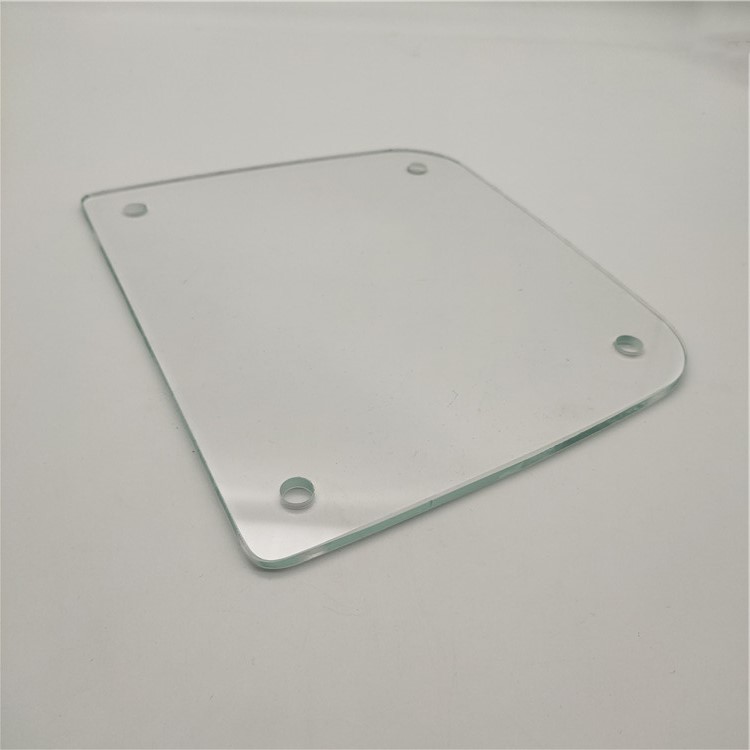
Ultra Clear Tempered Glass Customized Design with Cut Holes for LED Light Cover
Suitable for microwave interior light covers, LED fixture windows and small clear glass components that require drilled holes and clean optical transmission.
Export Capability at a Glance
German buyers usually need more than a product photo. They need a supplier whose processing steps, response rhythm and repeatable output can be verified before the first mass-production order.
What “Microwave Glass” Actually Means in German B2B Procurement
“Microwave glass” is not one single product category. In appliance procurement, the phrase can refer to a tempered viewing window, a printed outer door panel, a control-panel cover glass, an interior LED light cover, a display window for a digital timer, or a small replacement glass part for after-sales service. Each application places a different priority on thermal shock resistance, edge quality, optical transmission, print registration, dielectric behavior, dimensional stability, scratch resistance and assembly tolerance.
A trustworthy supplier therefore should not simply quote a thickness. It should ask where the glass sits in the appliance, how it is fixed, whether it is printed, whether the glass is in the user’s field of view, what cleaning chemicals may be used, how the part is packed and what documentation the German buyer needs for incoming inspection. This is where information gain in the RFQ stage becomes commercially valuable: a clear engineering review can prevent a low-cost sample from becoming an expensive production issue.
For microwave-related glass, the most common custom options include 0.5 mm, 0.7 mm, 1 mm, 2 mm, 3 mm and 4 mm thicknesses, with larger thicknesses considered only after application review. Silk-screen or ceramic printing can create black borders, icon windows and concealed adhesive zones. AR coating can raise display contrast, AG treatment can reduce glare in bright kitchens, and AF coating can make touch interfaces easier to clean. Round holes, notches, polished edges and adhesive tape can all be added, but the design should be reviewed as an assembly rather than as a loose piece of glass.



German-Localized Application Scenarios for Microwave Glass
Germany’s appliance and kitchen-electronics market rewards suppliers who understand how glass is used in real assemblies: built-in ovens, compact microwave units, smart kitchen controls, laboratory equipment and after-sales replacement programs.
Microwave Door Window & Viewing Panel
Printed glass windows can frame the cavity view while hiding adhesive and mounting zones. The supplier must control edge quality, print alignment and flatness so the door assembly seals and closes consistently.
Touch Control Panels & Display Windows
German smart-kitchen products increasingly use black glass interfaces with icon windows, capacitive touch areas and digital displays. Silk printing, anti-fingerprint coating and dimensional accuracy become part of the user experience.
Interior LED Light Covers
Clear glass covers protect LEDs and diffuse light while maintaining a clean cavity appearance. Cut holes, ultra-clear low-iron glass and edge polishing are common requirements for repeat production.
Black Decorative Front Panels
High-strength black tempered glass can support premium appliance branding, uniform black surfaces and hidden-print effects. Buyers should specify gloss level, color target and print coverage precisely.
Industrial & Laboratory Microwave Equipment
Industrial microwave or laboratory equipment may use smaller display windows, sensor covers and protective glass. These projects often need drawing-based review more than standard catalogue selection.
After-Sales Replacement Parts
German after-sales teams often need small batches of discontinued glass parts. Small-size custom tempered glass and adhesive-backed panels can support repair and refurbishment programs when drawings or samples are available.
Germany-Specific Trends Reshaping Microwave Glass Procurement
The winning suppliers for German appliance buyers are not necessarily the loudest marketers. They are the ones that can connect product design, manufacturing tolerance, documentation and repeat supply into one clear workflow.
Higher Optical Expectations
Premium kitchen appliances make smudges, green edges and uneven light transmission more visible. Ultra-clear glass, AR coating, AG treatment and AF coating are increasingly discussed at the sample stage.
Smart Kitchen Interfaces
Touch panels, hidden displays and printed black glass are moving from high-end appliances into broader product lines. This increases demand for precise printing, clean windows and repeatable hole positions.
Documentation Transparency
German buyers often ask for material declarations, dimensional reports, inspection records and RoHS / REACH-related information during qualification. Raising document needs early avoids delays after sampling.
Supply-Chain Resilience
Direct factory communication, stable packing standards and clear lead-time expectations matter as much as unit price. Reorder performance and response rate are useful signals during supplier shortlisting.
Inside the Export Factory Behind the Supply
Dongguan Jaswe Glass Co., Ltd. is a custom glass processing company based in Dongguan, Guangdong, China, with export experience across America, Europe and Asia. The company processes tempered glass, ultra-clear glass, silk-screen printed glass, display cover glass, touch screen glass, switch glass, LED lighting glass and AR / AG / AF coated glass for appliance, electronics and lighting applications.
For microwave glass projects, the practical value of this manufacturing profile is process control. Cutting, CNC shaping, edge polishing, hole drilling, tempering, silk-screen or ceramic printing, AG processing and AR / AF coating can be coordinated under one roof. That reduces the coordination risk that appears when a printed glass cover is cut by one supplier, coated by another and packed by a third party.
“Scientific management, careful manufacture, high quality service, striving for excellence.”
German buyers should read these facts as qualification inputs, not automatic approval. The correct next step is to match the factory’s process capability to the drawing, test the sample against the appliance assembly and confirm packaging, documentation and Incoterms before serial production.
Eight Processes That Reduce Supplier Handoffs
Keeping critical steps under one roof is useful for microwave glass because the part is usually small, visible and assembled into another component. A small deviation in a hole, edge or printed window can stop a production line.
CNC & Precision Cutting
Rounds, notches, slots and irregular outlines for appliance windows and control covers.
Edge Polishing
Flat, pencil, beveled, stepped and matte edges for safe handling and clean installation.
Hole Drilling
Holes and cut-outs for sensors, buttons, screws, lighting and mounting hardware.
Tempering
Strengthens glass for appliance use and creates safer breakage behavior when specified.
Silk Screen & Ceramic Printing
Black borders, icons, transparent windows and brand colors with color matching support.
AG Anti-Glare Processing
Diffuses glare so displays and printed interfaces remain readable under kitchen lighting.
AR Anti-Reflective Coating
Lowers surface reflection and increases transmitted light for clearer display windows.
AF Anti-Fingerprint Coating
Oleophobic surface treatment for touch interfaces that should stay cleaner and easier to wipe.
AR, AG, AF, Ultra Clear or Printed? A Practical Selection Matrix
Treatments are not interchangeable. German appliance teams should define the visual problem first, then choose the glass and coating combination that solves it without adding unnecessary cost.
Ultra Clear Low-Iron Glass
Reduces the green tint of standard float glass and improves true color reproduction. Common for premium viewing windows, LED covers and white or light-colored appliance panels. Pair it with careful print color approval if the edge is visible.
AR Anti-Reflective Coating
Best when display contrast and light transmission are the priority. Medical, industrial and premium kitchen displays may benefit from single- or double-sided AR. Double-sided coating usually gives a stronger visual improvement but should be tested with the display module.
AG Anti-Glare Treatment
Best when bright kitchen lighting or window reflections distract from the interface. AG diffuses reflected light, but haze level must be matched to viewing distance and display resolution. Too much haze can soften fine icons.
AF Anti-Fingerprint Coating
Best for touch-heavy control panels and smart appliance interfaces. AF helps resist smudges and makes cleaning easier. For best results, specify it as a final surface treatment over the selected base glass or AR / AG stack.
Silk-Screen or Ceramic Printed Glass
Best when the glass needs brand graphics, icon windows, black masking, adhesive hiding or a framed viewing area. Provide Pantone references, print coverage and transparent window dimensions with the drawing.
Adhesive-Backed Cover Glass
Best for compact display protection and assembly simplification. Adhesive selection, liner type and application process should be reviewed early, especially if the glass will be cleaned or exposed to heat during assembly.
German Procurement Checklist Before Approving a Microwave Glass Sample
A strong price quotation is not a qualification. Before a German buyer approves a sample for microwave-related glass, the following commercial and engineering questions should be answered clearly.
Drawing & Fit Review
Confirm DXF, DWG or PDF dimensions, edge type, hole positions, print windows, thickness, flatness expectation and assembly tolerance. Review how the glass is fixed into the door, panel or housing.
Application Validation
Discuss thermal exposure, cleaning method, touch use, display brightness, indoor lighting and handling risk. A glass that works for a control panel may not be appropriate for a door window.
Documentation & Tests
Clarify material declarations, RoHS / REACH-related information, dimensional reports, visual inspection criteria and packaging approval requirements before the first shipment.
Logistics & Terms
Agree Incoterms, export carton protection, interleaving paper, pallet configuration, labeling and delivery milestone. For Germany, packaging standards and damage prevention are part of supplier reliability.
From Drawing to Delivery: A Six-Step Path for German Buyers
The most efficient custom glass projects share the same pattern: engineering clarity before sampling, sample validation before production, and packaging approval before shipment.
Send the Drawing
Share the drawing, target thickness, edge finish, print colors, coating requirement, adhesive needs, application and estimated annual volume.
Engineering Review
The factory reviews manufacturability, tooling or CNC route, print feasibility, tempering limits and risk points before quotation confirmation.
Sample Approval
Physical samples are checked for fit, visual appearance, print color, optical behavior and assembly compatibility. German buyers should approve with a written checklist.
Mass Production
Production follows the approved sample and drawing, with inspection at cutting, edging, drilling, printing, coating and final packing stages.
Packing Control
Edge protection, interleaving, carton strength, labeling and pallet arrangement are reviewed for export transit and German receiving requirements.
Repeat Supply
Keep approved drawings, print files, packaging specifications and inspection criteria on file to support reorders and after-sales batches.
FAQs German Procurement Teams Ask About Microwave Glass Supply
These are the questions that usually determine whether a supplier can move from an inquiry to a qualified sample.
Can you supply microwave glass from China to Germany?
Yes. Dongguan Jaswe Glass is a China-based custom glass processor and exporter serving Europe, America and Asia. For German buyers, the practical discussion should cover drawings, sample approval, packaging, Incoterms, documentation expectations and production lead time before the order is placed.
What thickness is suitable for microwave control panels or display windows?
Common request thicknesses include 0.5 mm, 0.7 mm, 1 mm, 2 mm, 3 mm and 4 mm, depending on the appliance design. A thin glass may suit a protected display window, while a larger or more exposed panel may need a different specification. The final thickness should be reviewed against assembly, impact risk, printing and coating requirements.
Can you print black borders, icons and transparent display windows?
Yes. Silk-screen printing and ceramic printing can be used for black borders, icons, brand graphics, transparent windows and adhesive masking. German buyers should provide print color references, the transparent window dimensions and the desired surface finish so the sample can be evaluated correctly.
How do you handle RoHS, REACH or material documentation requests?
Documentation requirements should be stated during the RFQ. The supplier can then confirm what material declarations, reports, inspection records or drawings are available for the specific glass, printing ink, coating or adhesive construction. Do not assume that every product configuration carries the same documentation; define the requirement before sampling.
What is the minimum order quantity for custom microwave glass?
Most custom items are discussed from 100 to 500 pieces, but MOQ depends on size, printing, coating, adhesive tape and the amount of new tooling or programming. Standard clear tempered pieces may be available in smaller sample quantities for evaluation before a production order.
How should a German buyer start the RFQ?
Send a DXF, DWG or PDF drawing with thickness, outline, edge type, hole positions, print colors, coating requirement, application, estimated annual volume and any documentation target. Photos or physical samples of the existing glass also help. The supplier can then review manufacturability and recommend the next sampling step.
What Makes a Trusted Microwave Glass Exporter for Germany?
Trust should be built on verifiable capability, not generic claims. For German buyers, a reliable export partner shows clear drawings review, controlled in-house processing, consistent response, realistic lead times and packaging discipline.
Process Depth
Cutting, CNC, polishing, drilling, tempering, printing and coating under one roof reduce coordination gaps and unclear responsibility.
Engineering Communication
Fast technical replies matter more than sales slogans. A supplier that asks precise questions before quoting is usually safer.
Repeatable Output
Monthly output above 200,000 pieces and a 26% reorder rate indicate that buyers return for production, not only samples.
Documented Follow-Up
Approved samples, drawing versions, print references and packaging specifications should be stored and reused for future batches.
Have a Microwave Glass Drawing Ready? Get an Engineering Review.
Share the drawing, thickness, print colors, coating requirement, application and estimated annual volume. The review can help clarify manufacturability, sampling direction, packing considerations and the questions that should be resolved before mass production.